ICT Division

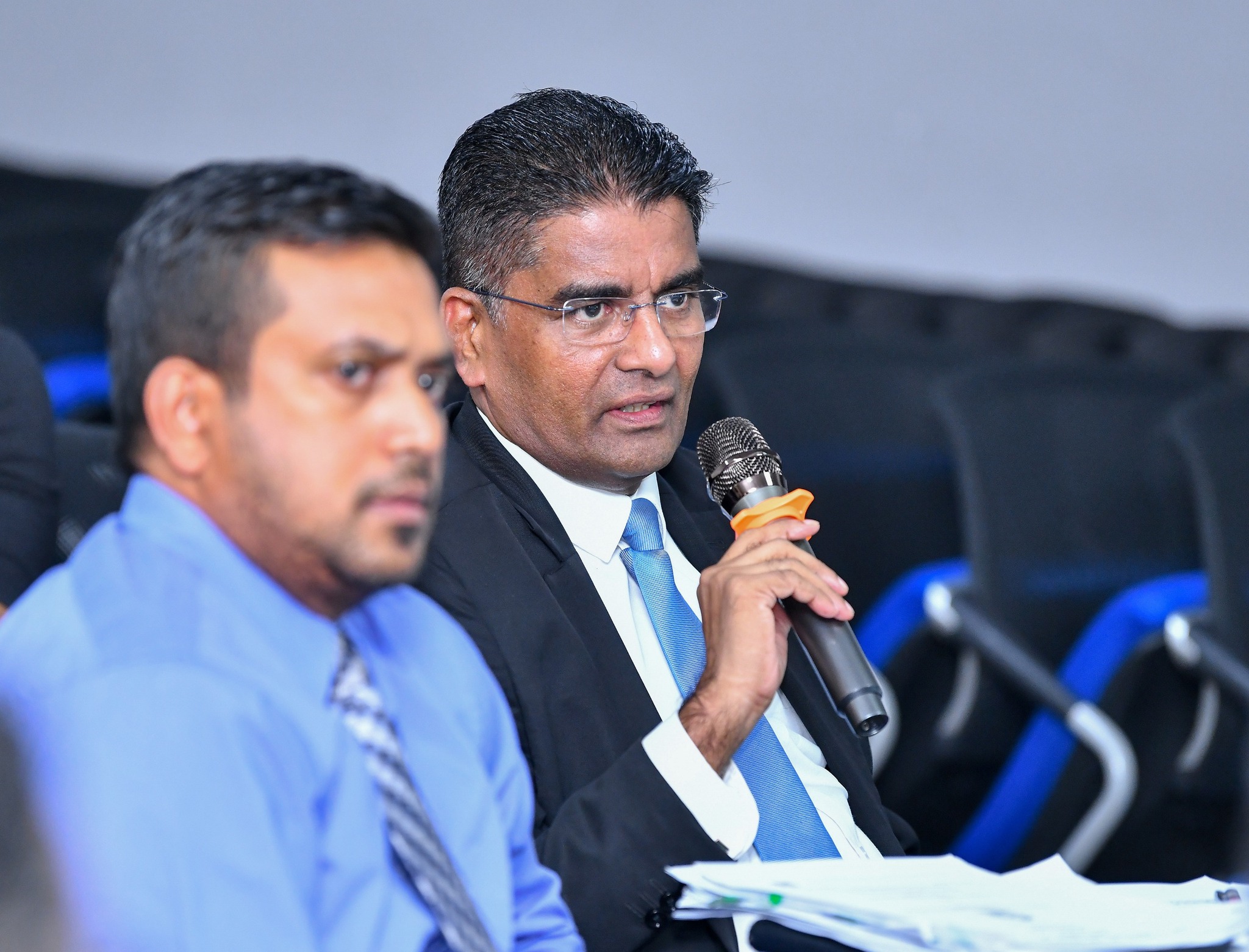
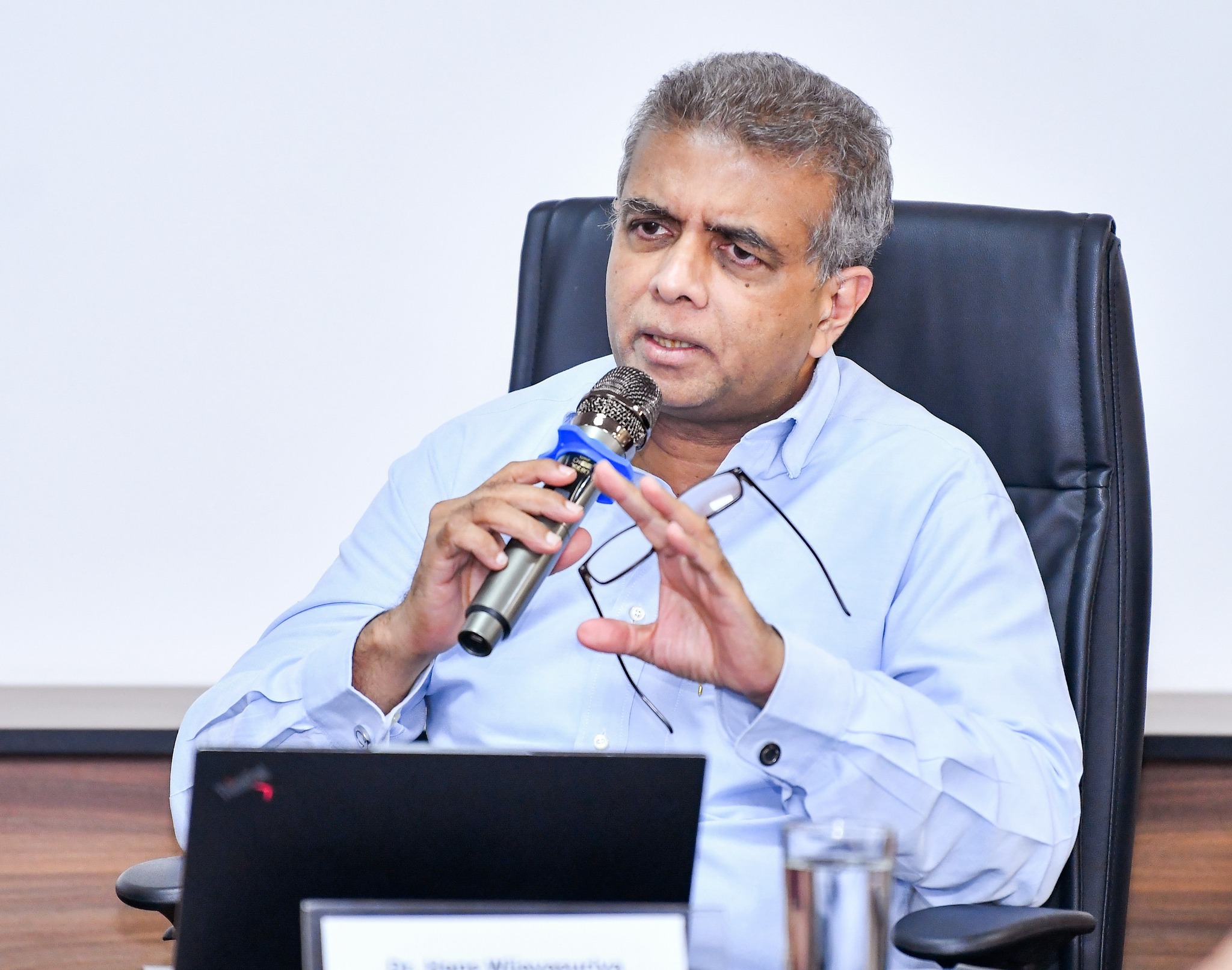
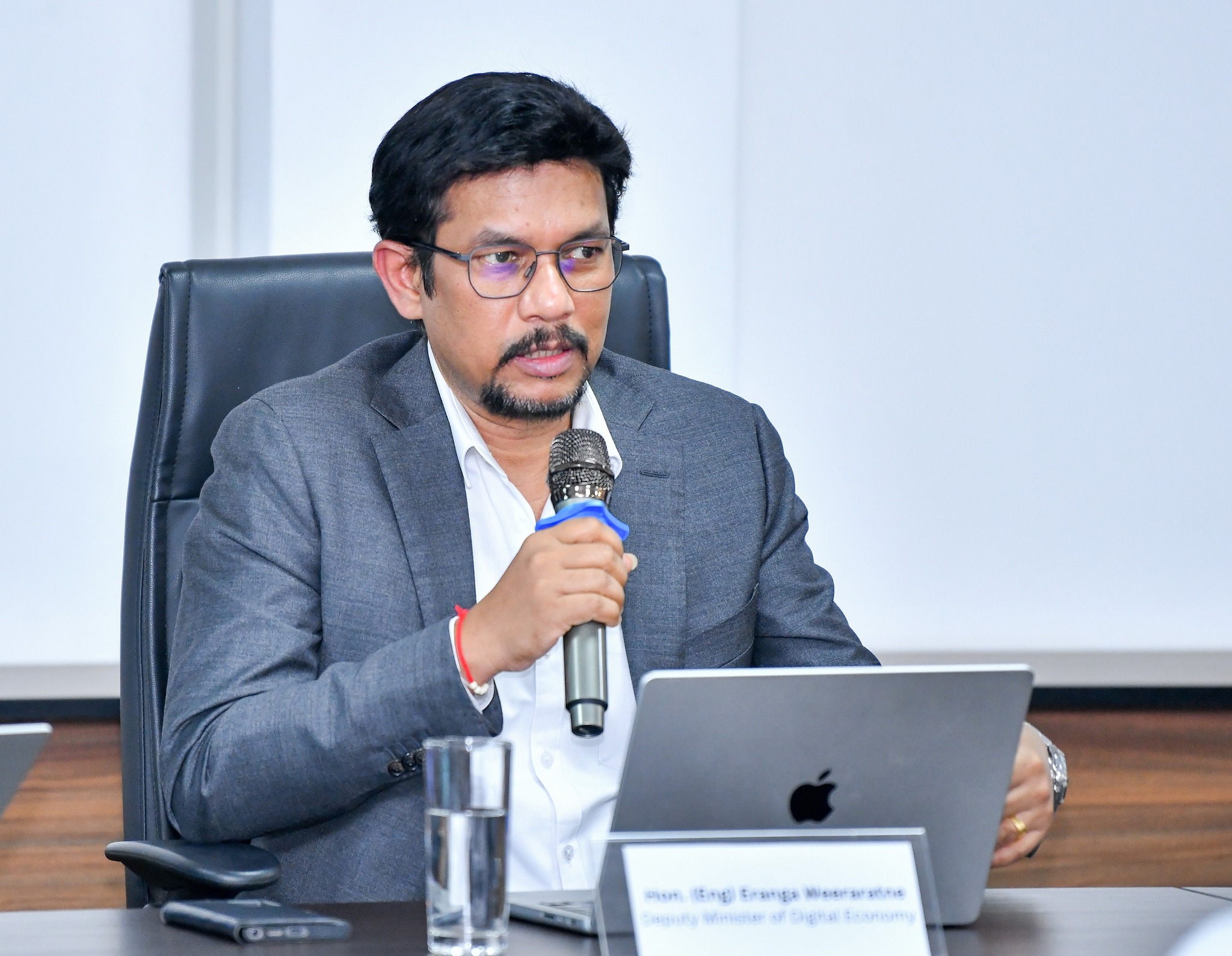
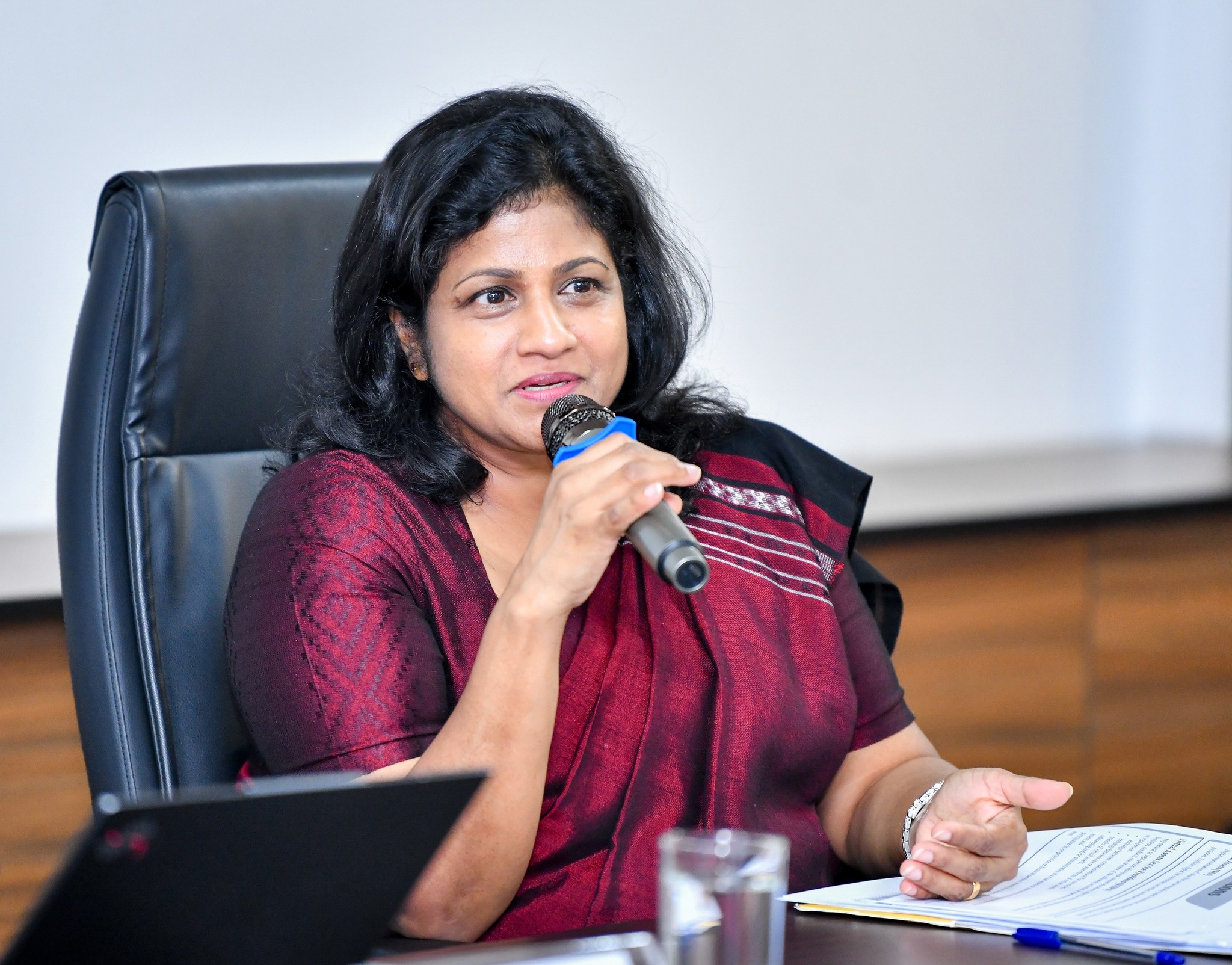
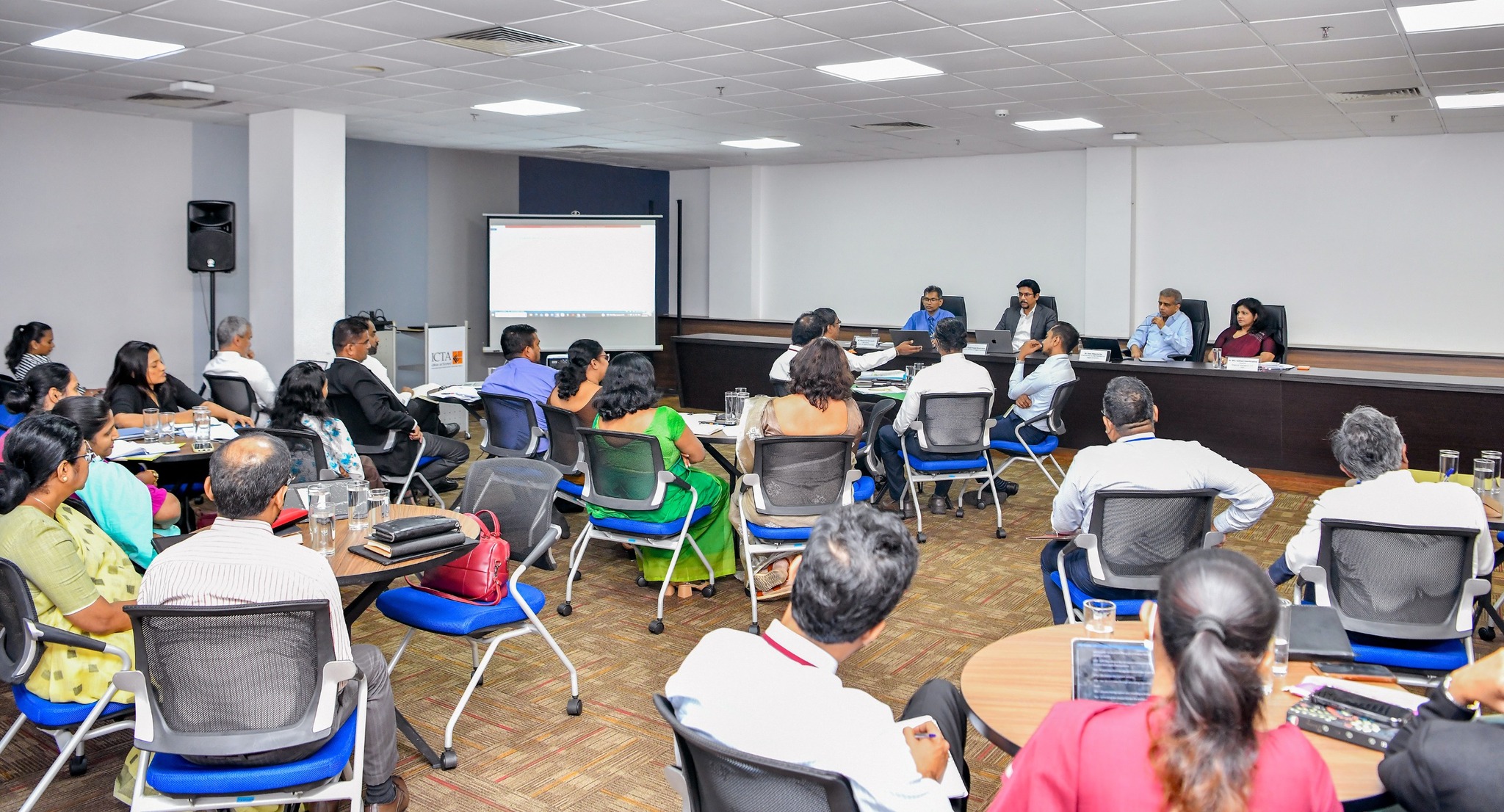
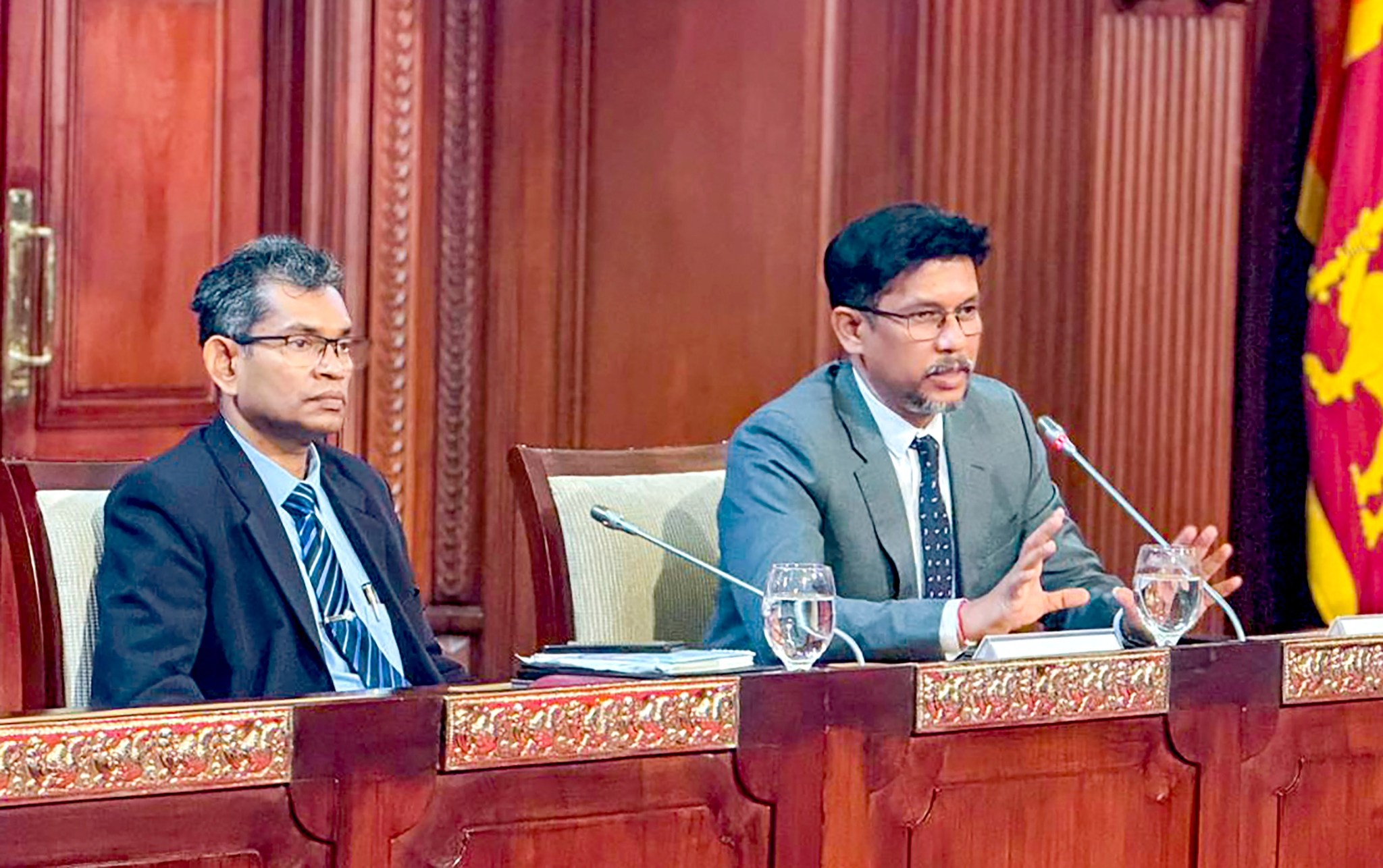
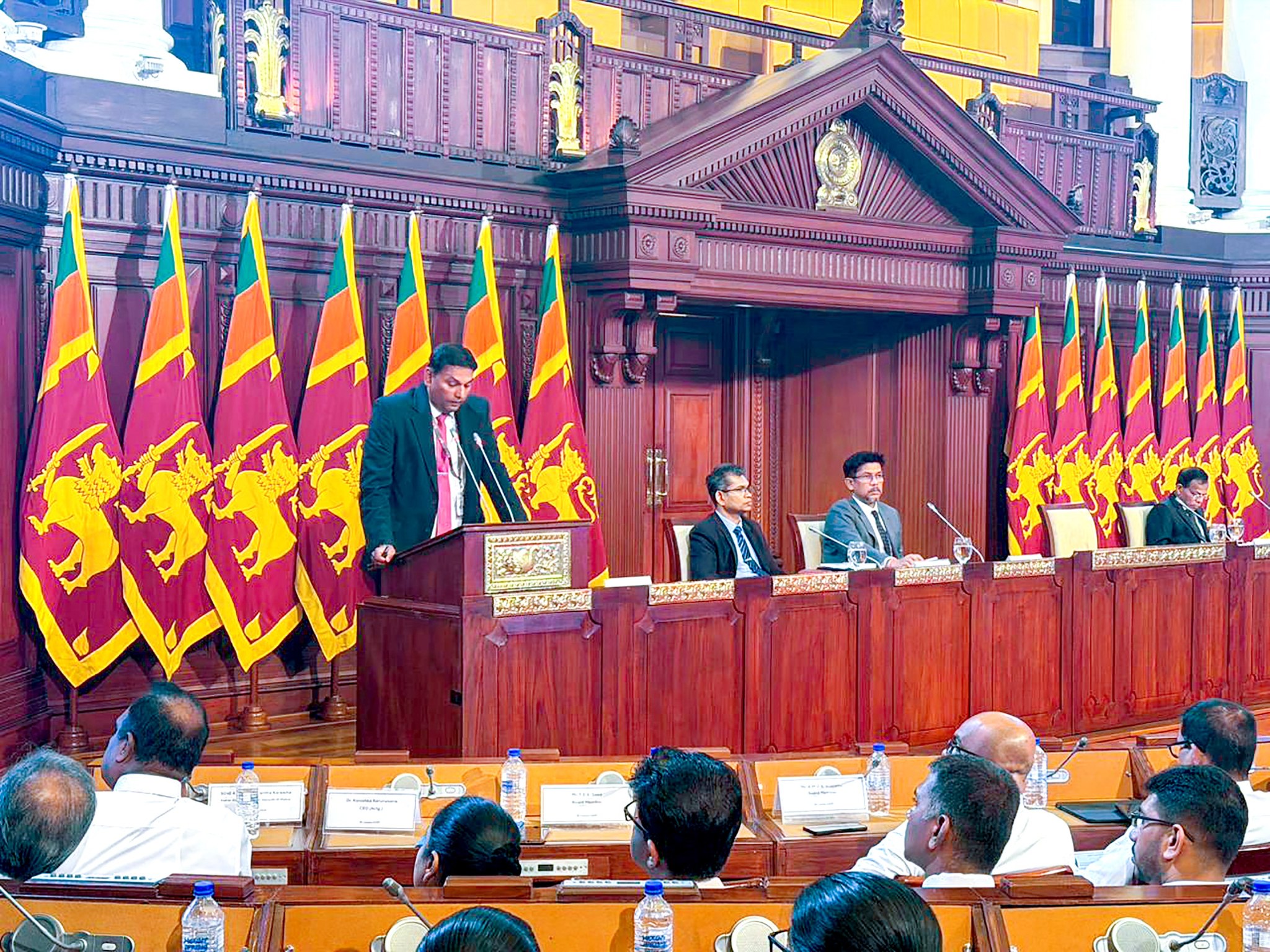
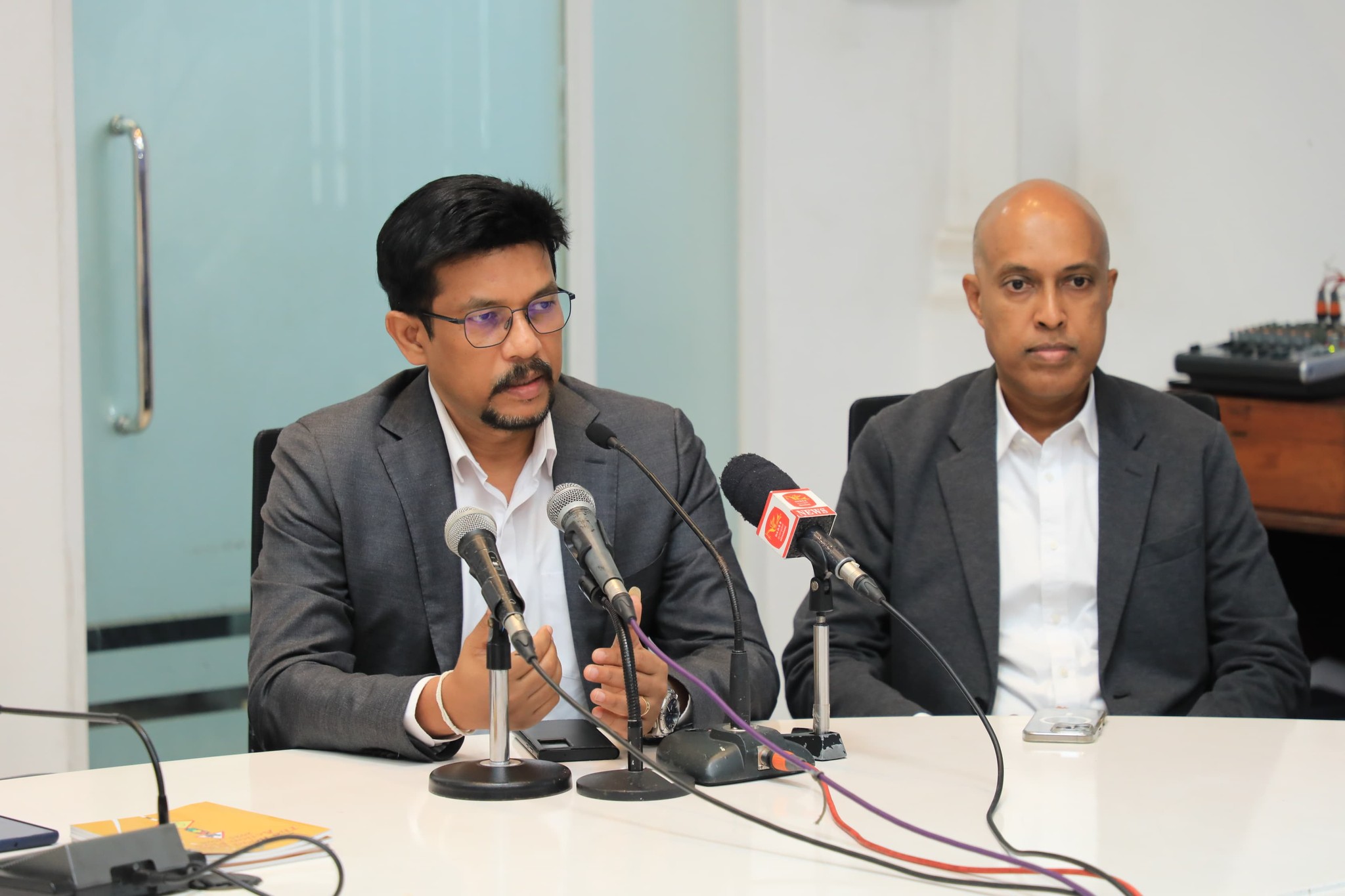
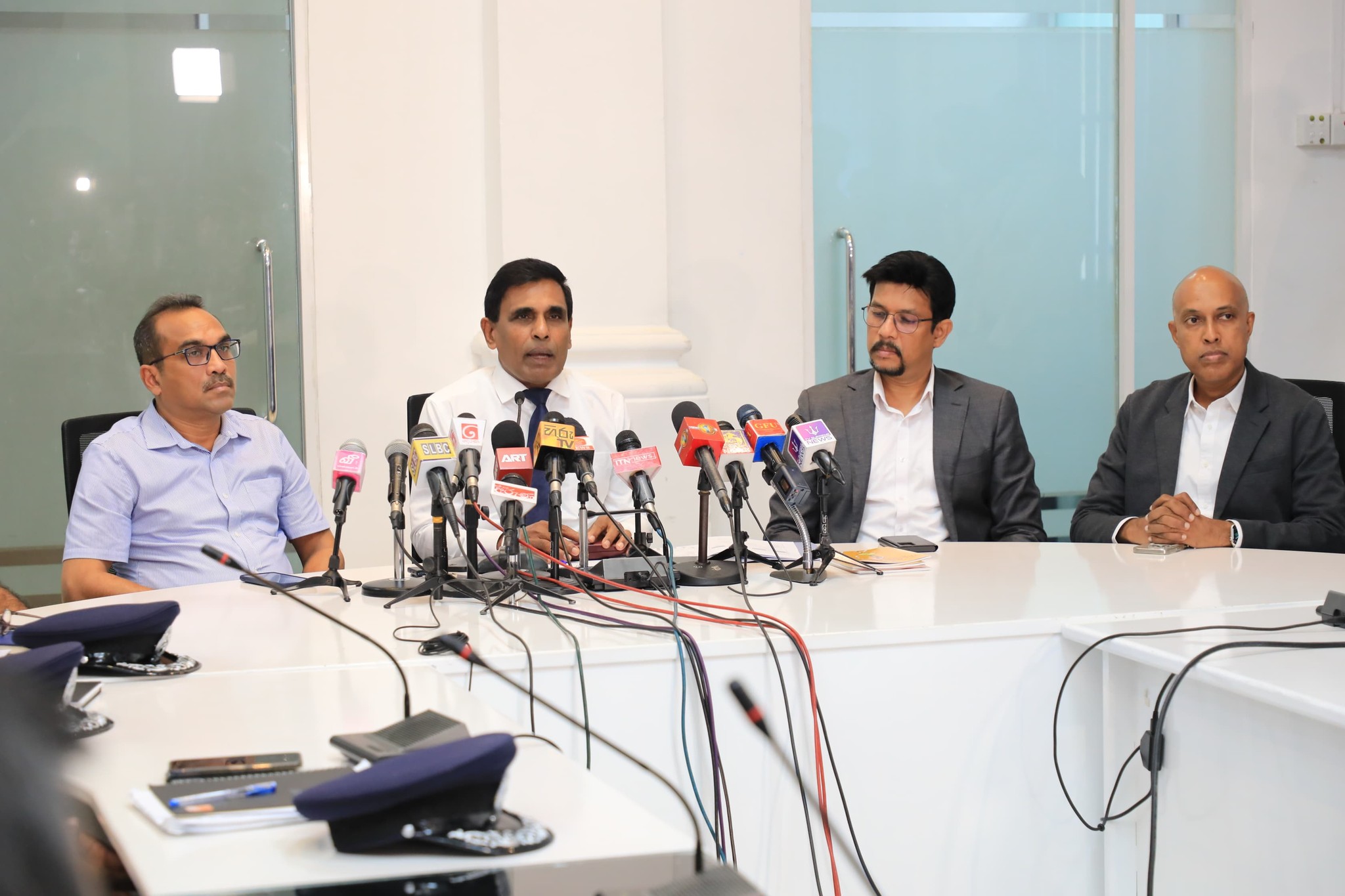
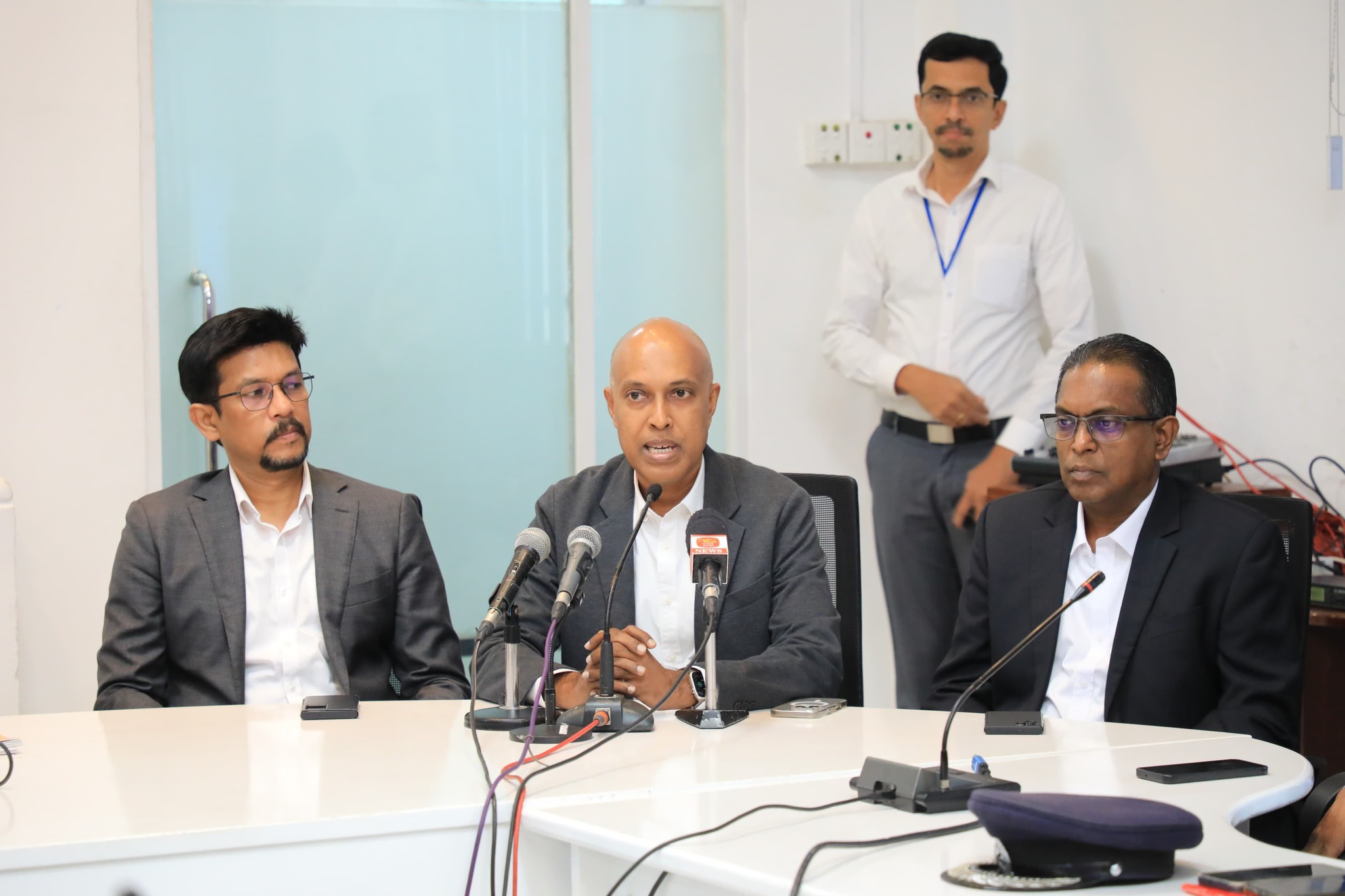
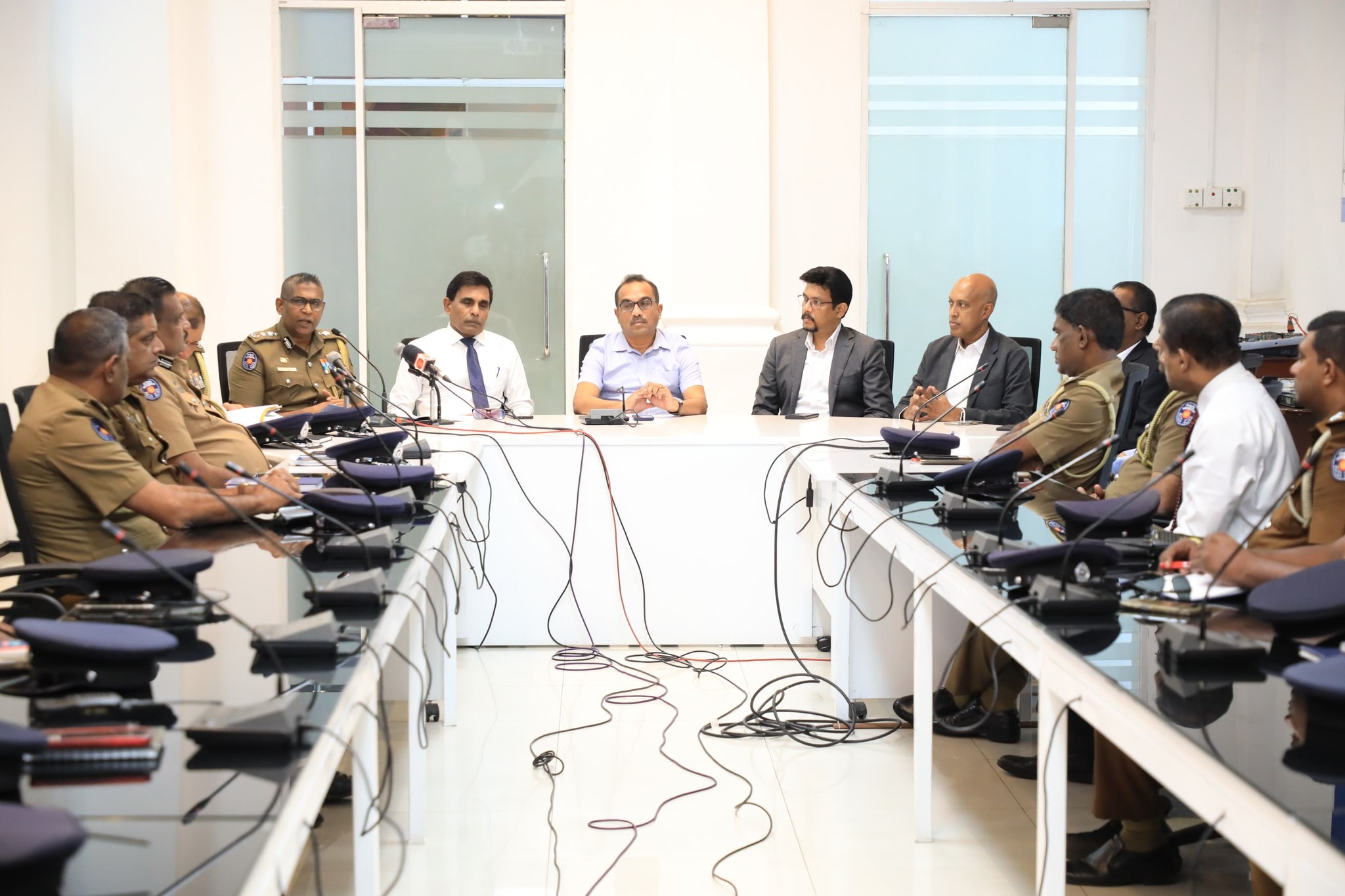
The 2nd Meeting of the VASP Sub-Committee was recently held successfully, bringing together key stakeholders to present and discuss observations on the draft concept paper for Sri Lanka’s Virtual Asset Service Providers (VASP) regulatory framework.

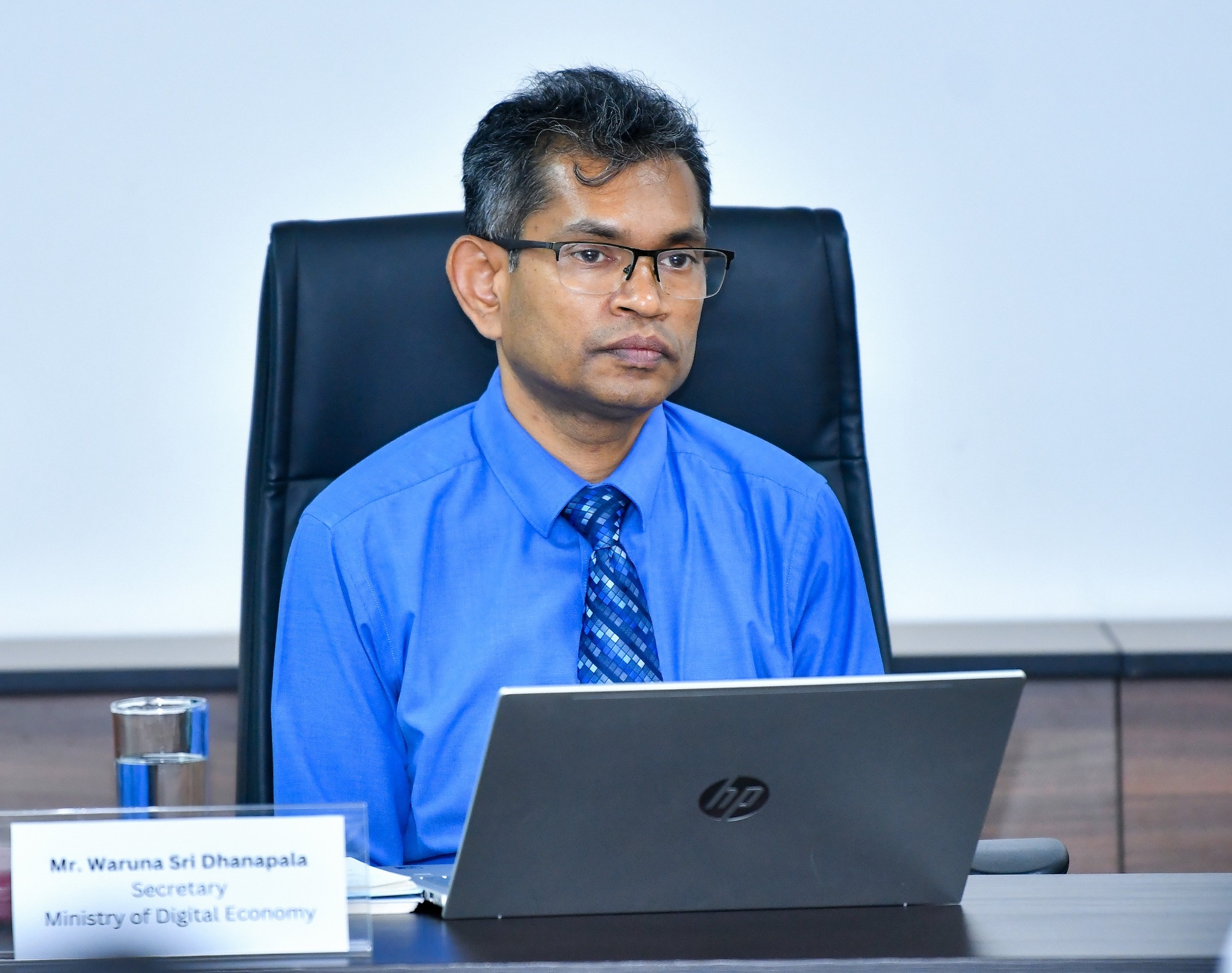
The session was chaired by Hon. Deputy Minister of Digital Economy Eng. Eranga Weeraratne, alongside Dr. Hans Wijayasuriya, Mr. Waruna Sri Dhanapala, and Dr. Subhani Keerthirathne, Director of the Financial Intelligence Unit (CBSL). A total of 28 members actively participated, sharing valuable insights and recommendations to further strengthen the concept paper initially presented at the previous session.

Following the discussions, the Committee agreed to work towards a consolidated paper, capturing the key observations and recommendations presented during the session.

The Hon. Deputy Minister also invited the Securities and Exchange Commission (SEC) and the Ministry of Digital Economy (MoDE) to work collaboratively in reviewing regulatory frameworks adopted by other jurisdictions, and to present their findings at the next meeting scheduled for April. In addition, the SEC was requested to outline potential challenges it may encounter in its role as the regulator, to support a more practical and effective implementation approach.

This meeting builds on the milestone presentation made on 12th February, where the Hon. Deputy Minister presented the proposed VASP Regulatory Framework to the main CFT Committee of the Central Bank of Sri Lanka (CBSL/FIU), marking a significant step in strengthening Sri Lanka’s AML/CFT regime in line with international standards.

The proposed framework reflects a collaborative, multi-stakeholder effort, incorporating expertise from both public and private sectors. Key highlights include:

  • Recommendations of the Multi-Stakeholder VASP Regulatory Committee
  • Findings from the national risk assessment on money laundering and terrorist financing risks in the virtual asset sector
  • A phased implementation roadmap through 2026/2027
  • Proposed compliance measures including registration, KYC/AML obligations, and reporting standards
image 01image 02image 03image 05image 04image 06

ICT Division

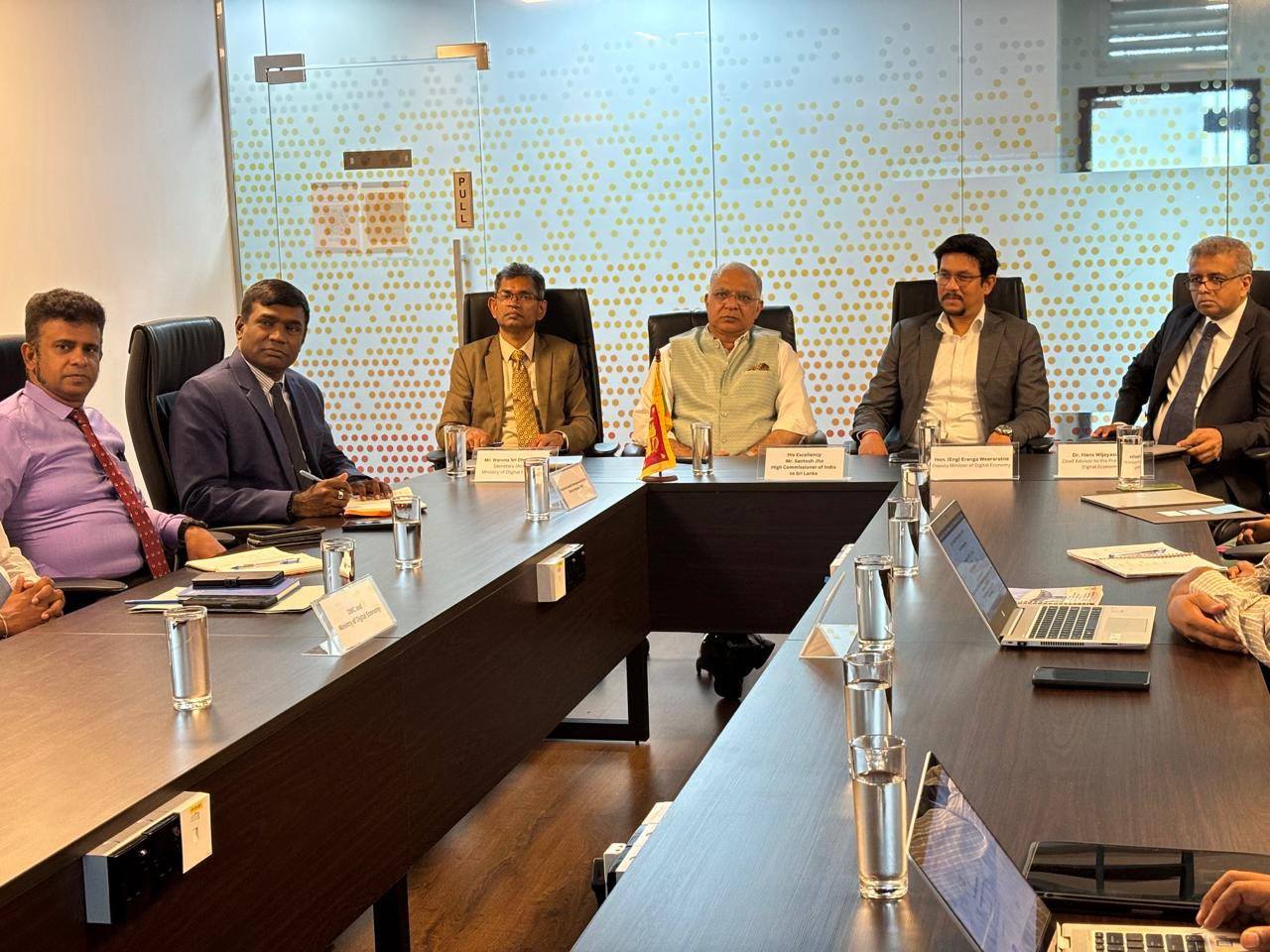
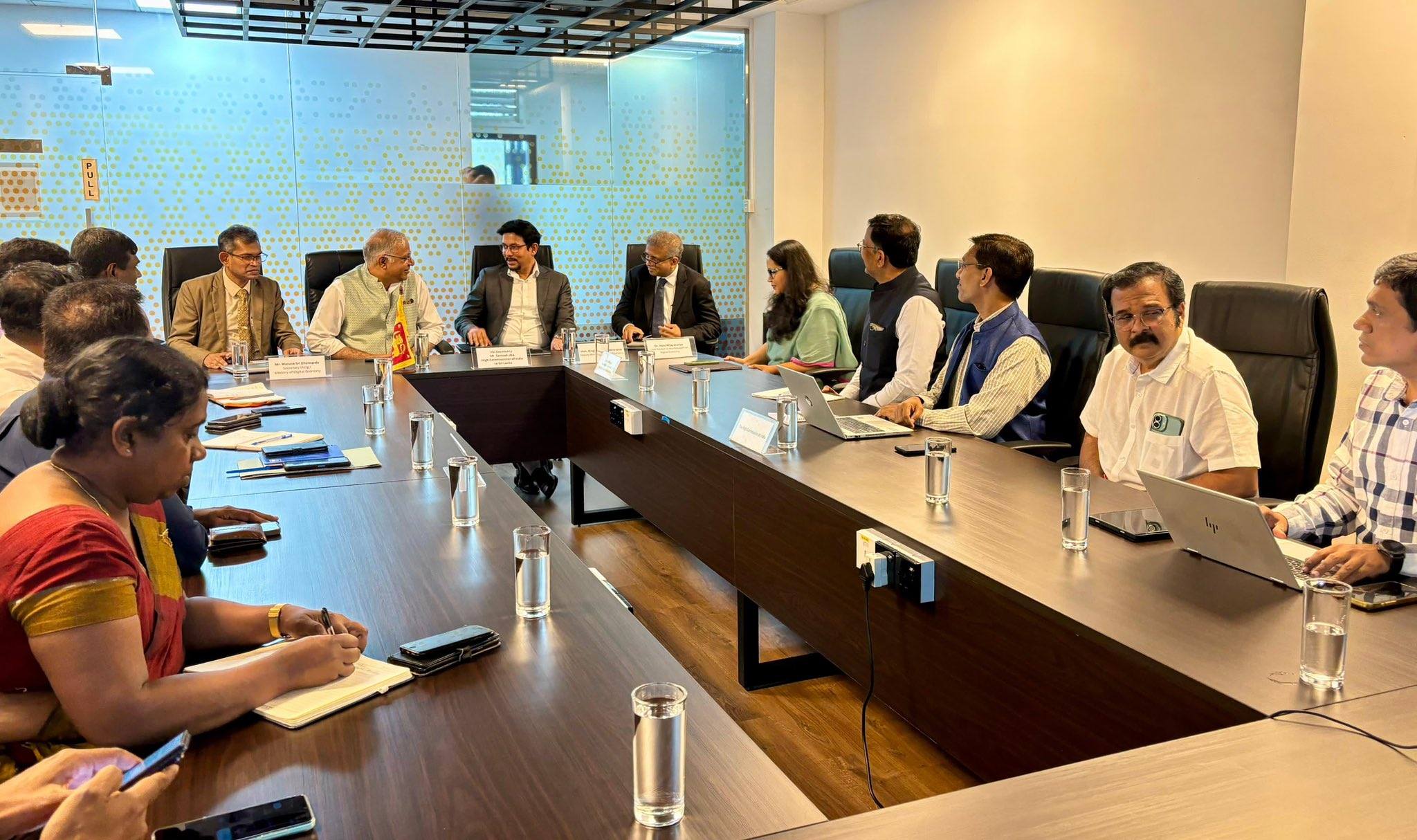
The Ministry of Digital Economy hosted a high-level meeting chaired by Hon. Eranga Weeraratne, Deputy Minister of Digital Economy, and Santosh Jha, High Commissioner of India to Sri Lanka, to focus on strengthening digital collaboration in disaster management. The session saw the participation of key figures, including Dr. Hans Wijayasuriya, Chief Advisor to the President on Digital Economy, and Mr. Waruna Sri Dhanapala, Secretary to the Ministry of Digital Economy, alongside senior officials from the Disaster Management Centre and other government representatives.

A key highlight of the meeting was the demonstration of the Disaster Impact Assessment Platform, developed by the Bhaskaracharya Institute of Space Applications & Geoinformatics (BISAG). This platform, supported by the Disaster Management Centre, the Ministry of Digital Economy, and GovTech Sri Lanka, showcased how advanced geospatial technologies can be integrated to significantly enhance Sri Lanka’s disaster preparedness, response, and mitigation efforts.

Furthermore, a Proof of Concept of the mobile broadcast Early Warning System (EWS), developed by India's premier telecommunications R&D center, C-DOT, was presented. The discussions underscored the vital role of innovative digital solutions and reaffirmed the commitment of both nations to foster a resilient, technology-driven disaster management framework through continued bilateral cooperation.

image 01image 02image 03image 05image 04image 06

ICT Division

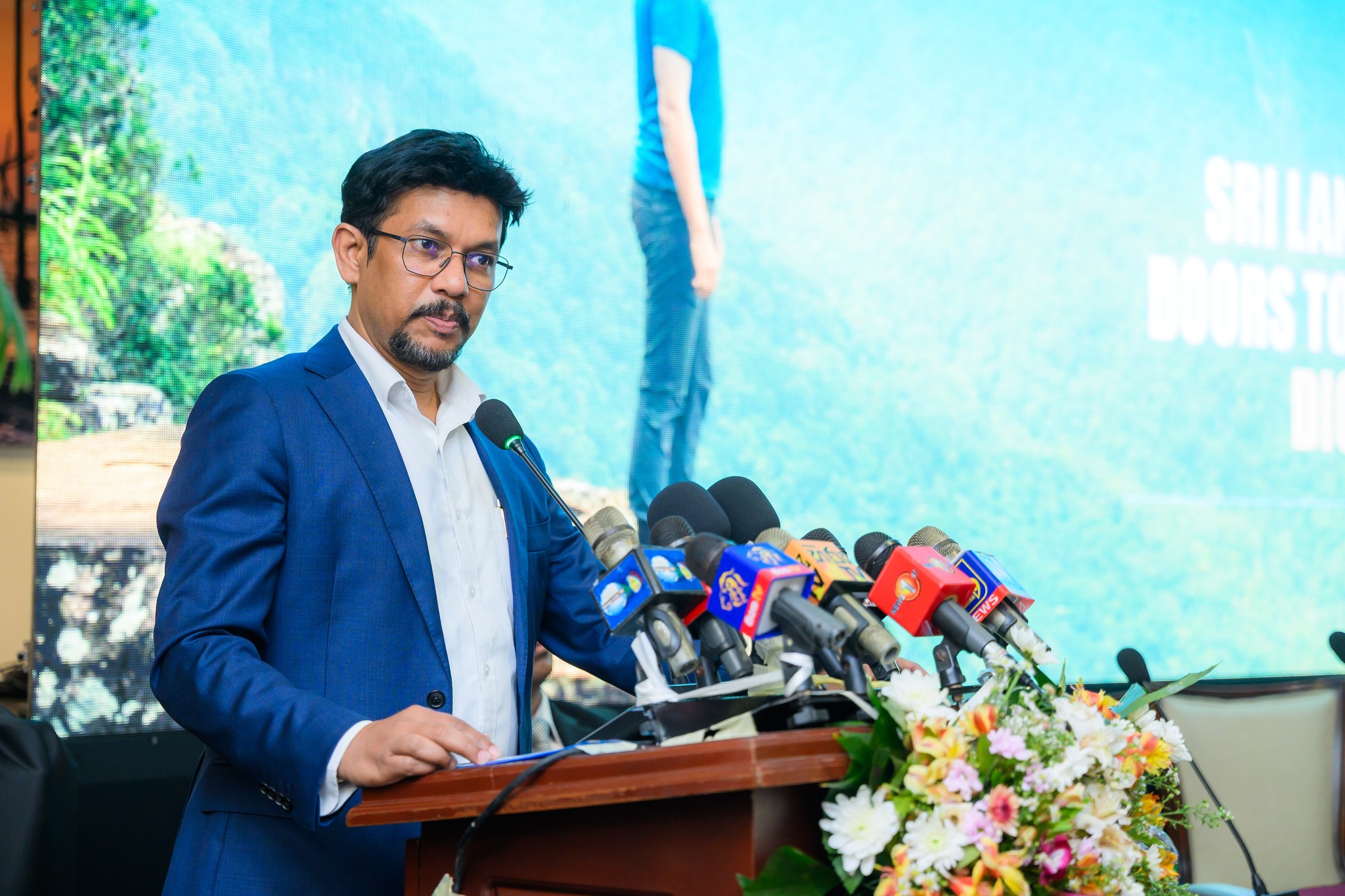
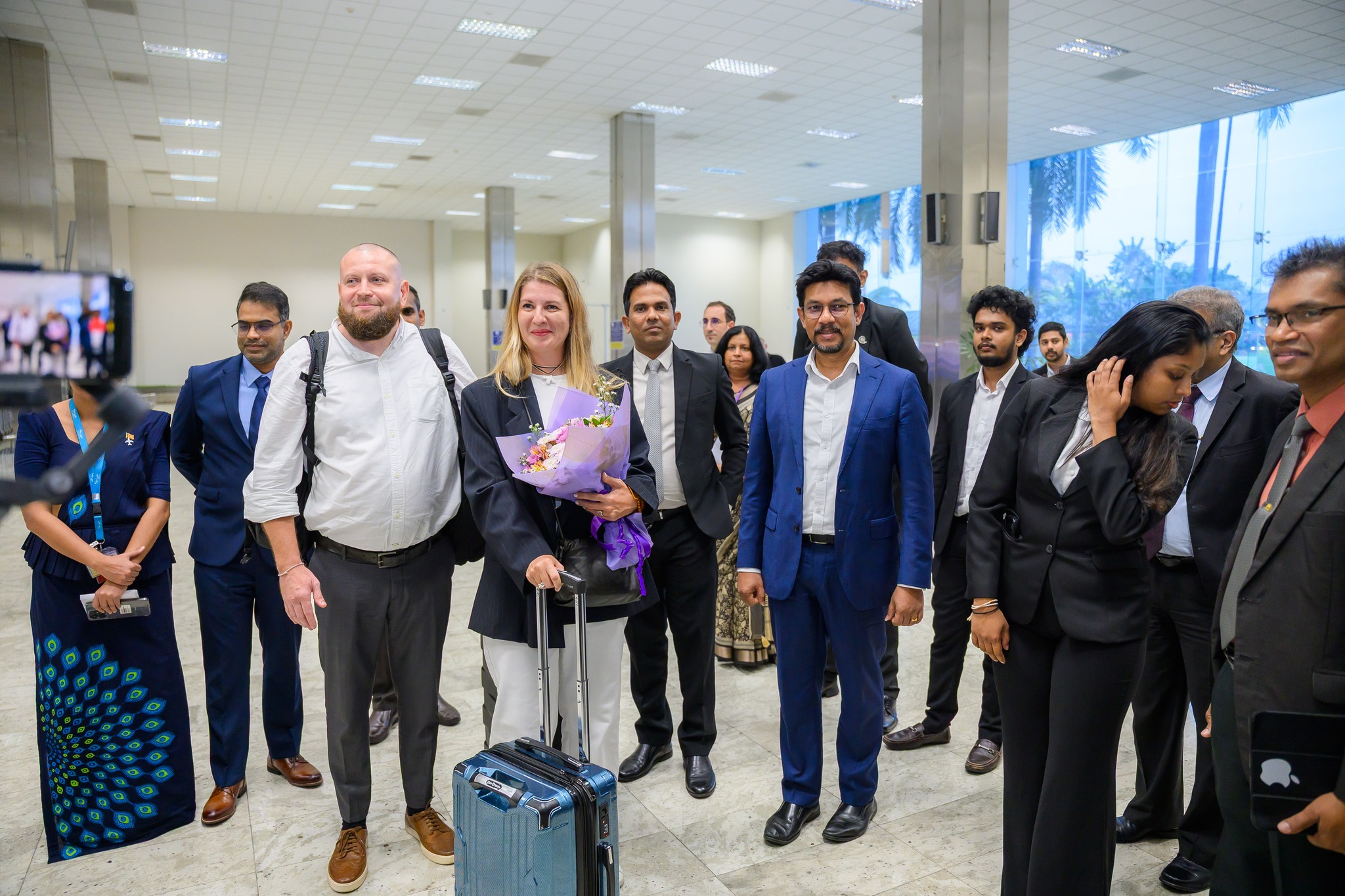
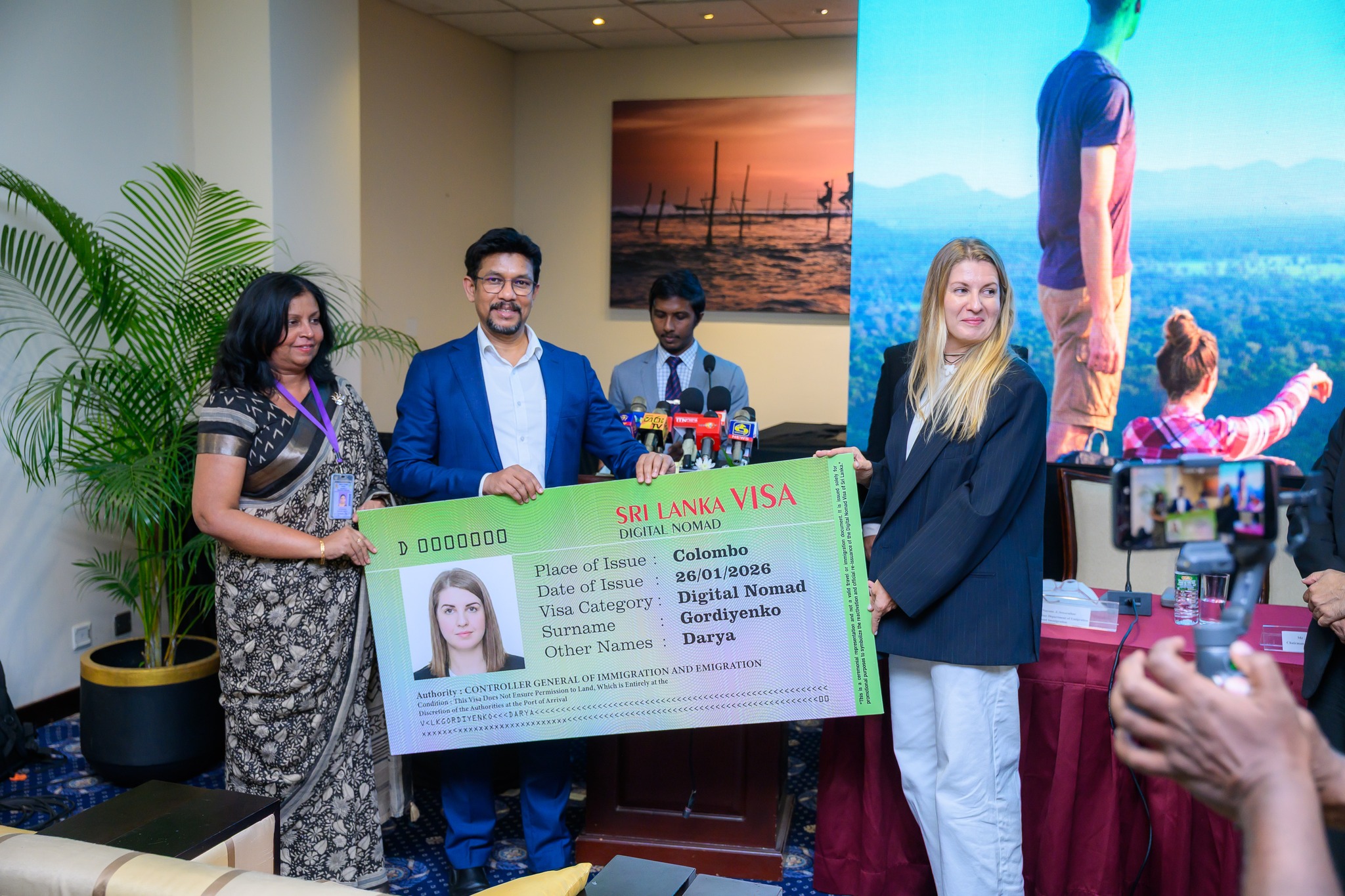
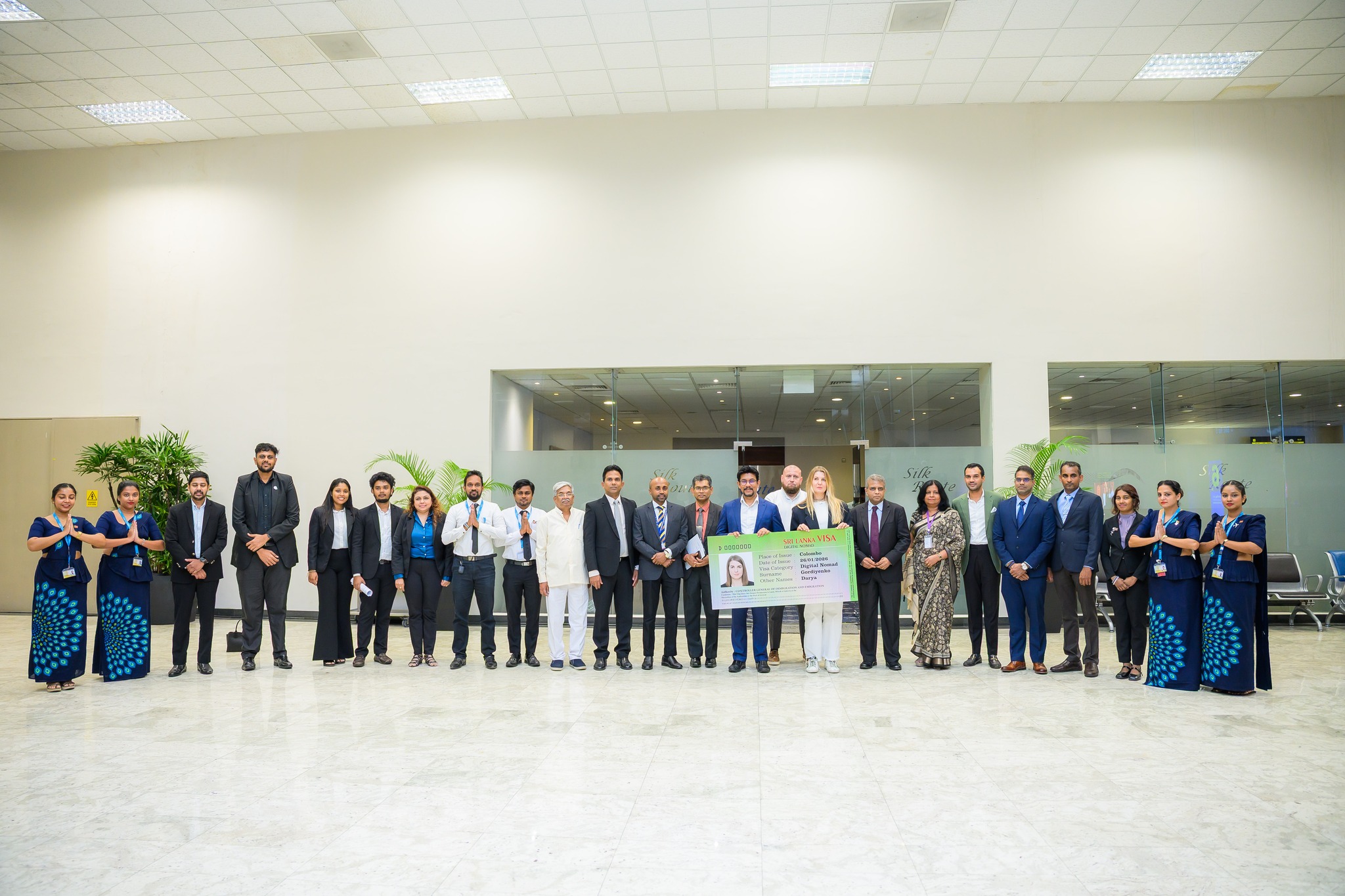
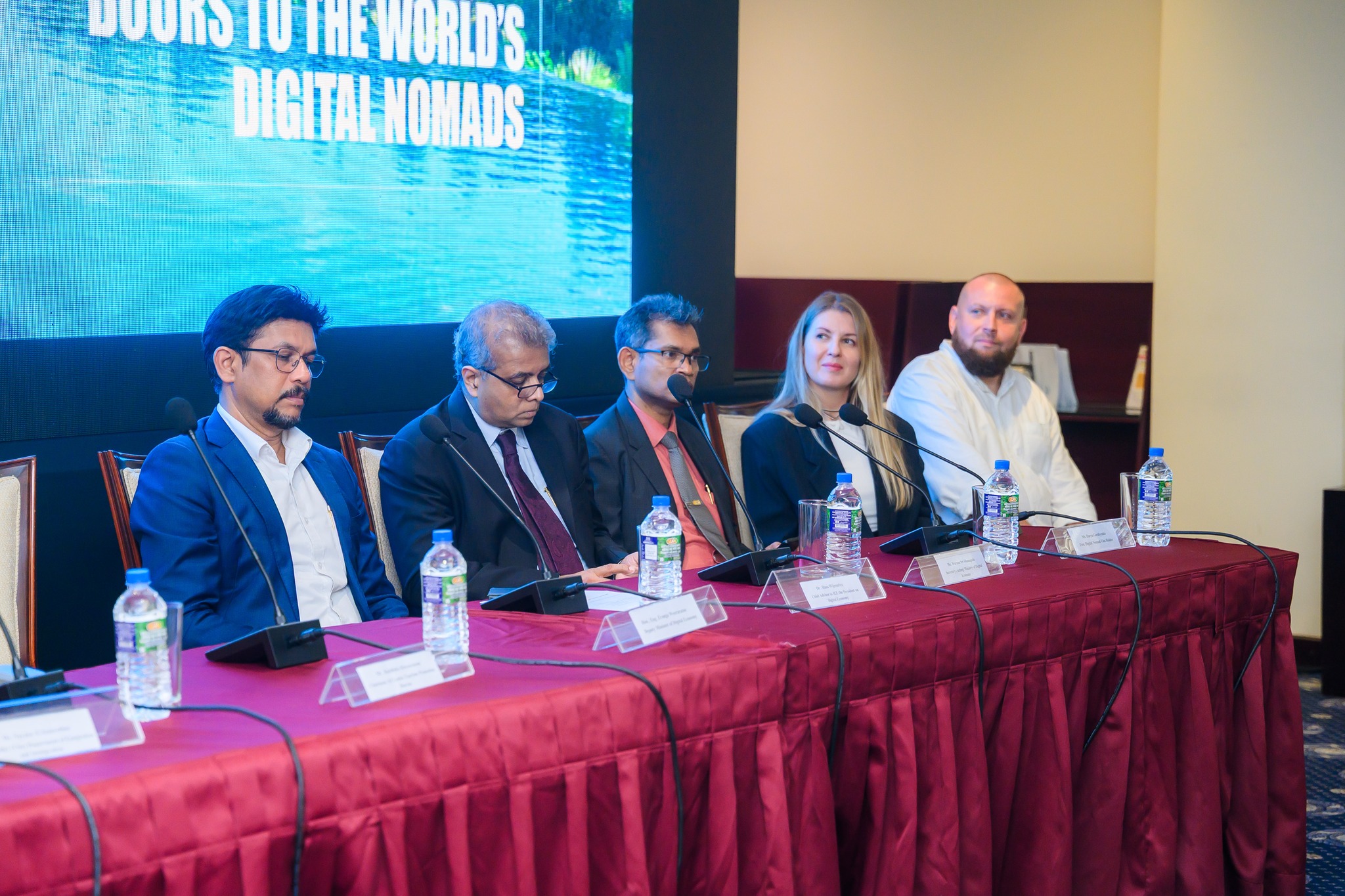
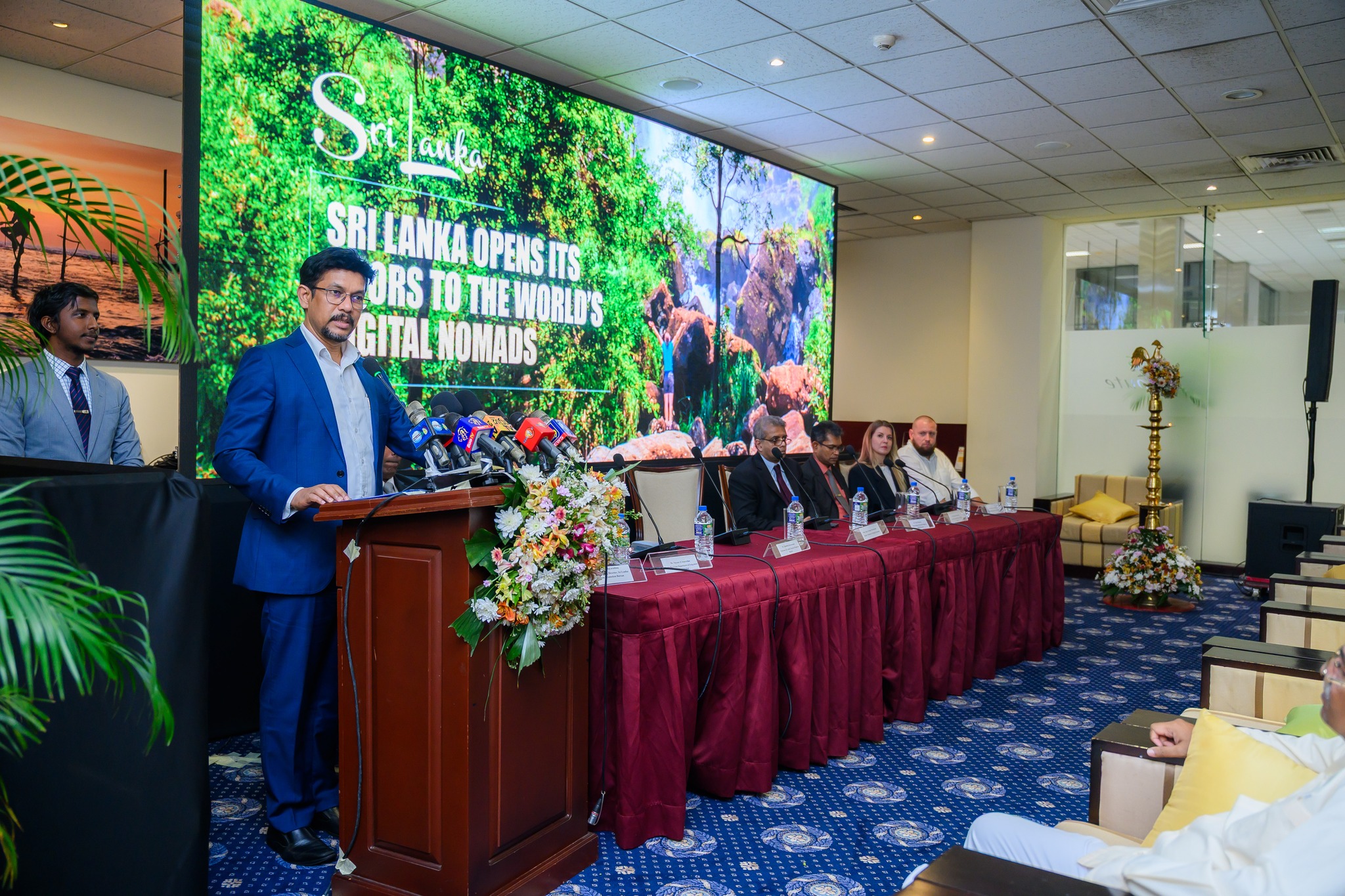
Marking an important step toward positioning Sri Lanka as a key hub in the global digital economy, the official ceremony to issue the country’s first “Digital Nomad” visa for foreign professionals was held recently at the Silk Route arrival terminal of Bandaranaike International Airport.

The program, jointly implemented by the Ministry of Digital Economy, the Department of Immigration and Emigration, and the Ministry of Industry and Entrepreneurship Development, grants official permission for IT professionals, freelance media personnel, and entrepreneurs from around the world to reside in Sri Lanka while providing their global services remotely.

Speaking at the event, Hon. Deputy Minister of Digital Economy, Eng. Eranga Weeraratne stated that Sri Lanka is ready to embrace the 21st-century global workforce, and that the new visa scheme will help attract highly skilled foreign professionals to the country. He further emphasized that by strengthening digital infrastructure and promoting co-working spaces, the government aims to transform Sri Lanka from merely a tourist destination into a professionally thriving regional hub.

He also noted that the selection of Jaffna as one of the top destinations for 2026 by Lonely Planet adds significant value to this initiative.

Under this program, eligible applicants will receive a visa valid for one year, with the option of renewal. Their family members will also be permitted to reside in Sri Lanka, and their children will be allowed to attend private schools.

Professionals earning more than USD 2,000 per month are eligible to apply. By utilizing Sri Lanka’s banking system and local services, these individuals are expected to contribute directly to the national economy. The initiative will also create valuable opportunities for knowledge exchange between international professionals and the local tech community, while showcasing Sri Lanka’s true potential to the world.

The ceremony was attended by Chief Advisor to the President on Digital Economy Dr. Hans Wijayasuriya, Secretary to the Ministry of Digital Economy Waruna Sri Dhanapala, and senior officials from the Department of Immigration and Emigration and the Ministry of Industry and Entrepreneurship Development.

The event can be described as a significant step in redefining Sri Lanka’s identity in line with the digital era. The government plans to promote the visa globally in the coming months, aiming to attract foreign exchange inflows and accelerate the country’s digital transformation.

image 01image 02image 03image 05image 04image 06

ICT Division

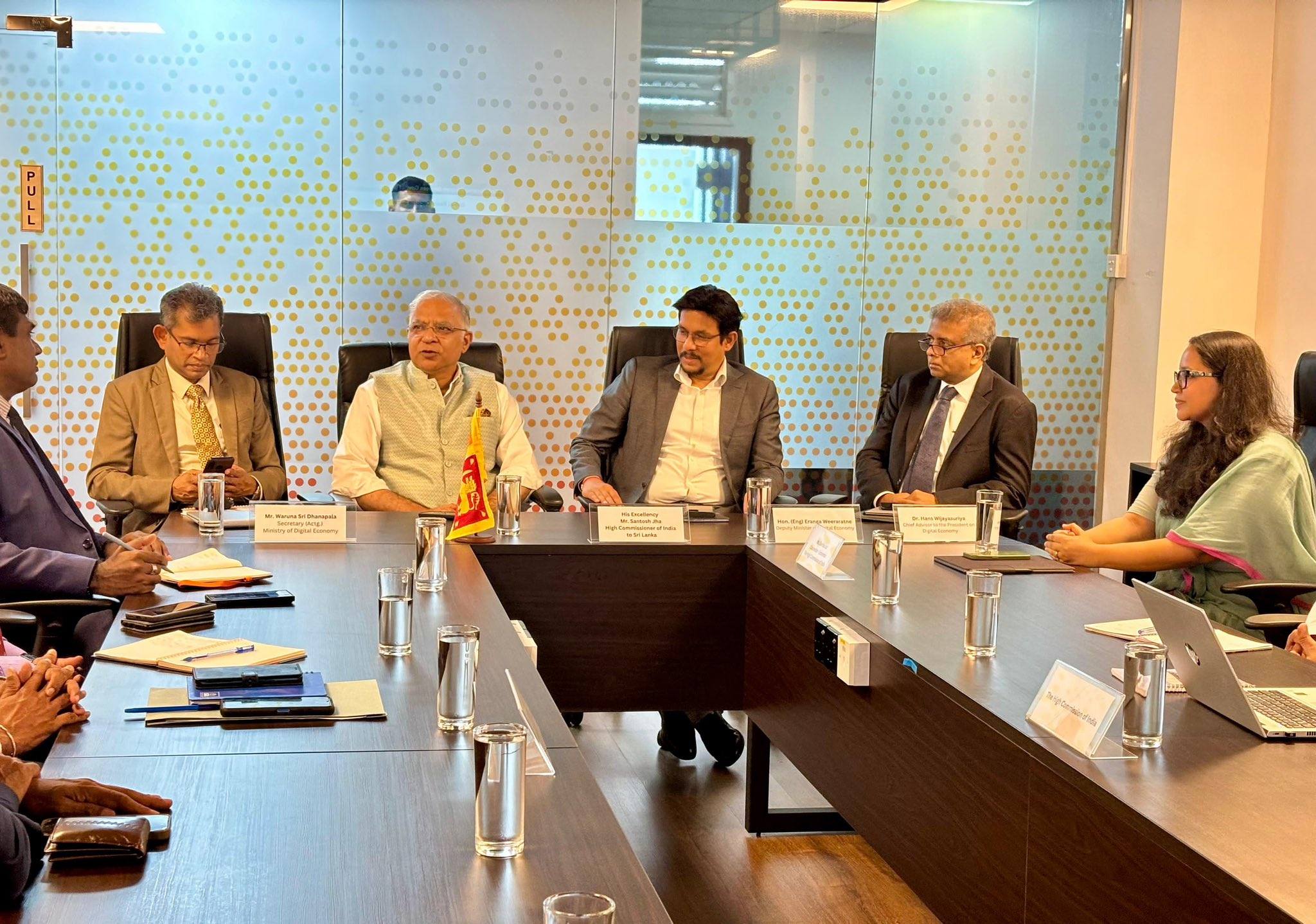
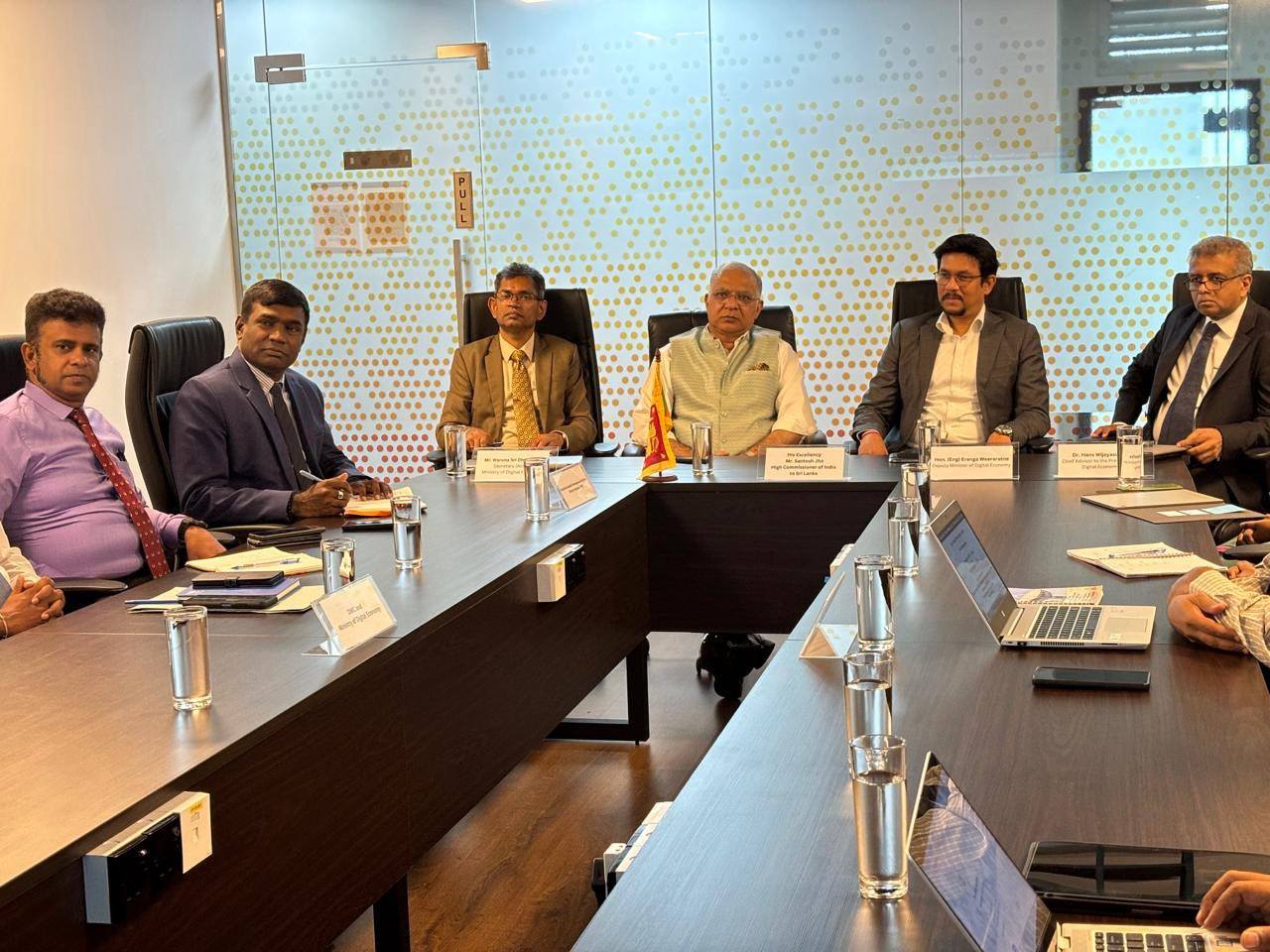
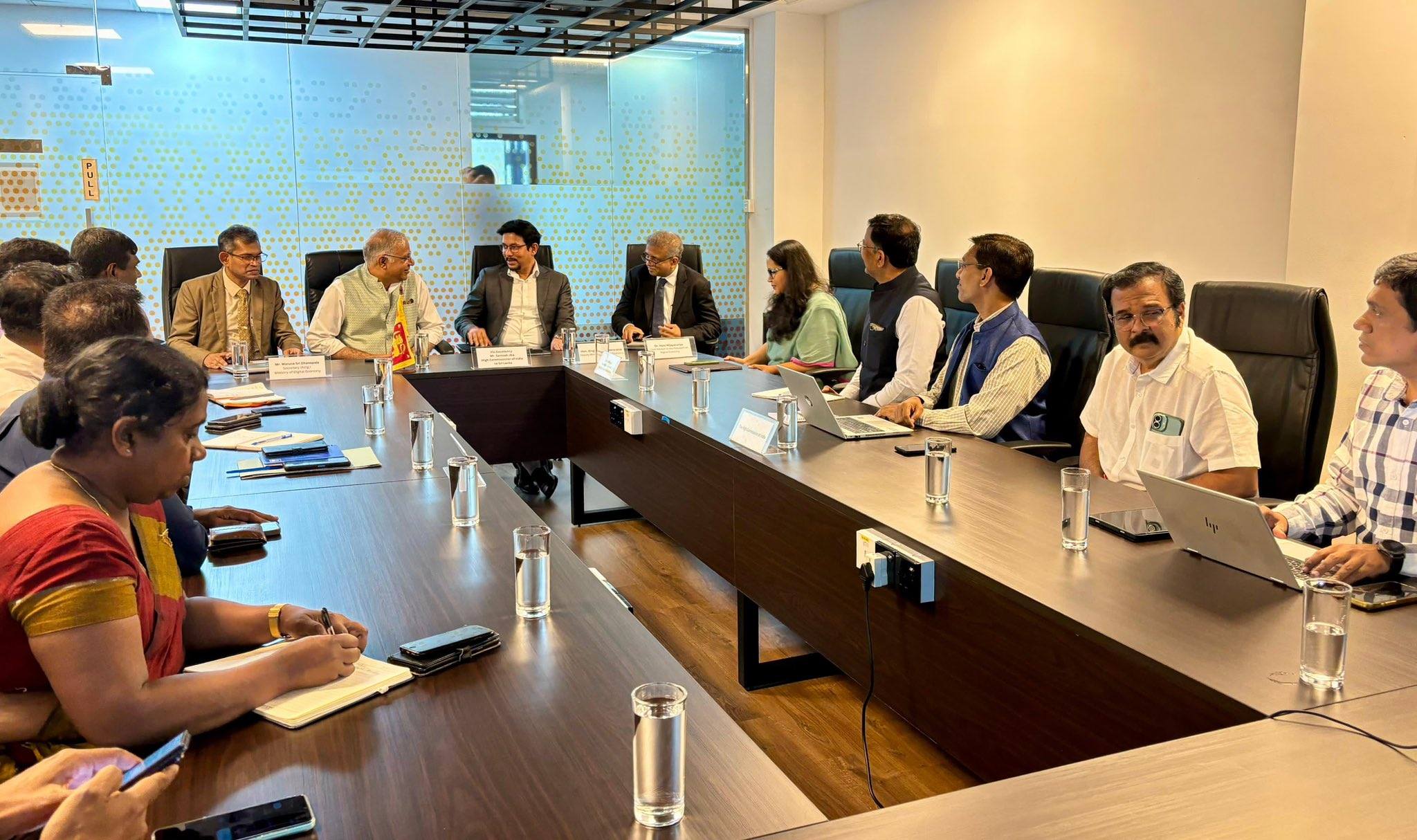
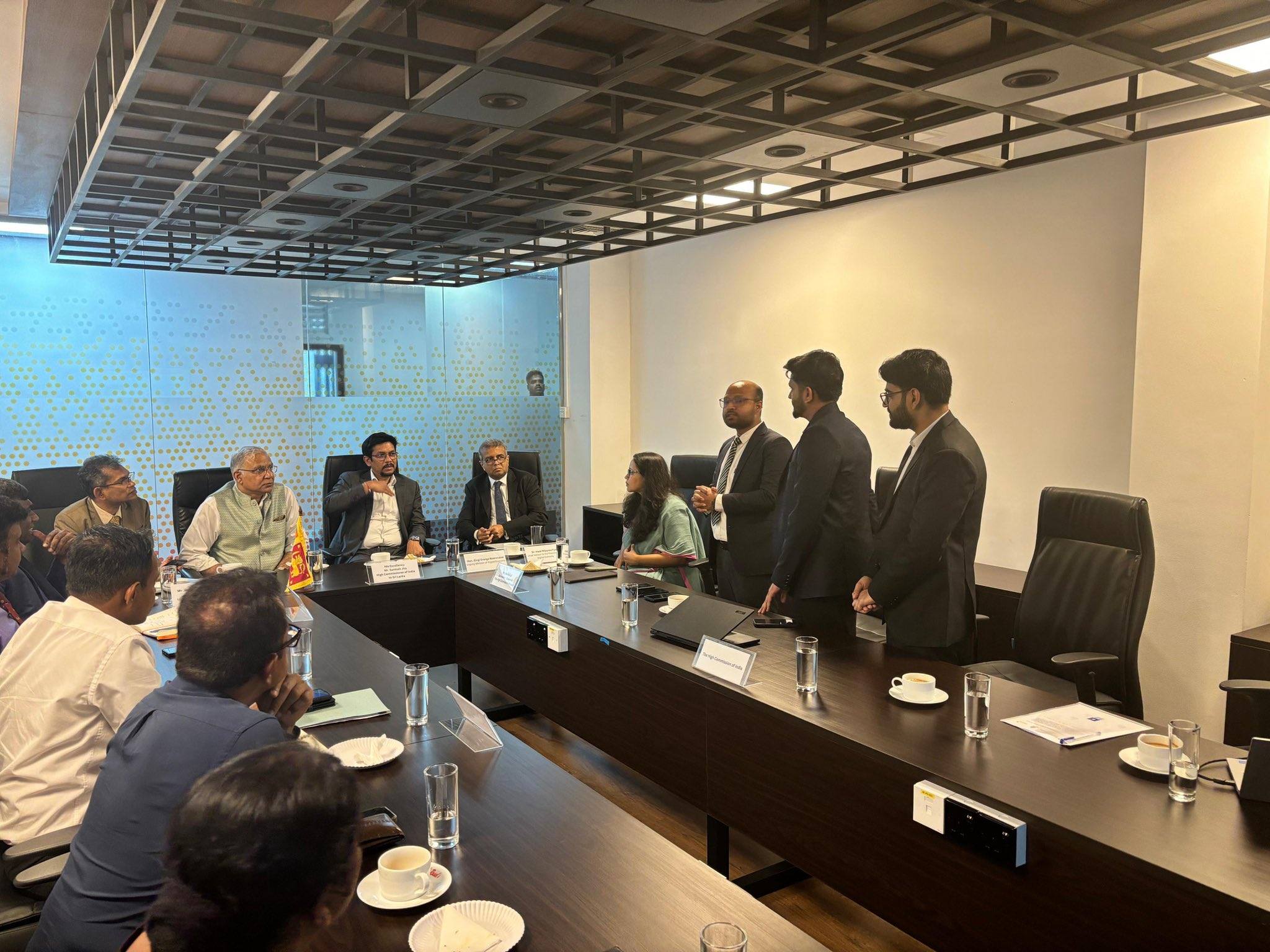
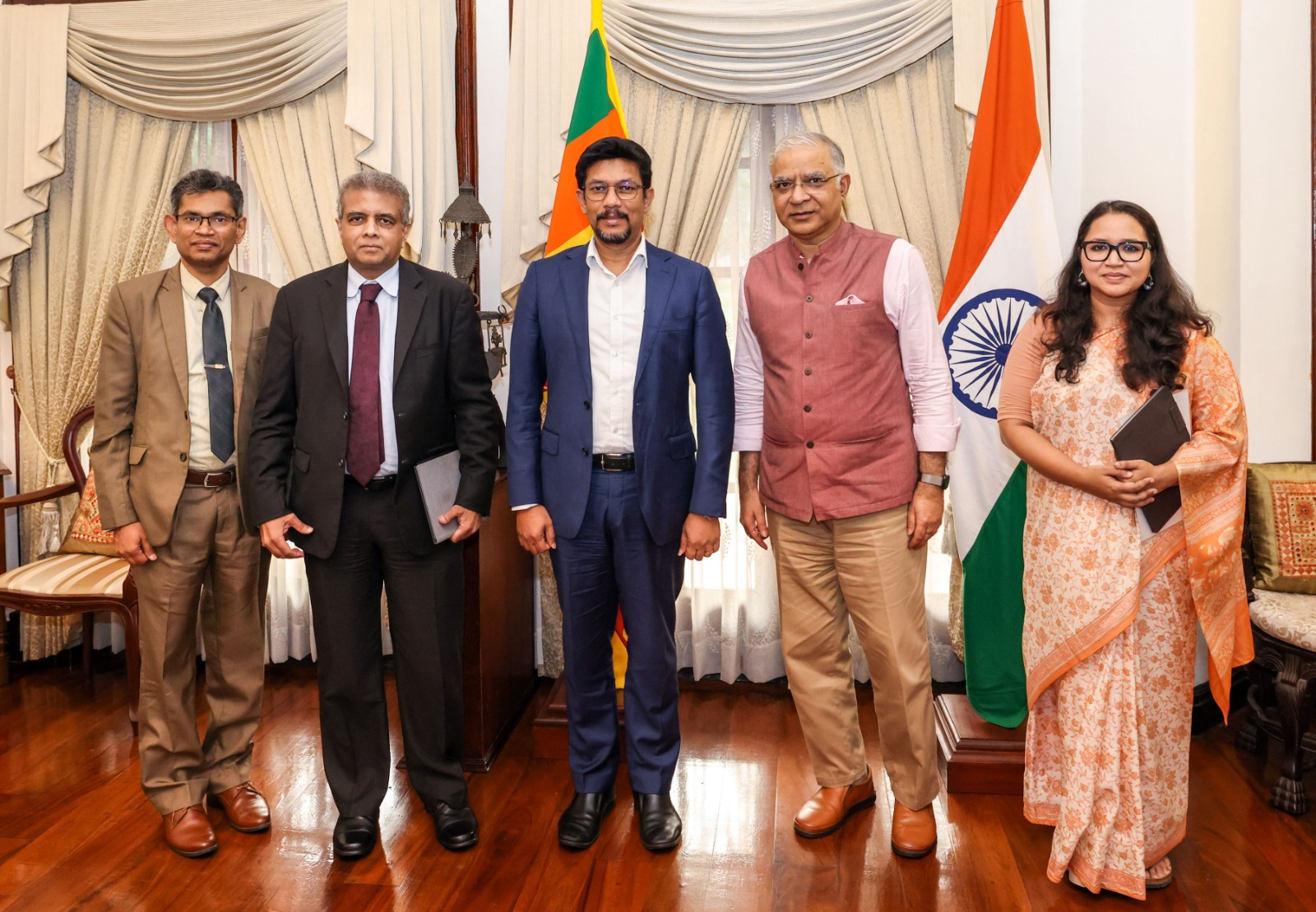
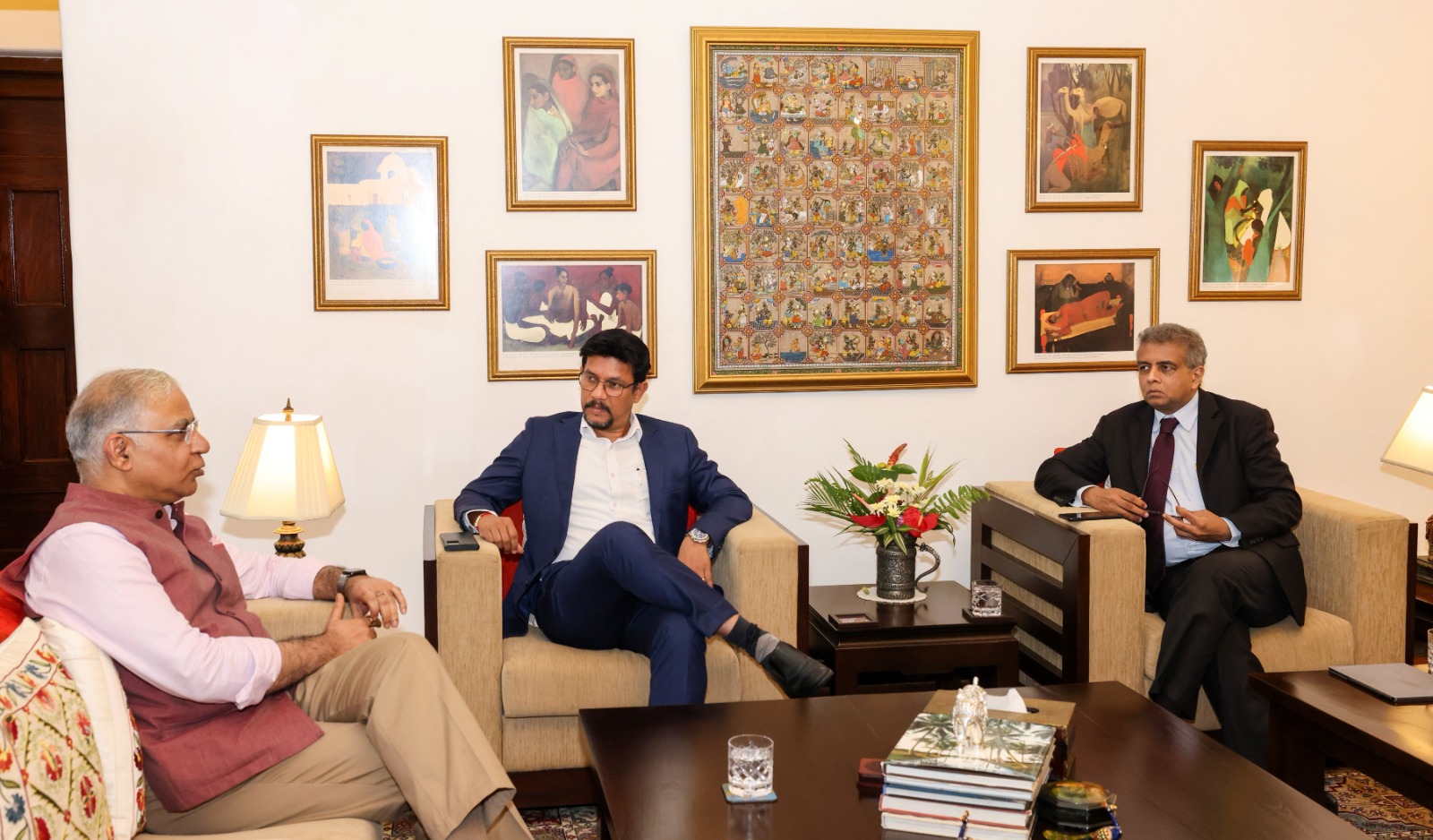
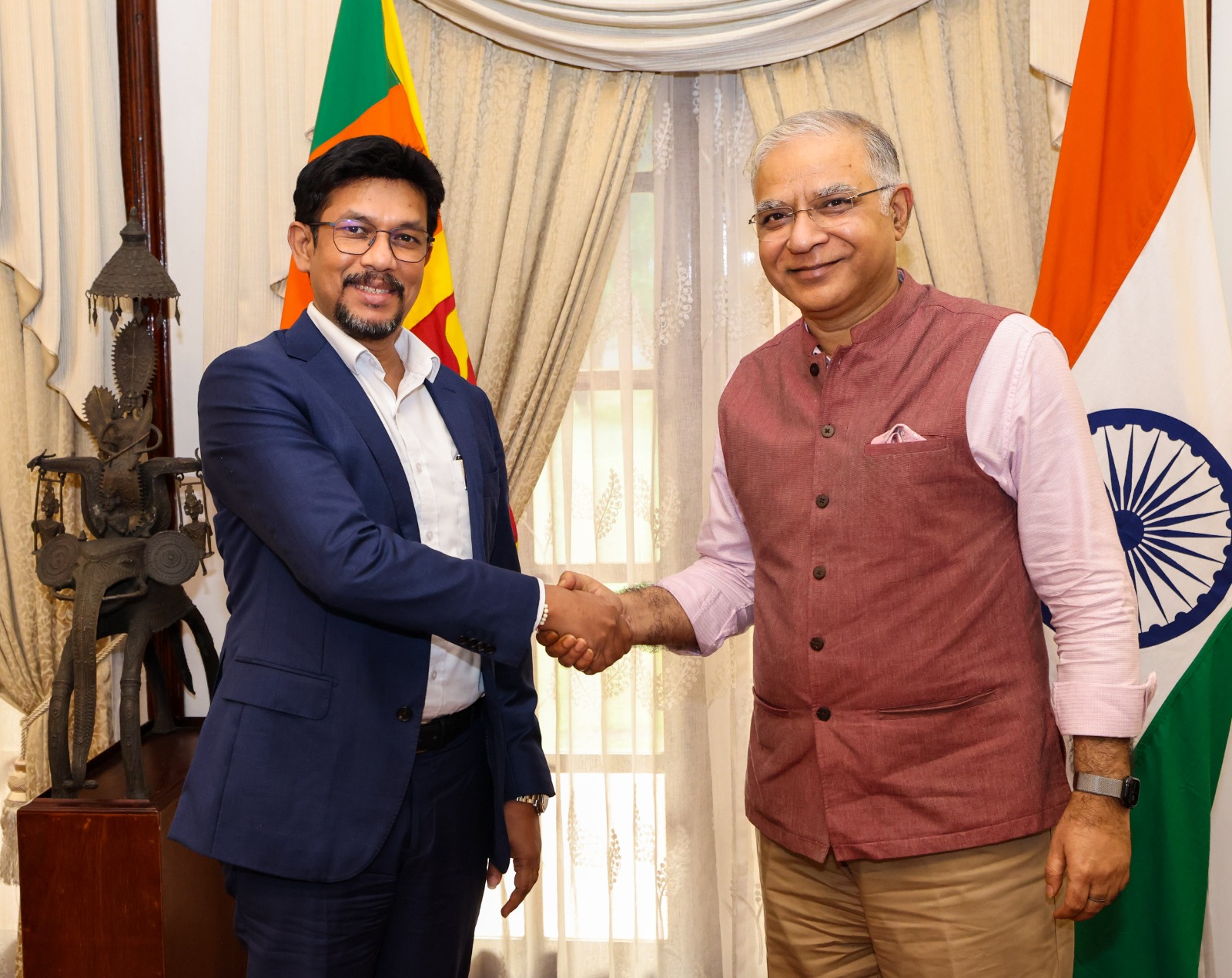
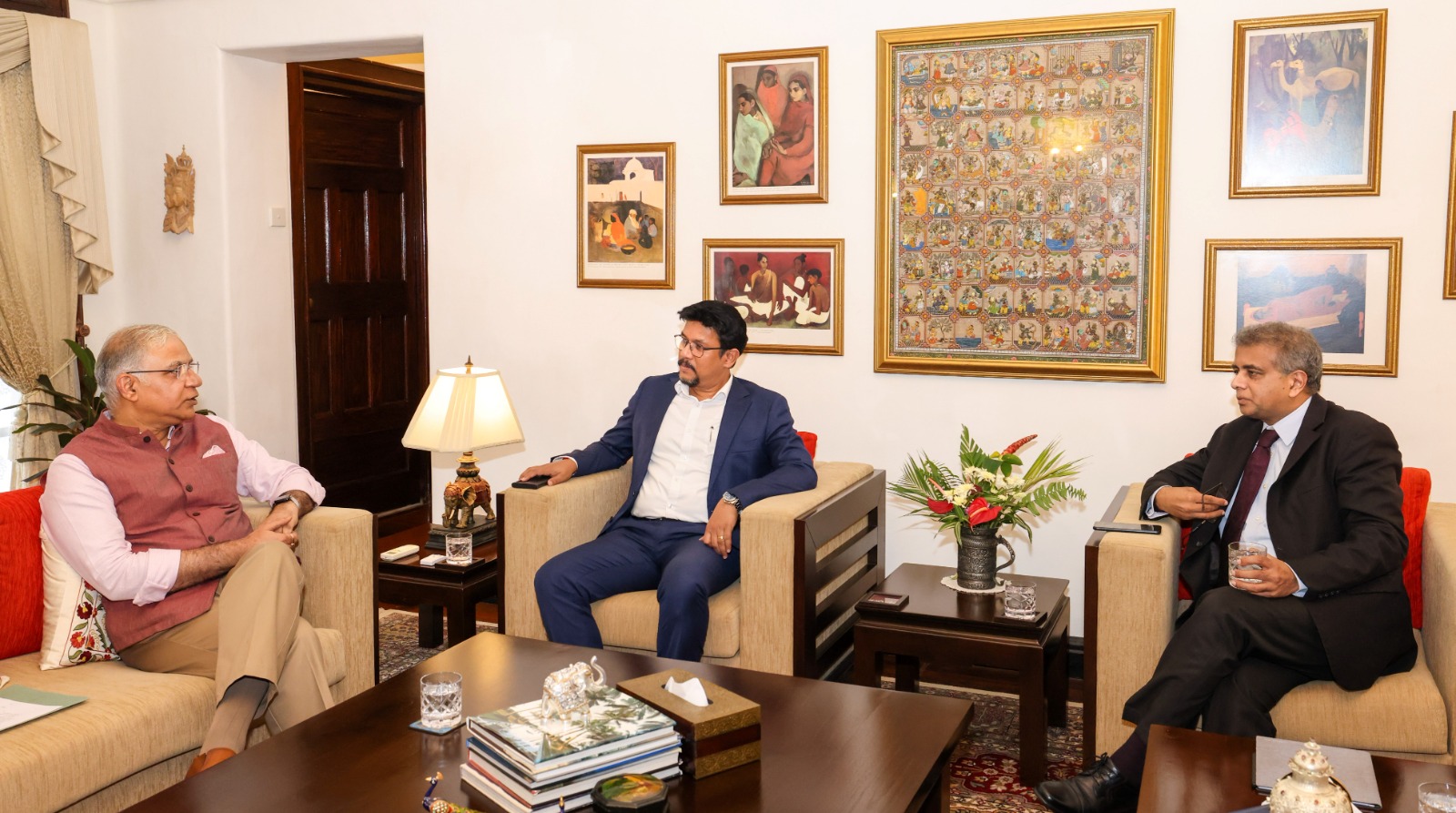
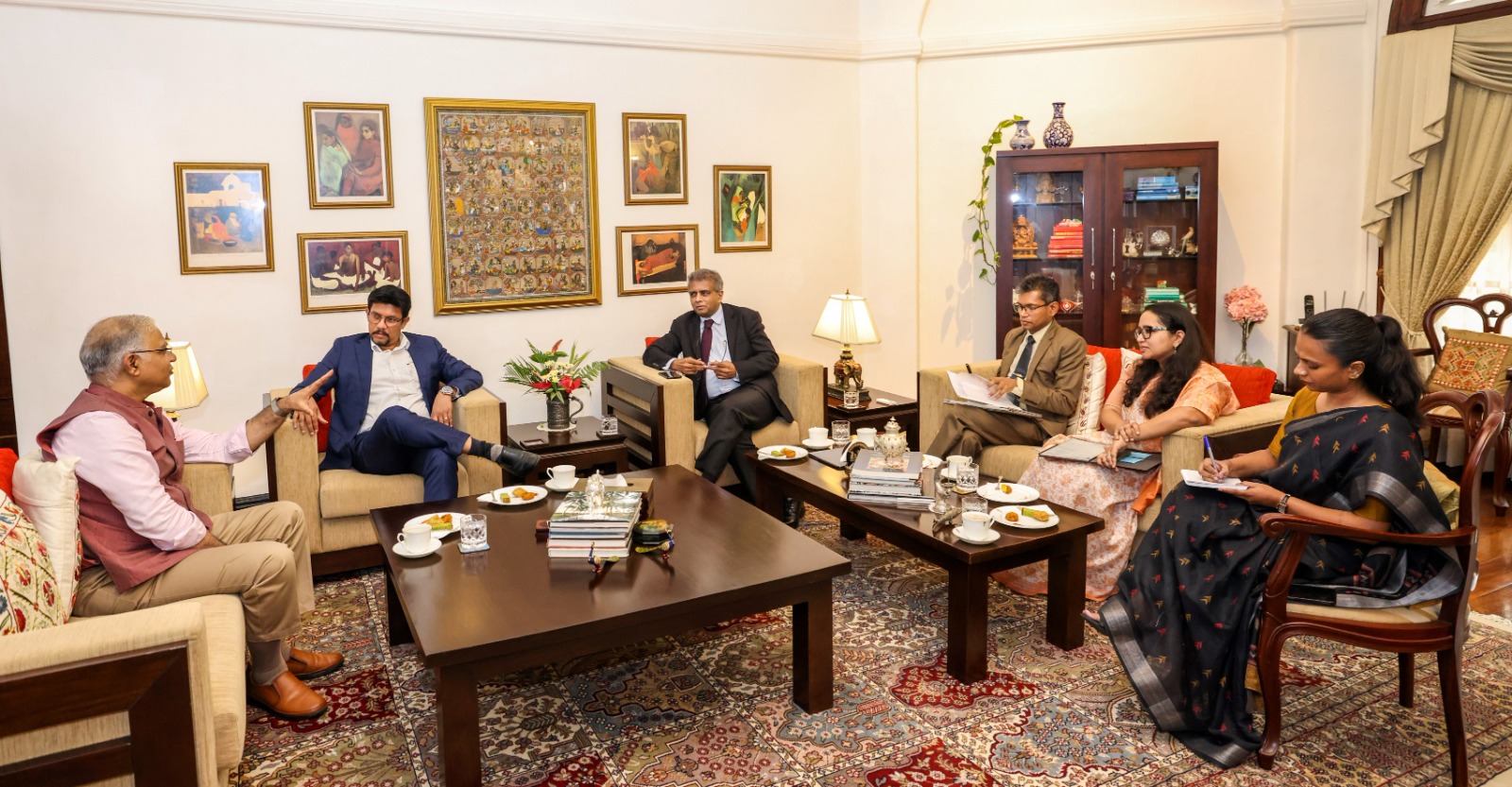
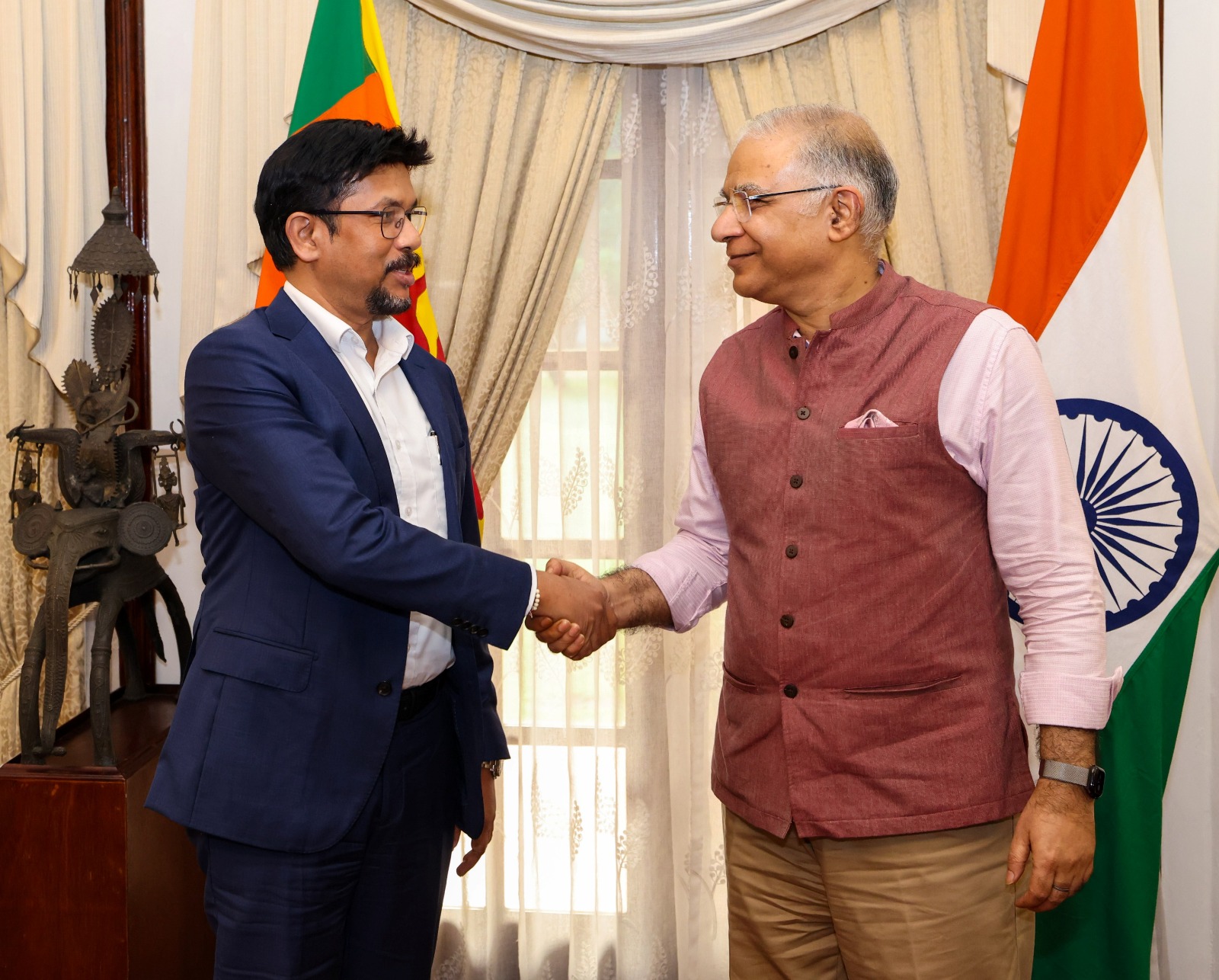
With the objective of further strengthening digital cooperation between Sri Lanka and India, the Hon. Deputy Minister of Digital Economy, Eng. Eranga Weeraratne, together with a delegation, held a special discussion with the Indian High Commissioner, H.E. Santhosh Jha, at India House.

The meeting was also attended by Dr. Hans Wijayasuriya, Chief Advisor to the President on Digital Economy and Chairman of the Information and Communication Technology Agency (ICTA), and Waruna Sri Dhanapala, Secretary to the Ministry of Digital Economy.

Taking into consideration the Artificial Intelligence (AI) Summit held in New Delhi, both parties emphasized the importance of adopting a techno-legal approach supported by strong governance structures aligned with global standards.

Special attention was given to the development of data centers and AI infrastructure. The High Commissioner further highlighted the strong interest of Indian investors in the proposed AI Zone to be established in Sri Lanka.

Discussions were also held on developing Digital Public Infrastructure (DPI), drawing inspiration from India’s ‘PM Gati Shakti’ program, particularly for satellite data–driven infrastructure planning, disaster management, and optimizing the activities of the fishing community.

Furthermore, both parties agreed to activate the existing Joint Working Group (JWG) under the current Memorandum of Understanding to build structured cooperation while safeguarding intellectual property rights.

Views were also exchanged on connecting Sri Lanka’s Small and Medium Enterprises (SMEs) with leading Indian institutions such as NASSCOM and expediting the Economic and Technology Cooperation Agreement (ETCA) between the two countries.

As part of digitizing the education sector, proposals were made to seek India’s support in establishing Tinkering Labs and AI learning centers across all provinces of the island to promote robotics and coding education. Additionally, the possibility of Sri Lanka engaging with India’s ‘Bharat 6G Mission’ for advanced telecommunications research was explored as another significant initiative.

One of the most important outcomes of the discussion was the decision to establish research, development (R&D), and commercialization partnerships between Sri Lankan universities and leading Indian institutions such as IIT Madras.

This would create opportunities to collaboratively develop Sri Lankan research, strengthen technology transfer mechanisms, and elevate the country’s engineering capabilities to international standards.

Through this sustainable partnership based on quality, security, and innovation, Sri Lanka’s efforts to position itself as a competitive regional digital hub are expected to be further strengthened.

image 01image 02image 03image 05image 04image 06

ICT Division

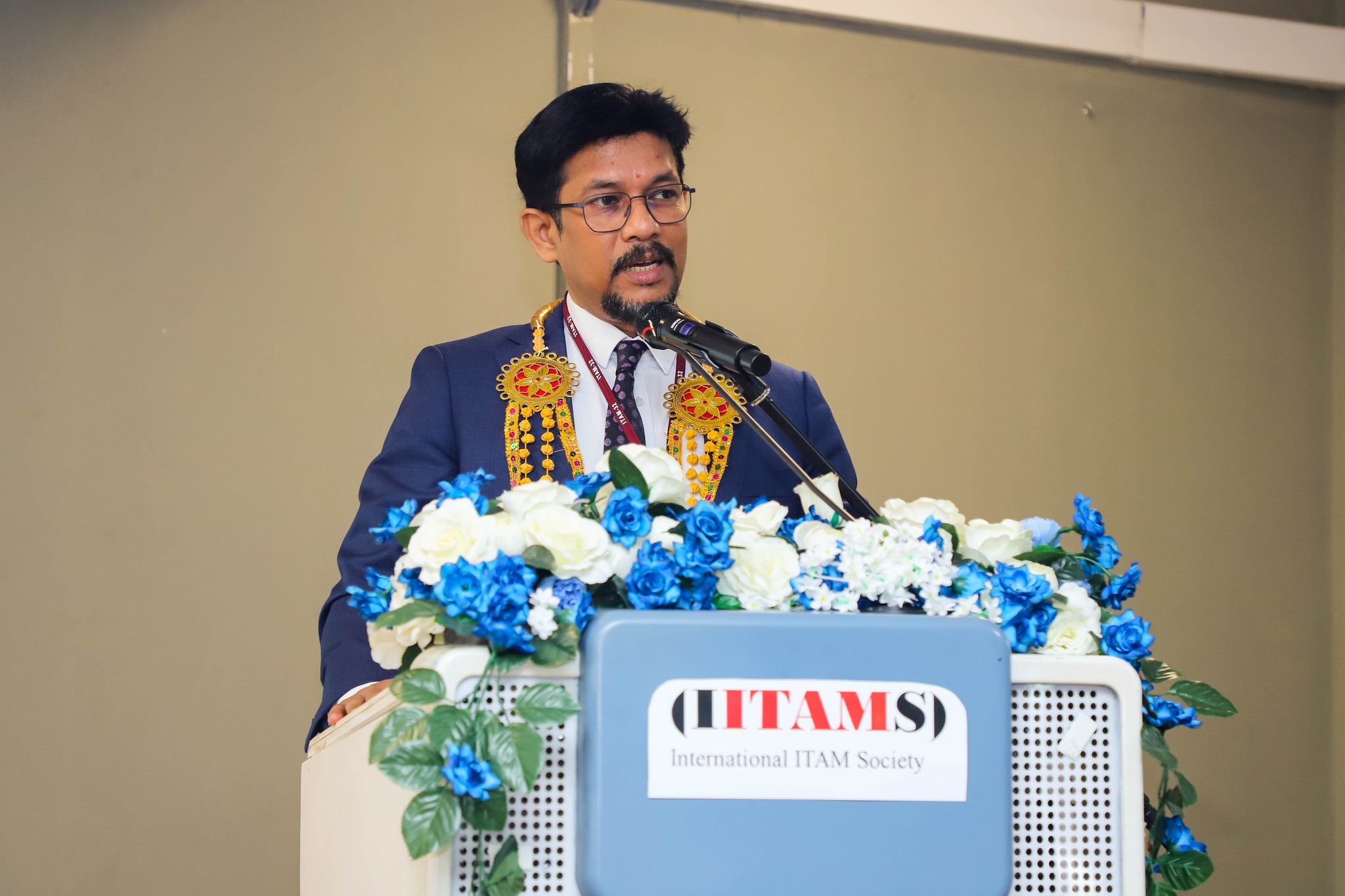
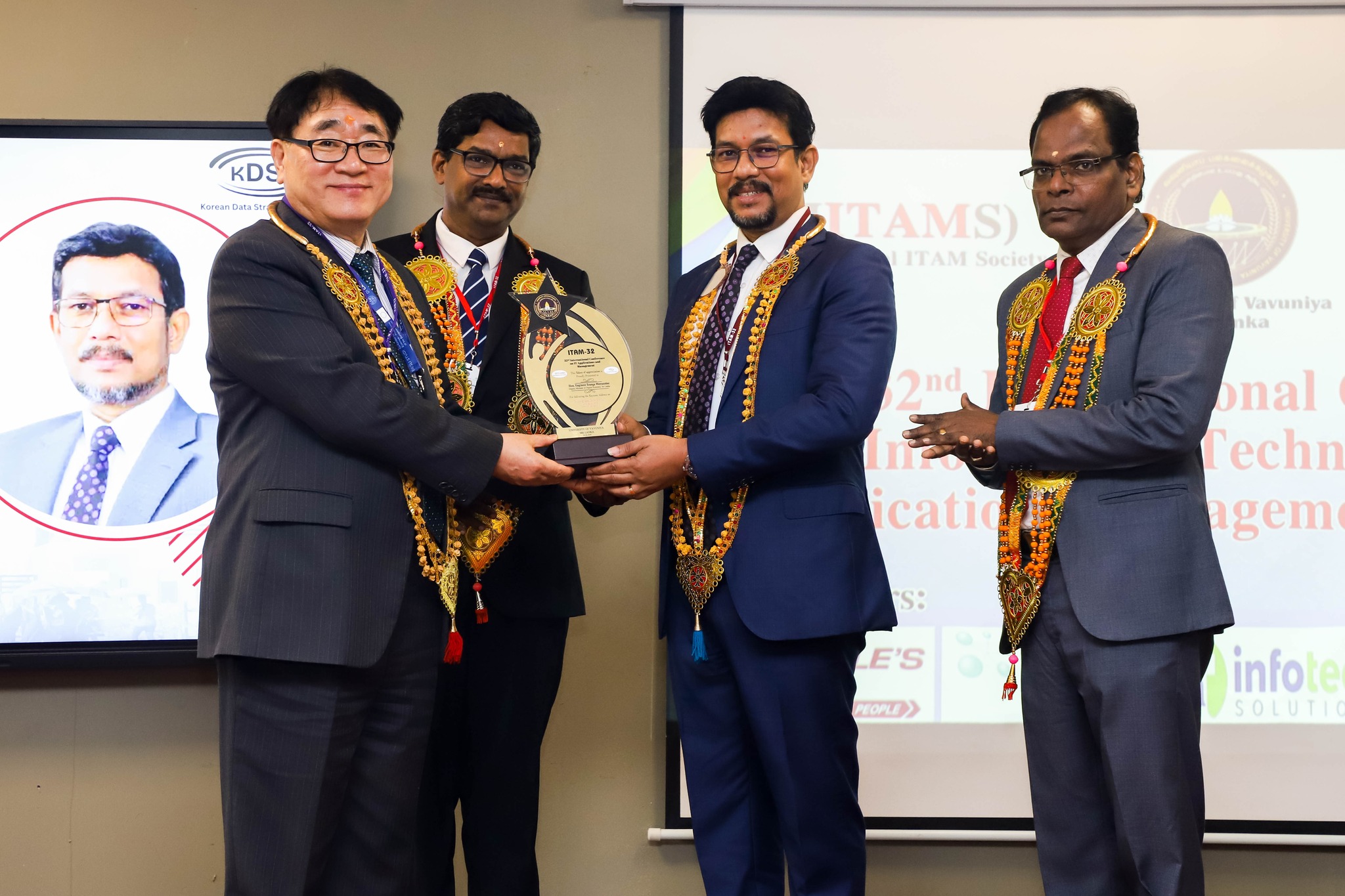
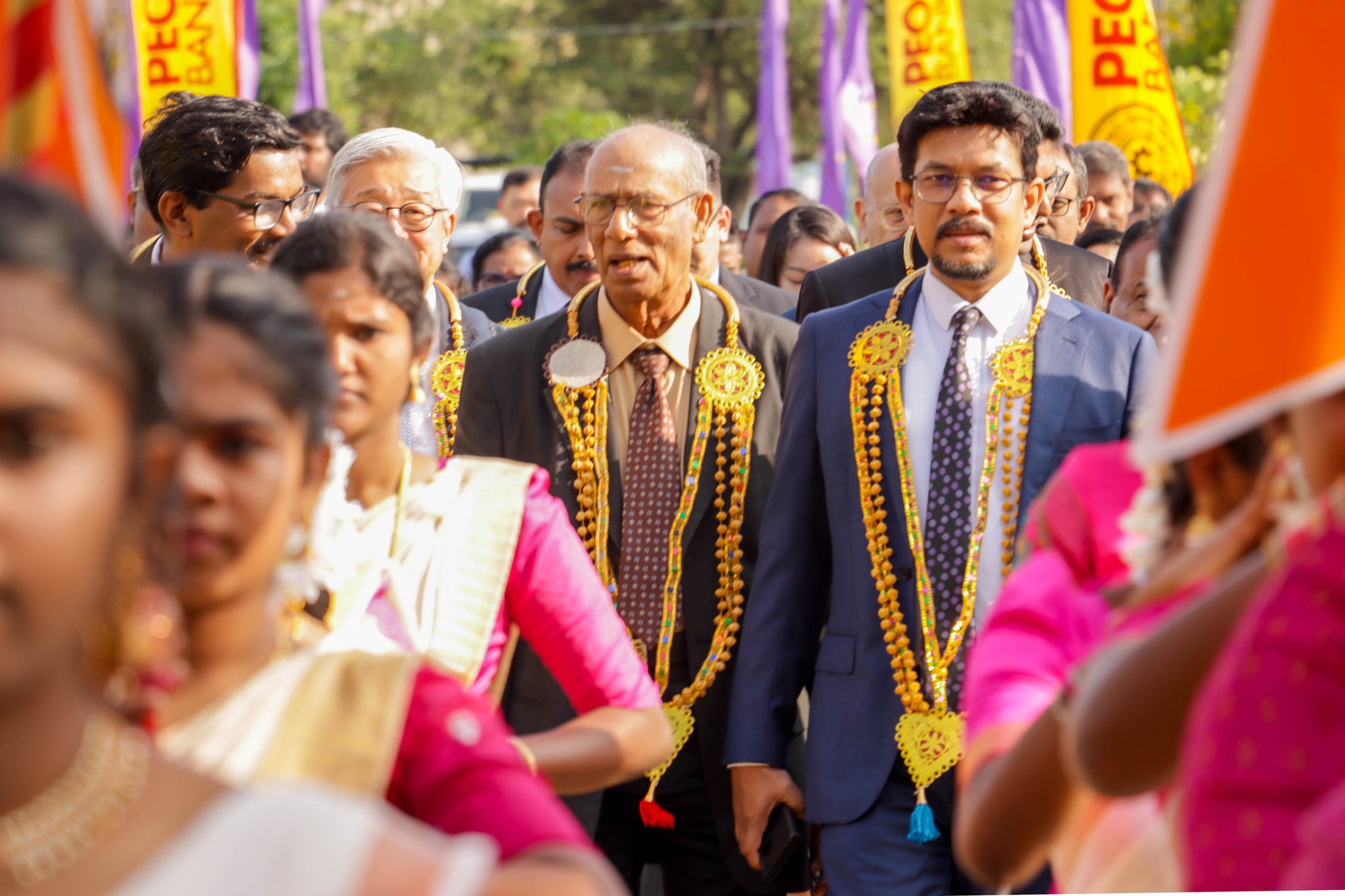
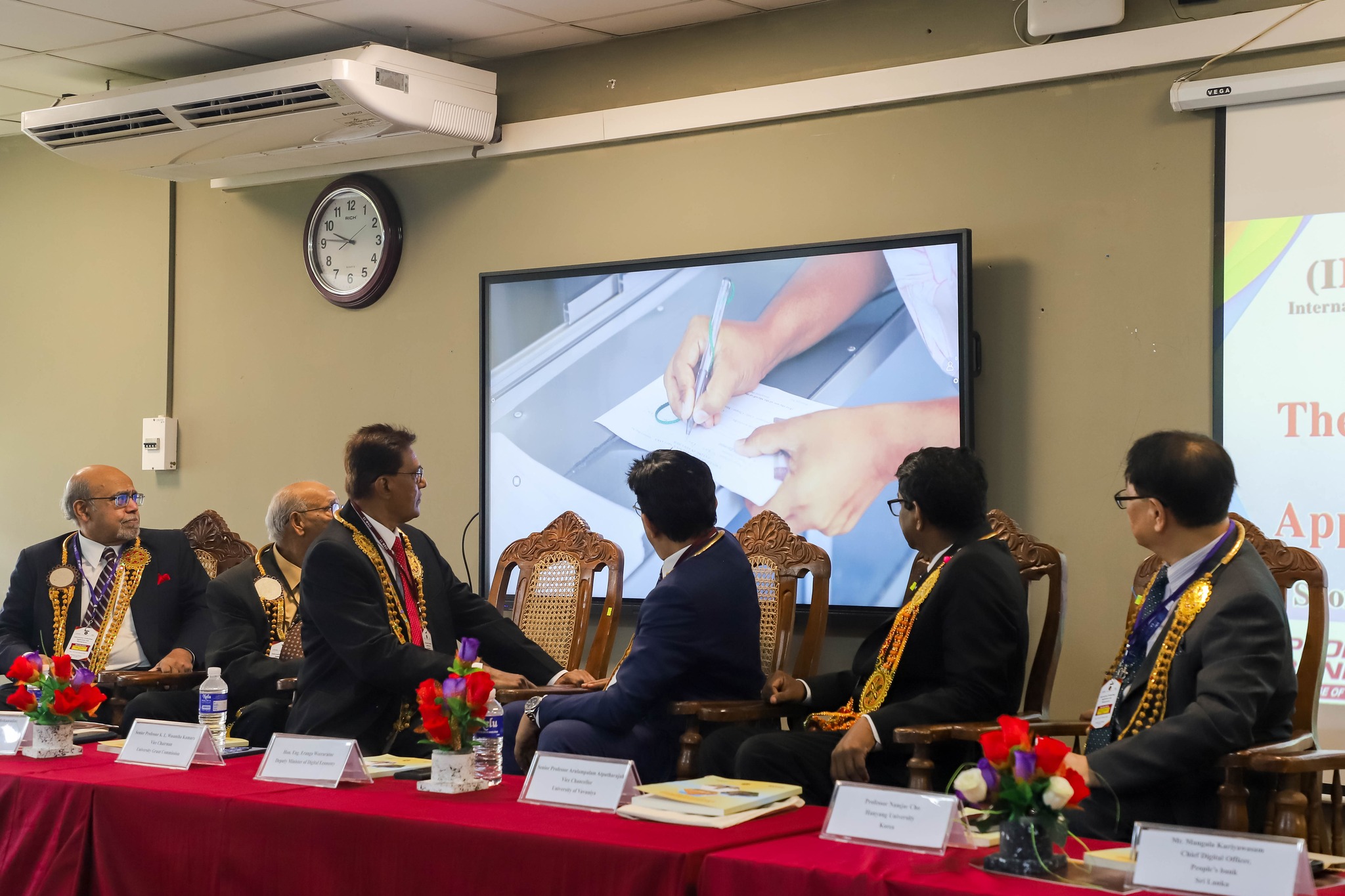
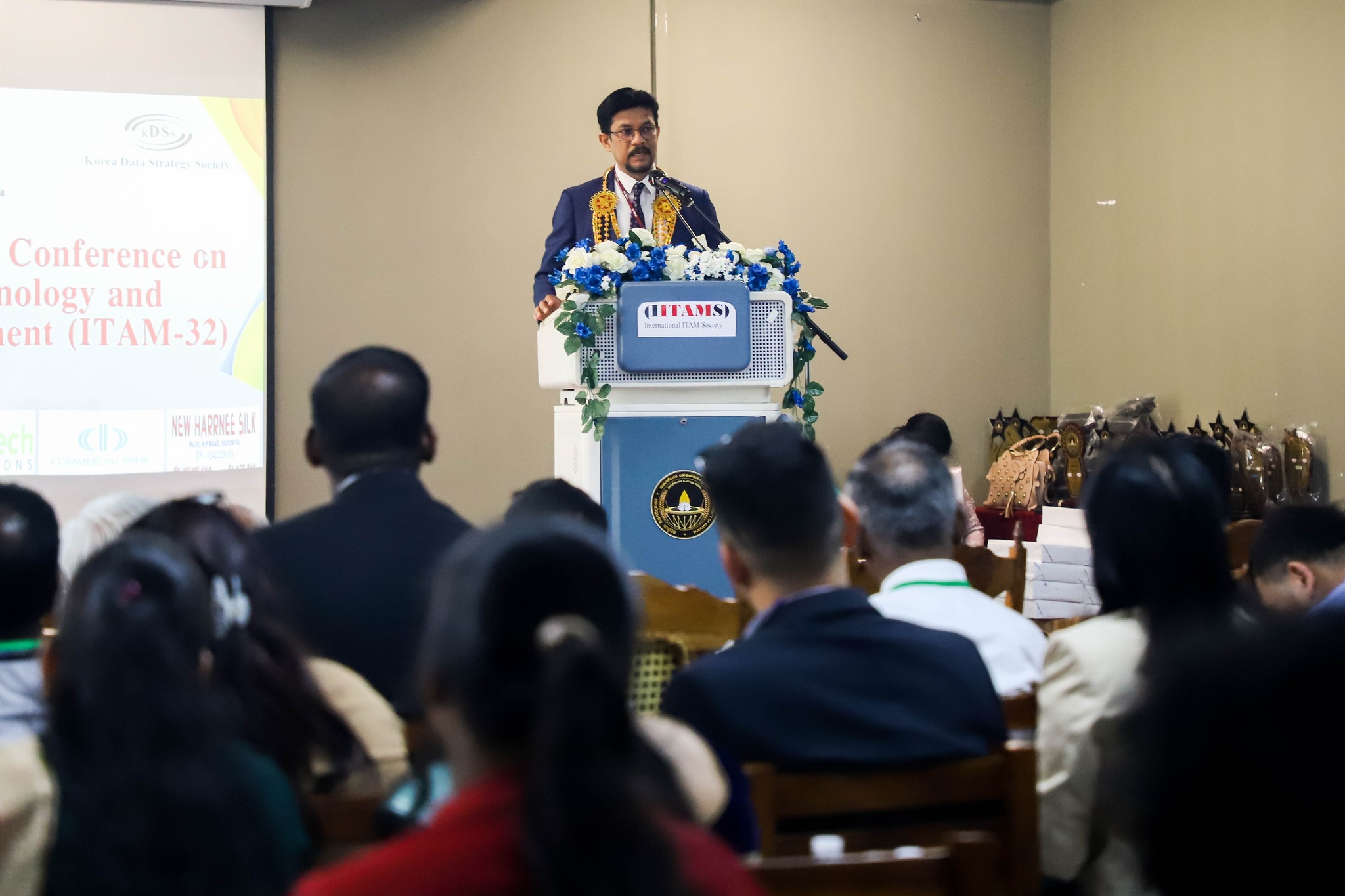
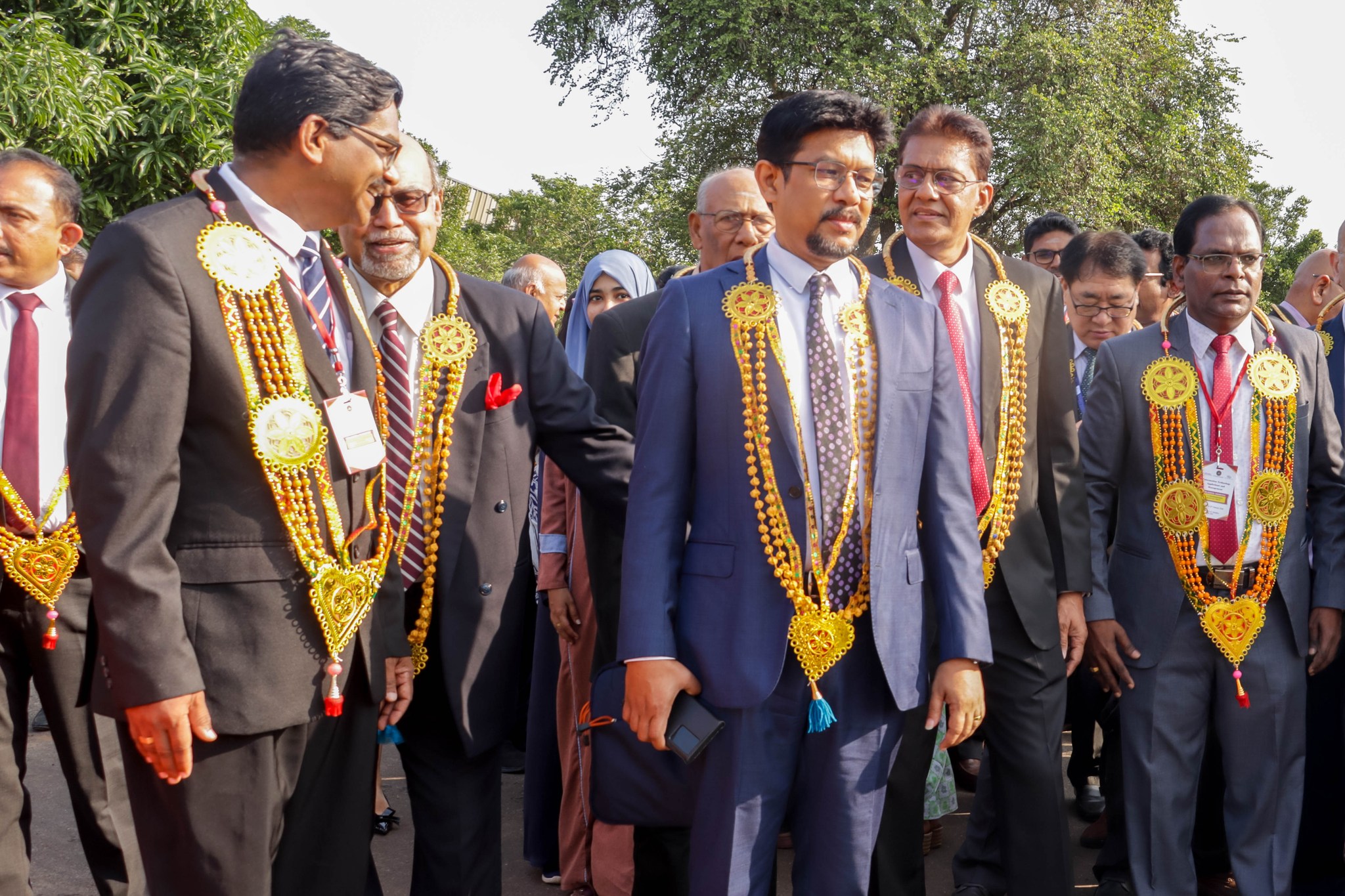
Honorable Deputy Minister of Digital Economy Eranga Weeraratne, joining as the Chief Guest of ITAM-32 International Conference organized by Vavuniya University, announced that the current global economy is undergoing a massive transformation centered on Artificial Intelligence (AI).

The minister emphasized at this conference, theme "Technology-based entrepreneurship for inclusive growth in the AI age," that the minister emphasized that data capitality in the modern digital economy, and innovation acts as the key currency unit. He showed that going beyond conventional small and medium scale businesses, encouraging start ups which use modern technologies such as cloud computer and data analysis is an essential factor for national progress in this country.

Artificial intelligence is not just a technical trend, but a force to reshape productivity in all sectors, such as electricity or internet, the minister mentioned here. He explained how AI technology directly contributes to the diagnostics in the health sector, accurate cultivation techniques in agriculture, digital payments in the financial sector, as well as boosting the efficiency of public service. The minister also said that the technology will provide a great opportunity to Sri Lanka to speed up and advance the existing development phases as a particularly developing economy.

The minister who commented on changes in the job market along with technological advancements, said that the existing fear of losing jobs due to automation is to equip the workforce with new skills. He showed that the government is committed to providing digital literacy and lifelong learning opportunities for it, and roads and harbor as well as data infrastructure are crucial to the country's economy. Here also emphasized that the government considers responsible data control, cyber security and setting up an ethical AI framework as a national priority.

The minister specifically mentioned in his lecture that the benefits of technology should flow equally to all layers of the society. The government aims to provide equal opportunities to rural entrepreneurs, female entrepreneurs and young innovators, minimizing the existing digital gap between urban and rural areas. The minister showed in his lecture that laying the foundation for an economy that no one misses through establishment of broadband facilities and reliable digital financial systems at affordable prices, that national development should be measured not only by the growth of GDP but by improving the quality of life of people through technology.

Deputy Minister of Digital Economy States that AI-Driven Entrepreneurship Will Transform Sri Lanka’s Economy The Hon. Deputy Minister of Digital Economy, Eng. Eranga Weeraratne, stated that a new transformation of Sri Lanka’s economy will be driven through entrepreneurship based on Artificial Intelligence (AI) technology.

Speaking as the Chief Guest at the ITAM–32 International Conference organized by the University of Vavuniya, the Deputy Minister noted that the current global economy is undergoing a massive transformation centered on Artificial Intelligence (AI).

Addressing the conference held under the theme “Technology-Based Entrepreneurship for Inclusive Growth in the AI Era,” the Deputy Minister emphasized that in the modern digital economy, data functions as capital, while innovation serves as the primary currency. He pointed out that encouraging startups that utilize modern technologies such as cloud computing and data analytics beyond traditional small and medium-scale enterprises is essential for national progress.

The Deputy Minister further stated that Artificial Intelligence is not merely a technological trend, but a transformative force comparable to electricity or the internet, capable of reshaping productivity across all sectors. He explained how AI directly contributes to medical diagnostics in the healthcare sector, precision farming methods in agriculture, digital payments in the financial sector, and improved efficiency in public services. As a developing economy, Sri Lanka has a valuable opportunity to leapfrog stages of development and move forward rapidly by embracing this technology.

Commenting on changes in the job market resulting from technological advancement, the Deputy Minister addressed concerns that automation may lead to job losses. He stated that the solution lies in equipping the workforce with new skills. The government, he said, is committed to enhancing digital literacy and promoting lifelong learning opportunities. He also emphasized that just as roads and ports are critical infrastructure for economic growth, data infrastructure is equally vital. Responsible data governance, cybersecurity, and the establishment of an ethical AI framework were highlighted as national priorities.

image 01image 02image 03image 05image 04image 06

ICT Division

• AI technology must be harnessed to promote the cultural values and capabilities of humanity • AI infrastructure is the next frontier of economic and cultural cooperation

  • President emphasises at Leaders’ Session of AI Impact 2026 Summit

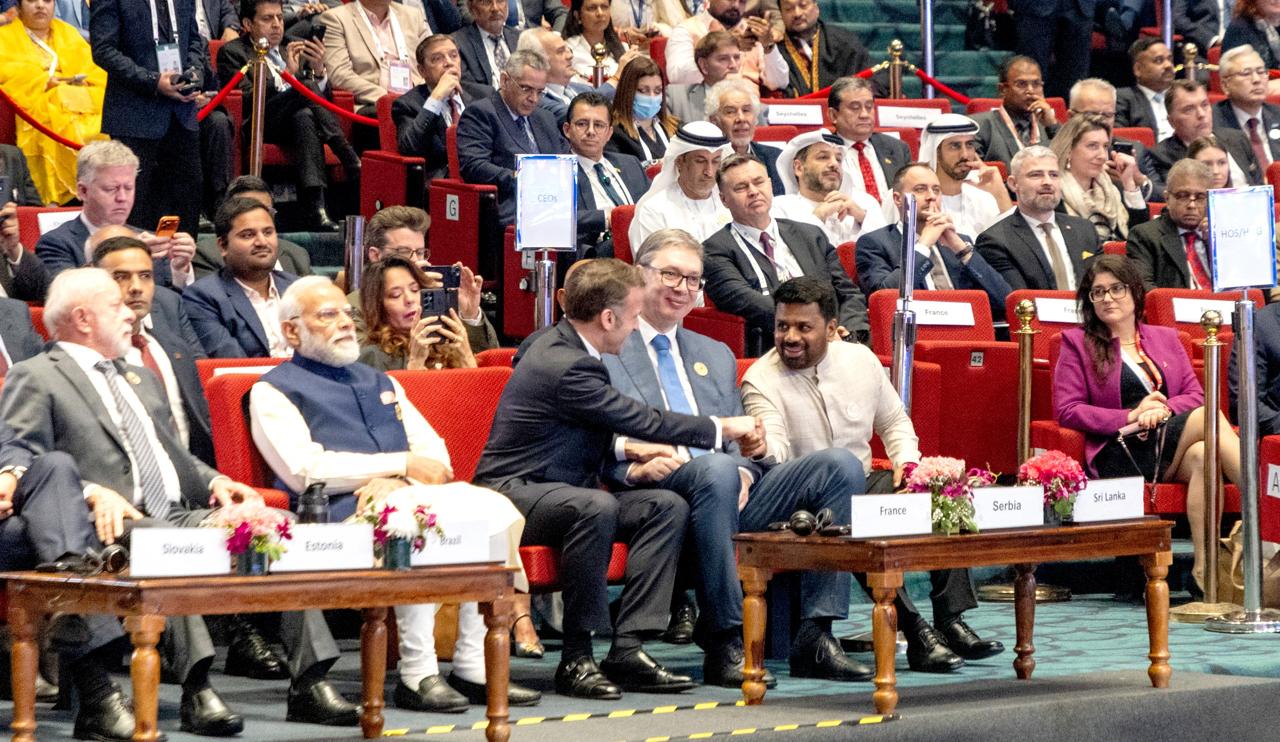
President Anura Kumara Dissanayake stated that Sri Lanka is prepared to share common values on artificial intelligence, ensuring that no one is left behind and to move forward collectively through mutual learning based on ethical principles. The President made these remarks today (19) while addressing the Leaders’ Session of the AI Impact 2026 Summit currently being held in New Delhi.

Highlighting that Sri Lanka’s vision for artificial intelligence is not one of isolated success, the President noted that the country views AI infrastructure as the next frontier of economic and cultural cooperation.

Accordingly, he proposed regional cooperation built upon four key pillars: affordable access, centrally governed language datasets, common evaluation mechanisms and security tools, and integrated capacity development.

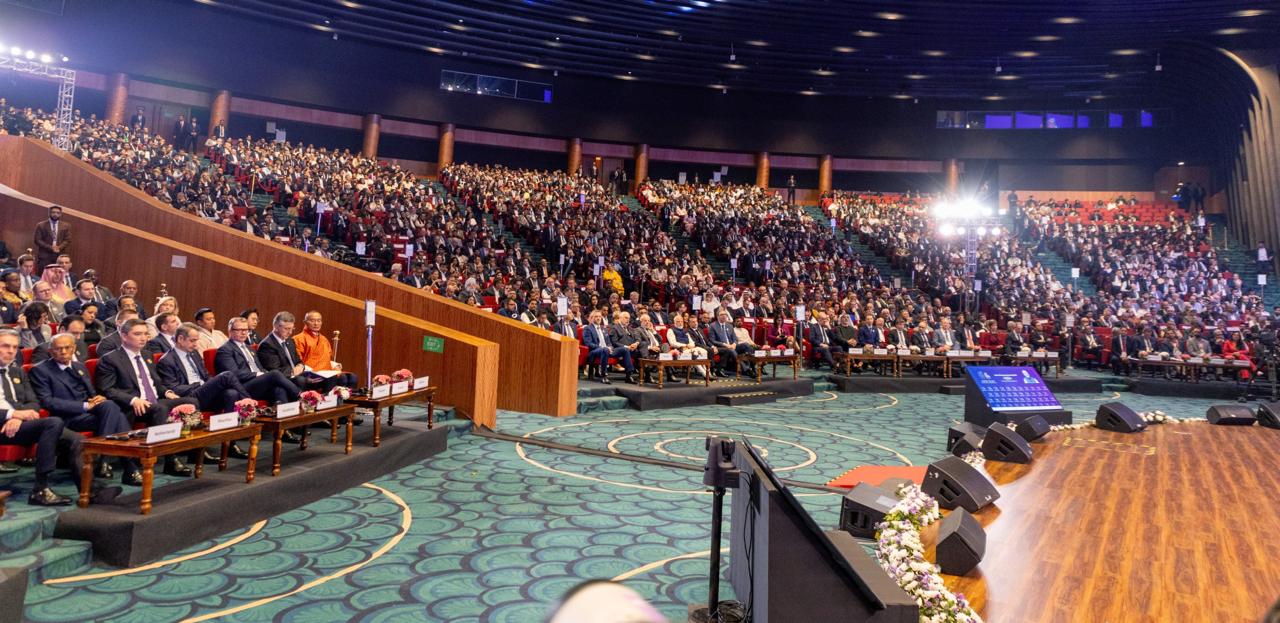
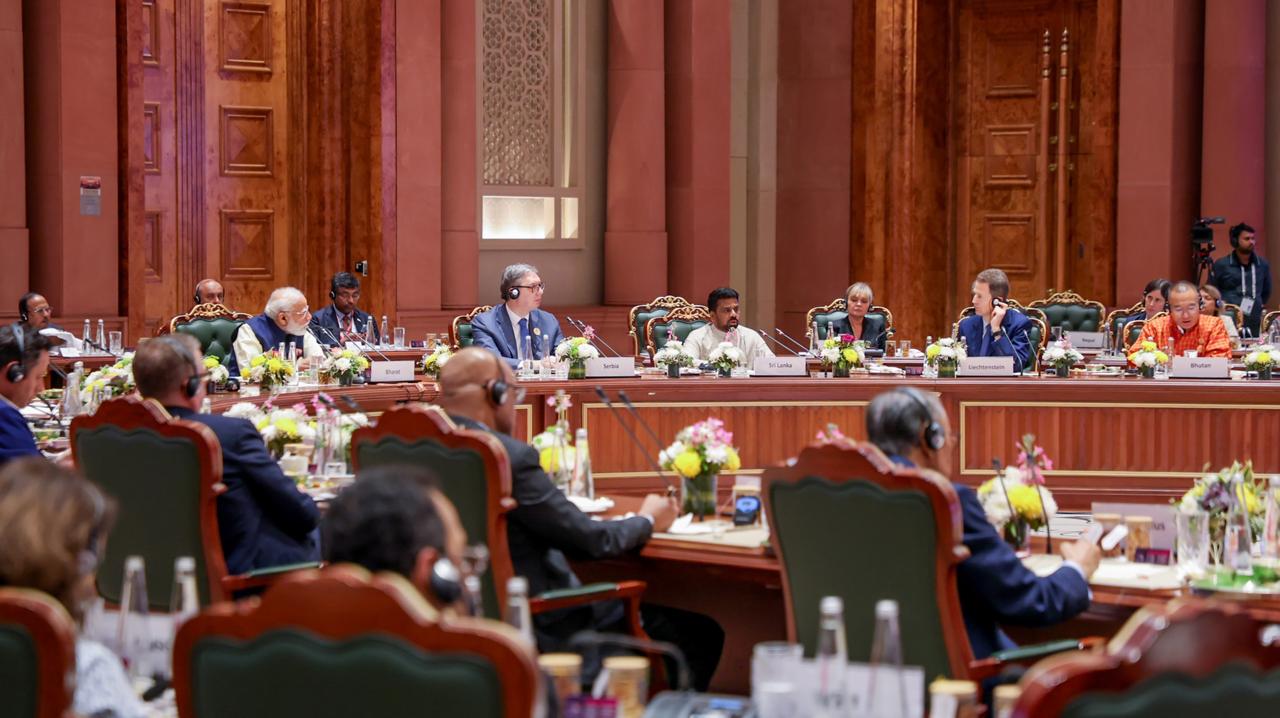
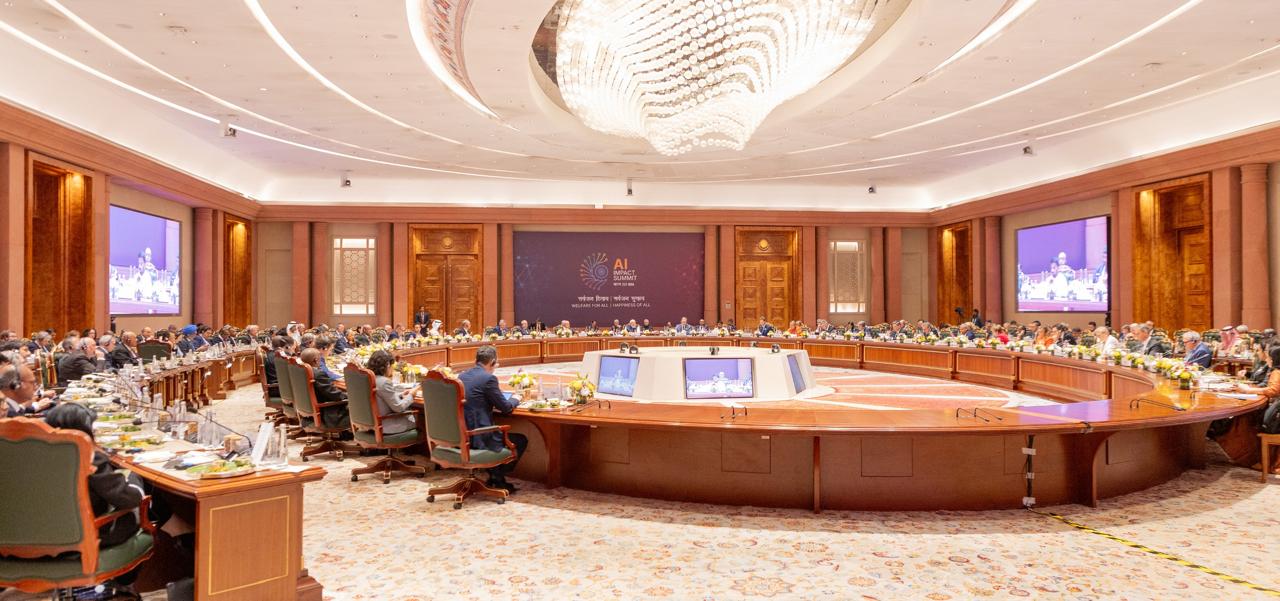
The AI Impact 2026 Summit, aimed at promoting the responsible use of artificial intelligence for the benefit of humanity, commenced its Leaders’ Session this morning (19) in New Delhi under the patronage of Indian Prime Minister Narendra Modi.

A number of Heads of State and dignitaries attended the session, including President Anura Kumara Dissanayake, French President Emmanuel Macron, Crown Prince of Abu Dhabi Sheikh Khaled bin Mohamed bin Zayed Al Nahyan, Brazilian President Luiz Inácio Lula da Silva and the Prime Minister of Bhutan, Tshering Tobgay.

On the sidelines of the summit, Heads of State also visited the exhibition organised at Bharat Mandapam in New Delhi. All participating leaders and delegates later posed for a group photograph.

Delivering his address at the Leaders’ Session of the AI Impact 2026 Summit, President Dissanayake stated: “It is a great honour to join you in New Delhi at this defining moment when artificial intelligence is transforming economies, governance systems and societies. AI is a transformative force that will have a profound impact on national development trajectories; much like industrialisation did in previous centuries.

However, the widening gap between countries empowered by AI and those lacking such capabilities poses a serious risk of fragmentation in the digital economy. Countries that fall behind could face further marginalisation from global growth and emerging economic opportunities, thereby jeopardising the inclusive, equitable and sustainable development goals we aspire to achieve.

Like many emerging economies, Sri Lanka has yet to fully establish the infrastructure required to harness the full potential of AI. Therefore, a decisive moment has arrived for us to act with clarity of purpose and confidence.

Sri Lanka possesses a technologically skilled young human resource base. We also have a strong legal framework and an economic culture linked with international partnerships. We are updating legal frameworks on personal data protection and cyber security, continuing to invest in digital public infrastructure and strengthening institutions that safeguard public trust while encouraging innovation.

Globally, there is ongoing debate on the ambitions, rights and safeguards relating to AI. Yet, I wish to highlight a critical dimension that has often been overlooked, which is cultural alignment. These technologies must be utilised to further promote the cultural values and capabilities of humanity. If global AI systems are confined to only a few languages and viewpoints, there is a risk of eroding our unique cultural diversity.

For countries such as Sri Lanka and India, language and culture are not only matters of pride but also foundations of trust. Achieving such cultural alignment requires broad inclusion and preservation. Our local languages and cultural knowledge must be digitised and integrated into AI systems. At the same time, maximum attention must be given to safety and security, with mechanisms established to protect our cultural values from potential adverse impacts of AI.

Our vision is not one of isolated achievement, but of integration. We view AI infrastructure as the next frontier of economic and cultural cooperation. Accordingly, Sri Lanka proposes regional collaboration based on four core elements: affordable access, centrally governed language datasets, common evaluation frameworks and security tools, as well as integrated capacity development.

Through this endeavour, I believe that the benefits of AI can be accessed more broadly and equitably by all. In this context, Sri Lanka is exploring the development of data infrastructure with AI capabilities that can meet both national and regional needs.

By working closely with India and other nations that are emerging as global leaders in digital public infrastructure and technological skills, Sri Lanka has significant potential to establish sustainable, secure and future-ready regional AI data centre capacities.

It is our understanding that no country can build an AI-ready future alone. It is therefore encouraging that the joint declaration agreed upon in New Delhi, reflecting the views of many nations of the world and the region, underscores the importance of such cooperation.

Therefore, I wish to affirm that Sri Lanka stands ready to share common values on artificial intelligence, ensuring that no one is left behind, to learn mutually and to move forward collectively on an ethical foundation.”
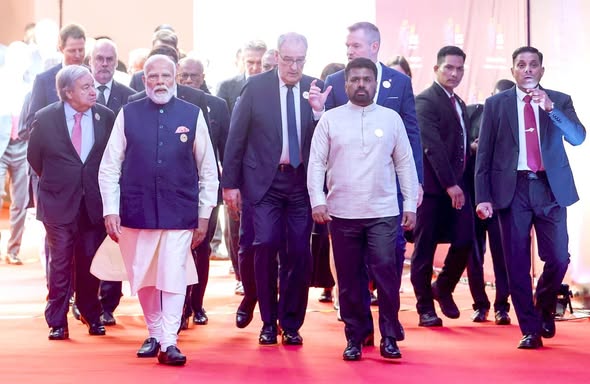
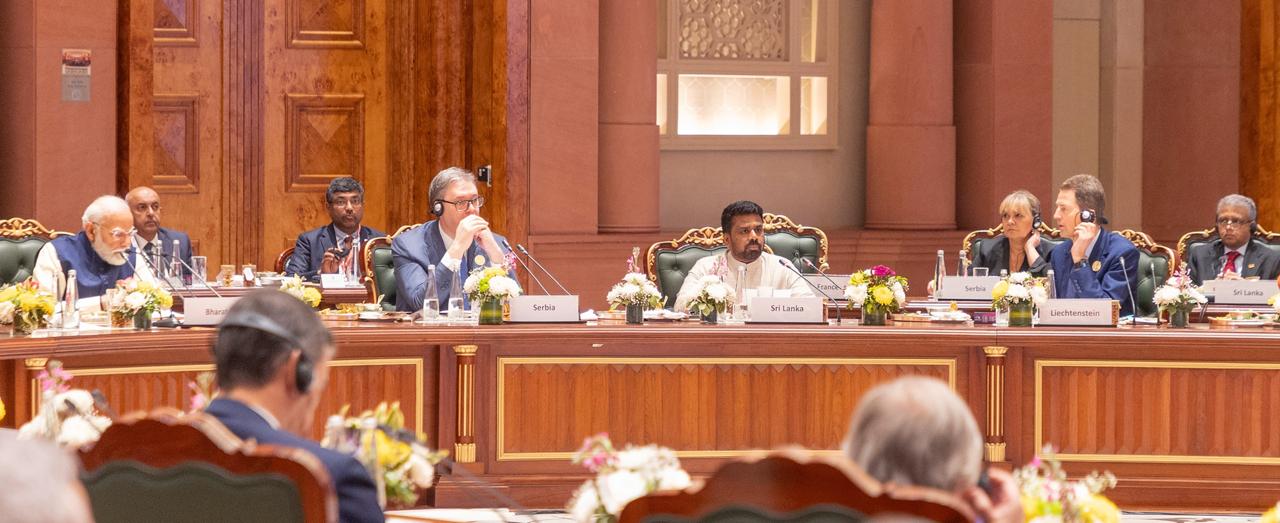
image 01image 02image 03image 05image 04image 06

ICT Division

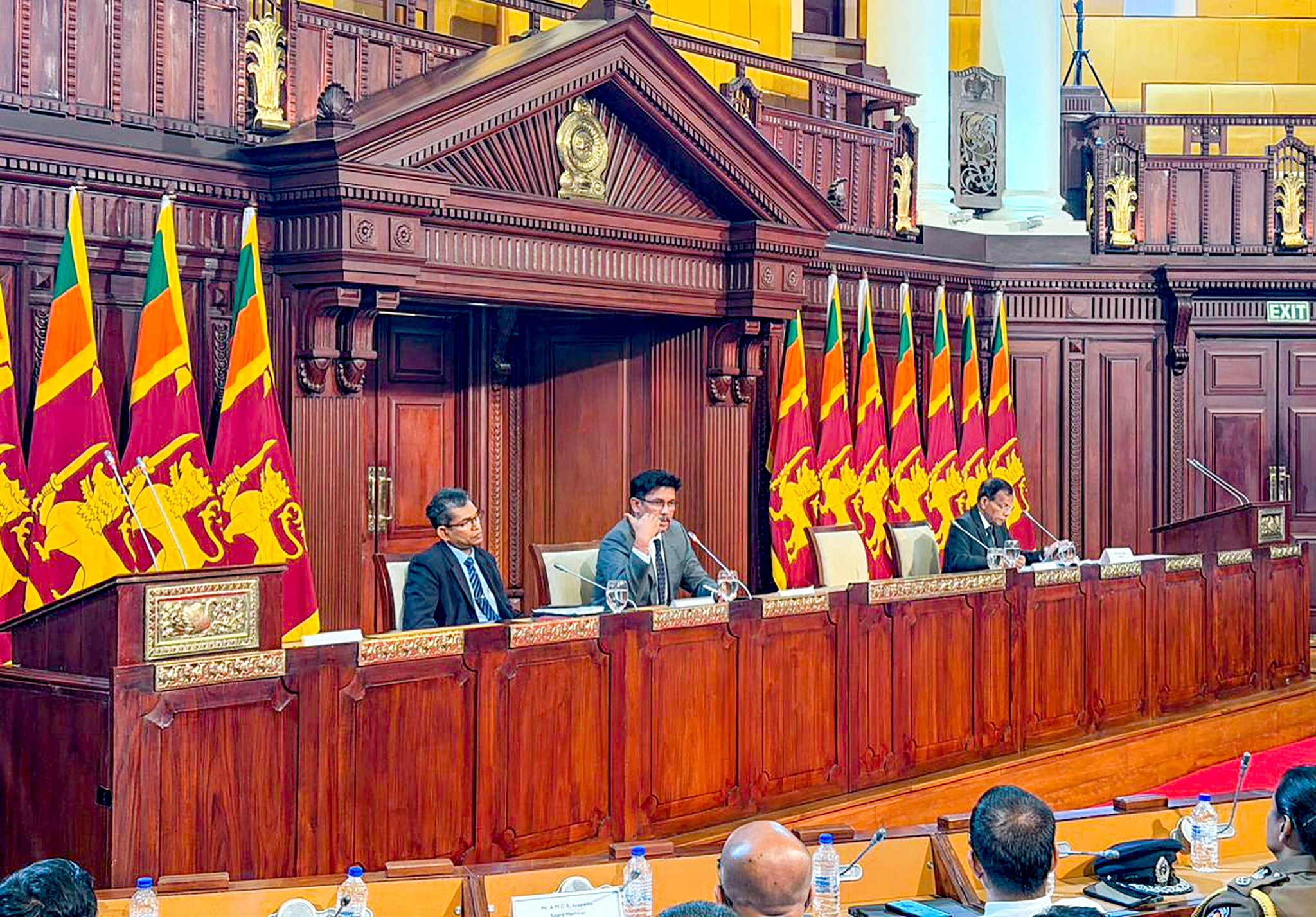
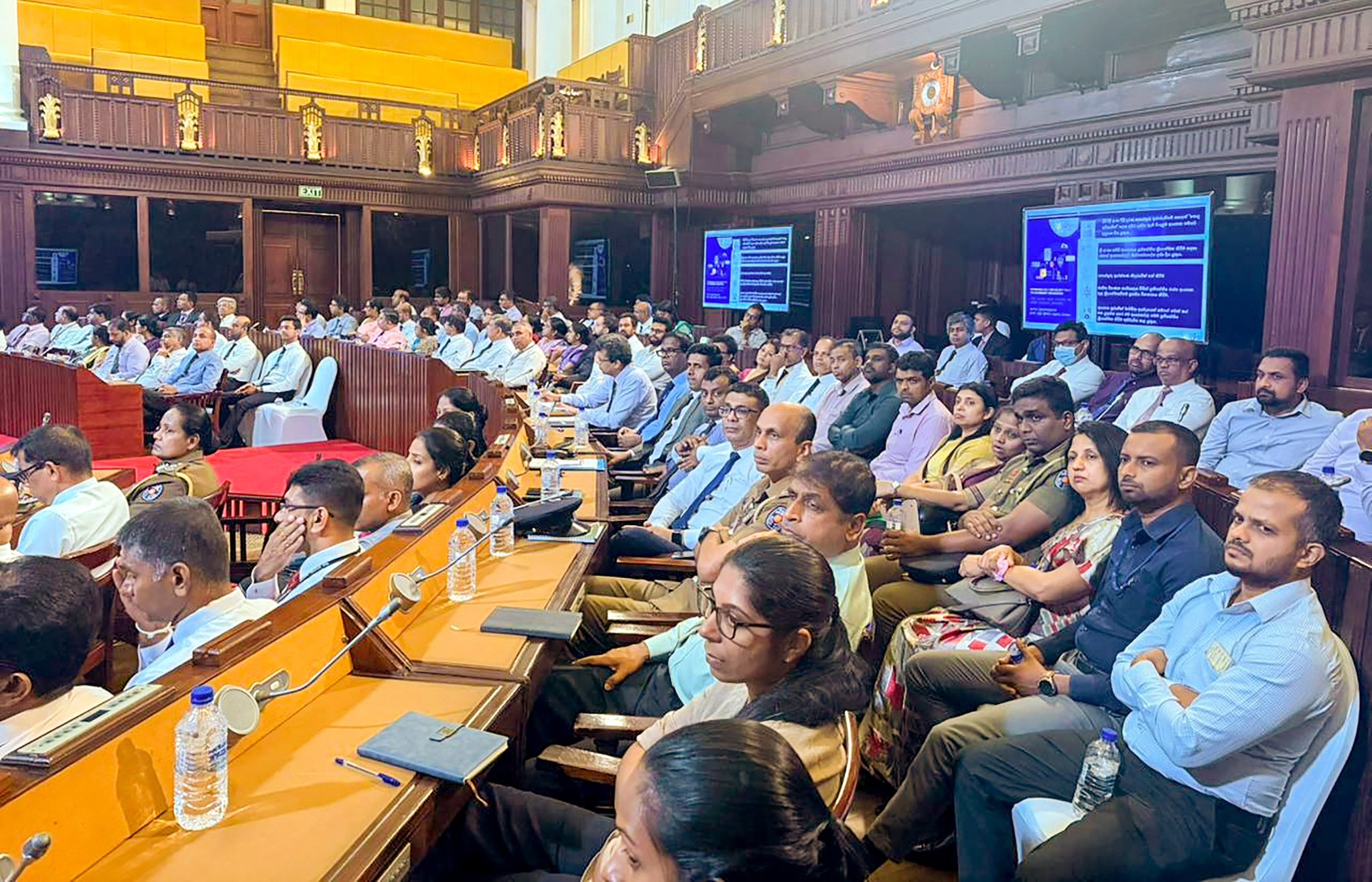
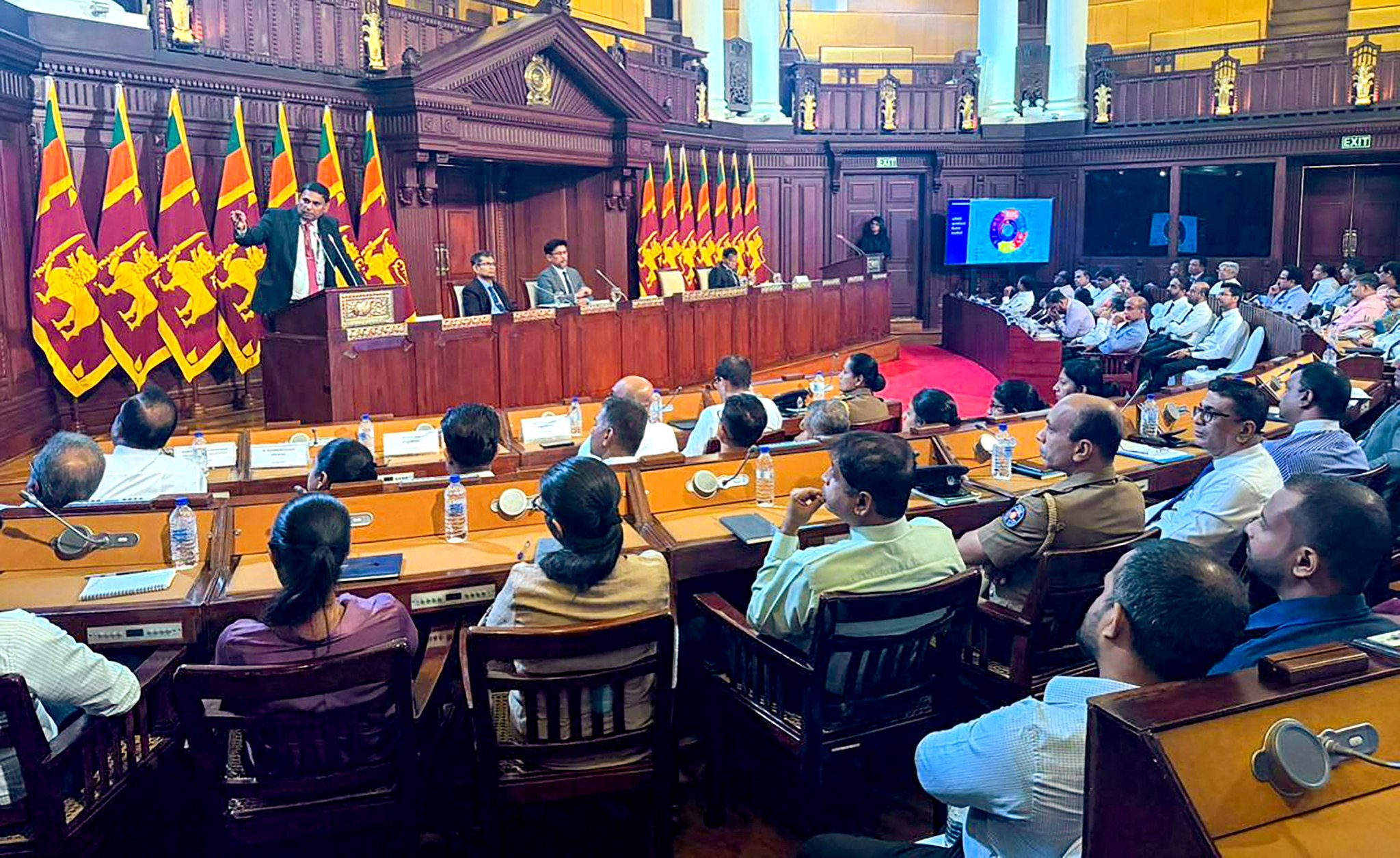
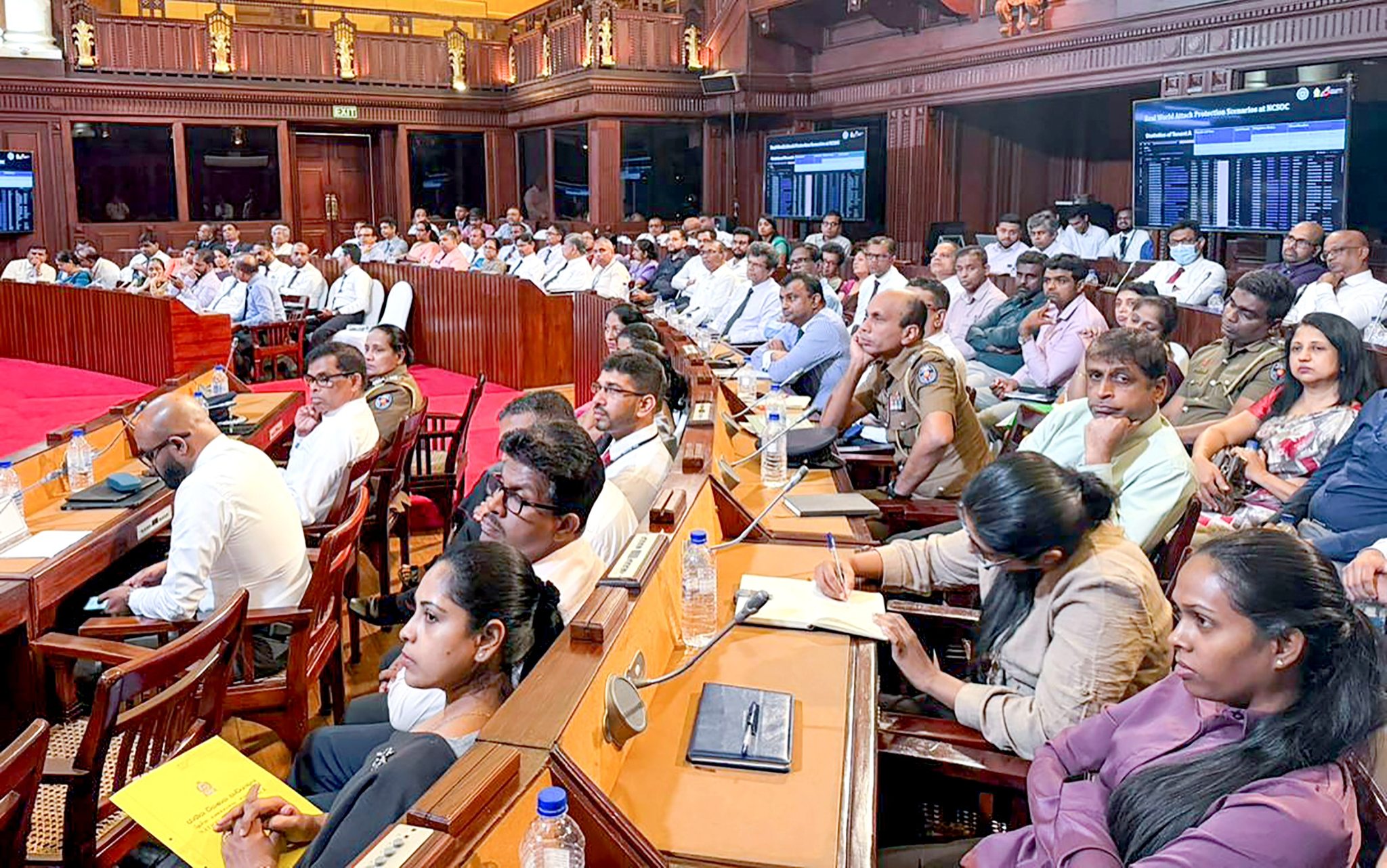
A special discussion on implementing the Cabinet decision to connect critical government institutions to the National Cyber Security Operations Centre (NCSOC) was held on 10 February 2026 at the Old Parliament Building in Colombo. Organized jointly by Sri Lanka CERT and the Ministry of Digital Economy, this session can be identified as a decisive step toward strengthening the country’s national cyber security framework.

It was emphasized during the discussion that cyber security in the modern world is no longer merely a technical concern, but a matter of national importance that directly impacts national security, economic stability, and public trust.

Special attention was given to connecting all government institutions that operate critical information infrastructure to the National Cyber Security Operations Centre. Policy-level decisions required for this initiative have already been approved through Cabinet decisions, and the second phase, connecting remaining government institutions to the cyber security centre, is scheduled to be implemented by the end of this year. Priority will be given to critical state institutions, which are also planned to be audited through the National Audit Office.

In addition, the importance of properly implementing awareness and training programmes on digital security for all public sector officials was highlighted during the session.

It was further stated that as Sri Lanka moves towards a digital economy, cyber resilience must be considered a fundamental component of governance and public service delivery. The new mechanism is expected to help prevent and manage disruptions to essential services in the face of cyber threats such as defacement of government websites, ransomware attacks, and data breaches. Through the National Cyber Security Operations Centre, government institutions will gain access to real-time threat monitoring, early warning systems, and coordinated incident response capabilities. As such, this initiative was described not merely as a compliance exercise, but as an investment in institutional credibility and resilience.

The event was attended by the Hon. Deputy Minister of Digital Economy, Eng. Eranga Weeraratne; Acting Secretary to the Ministry of Digital Economy, Waruna Sri Dhanapala; officials from the Presidential Secretariat; Chairman of Sri Lanka CERT, Tilak Pathirage; Chief Executive Officer of Sri Lanka CERT, Dr. Kanishka Karunasekera; along with several other officials. A number of heads and senior officials from government institutions identified as operating critical information infrastructure also participated in the discussion.

image 01image 02image 03image 05image 04image 06

ICT Division

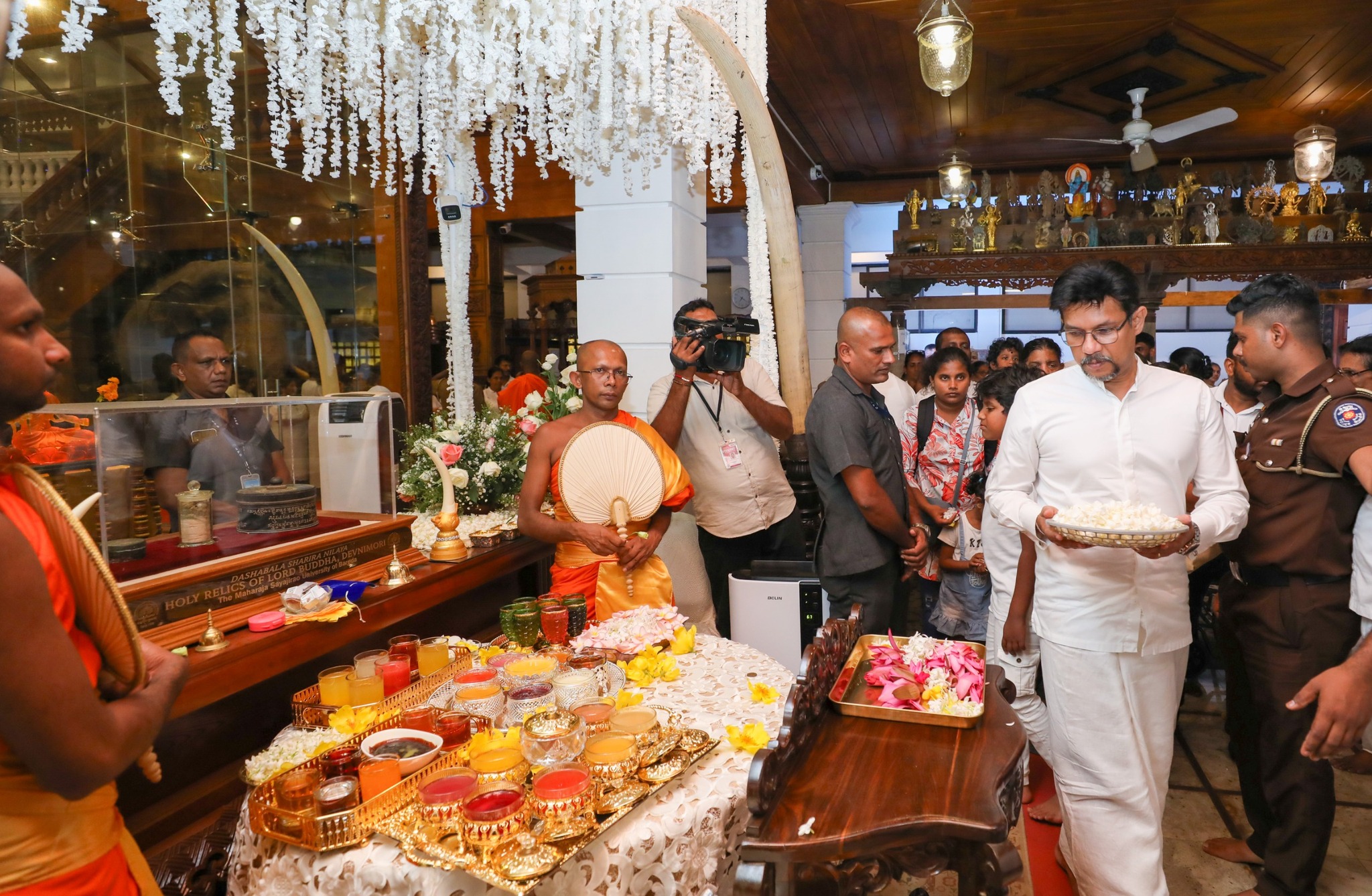
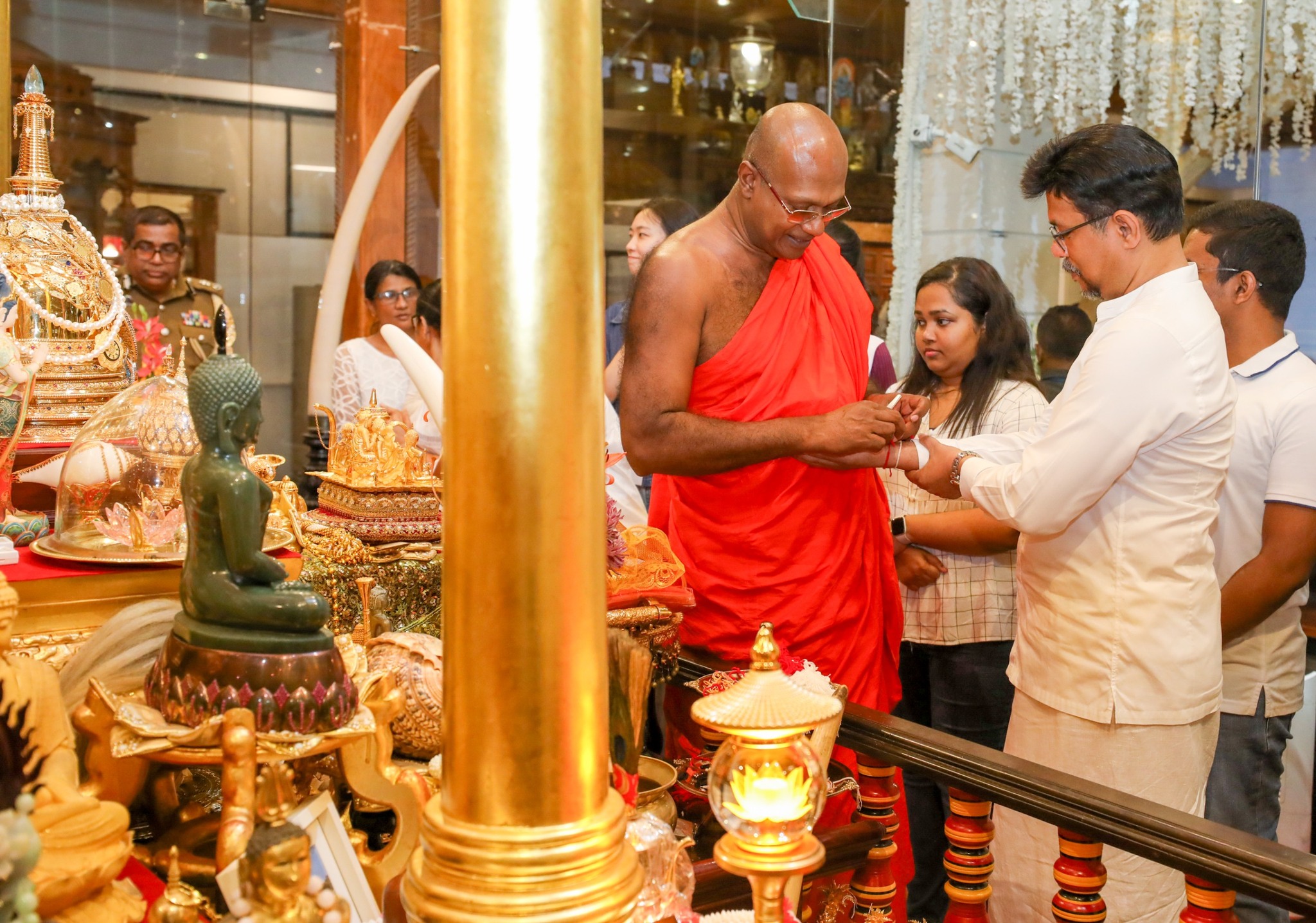
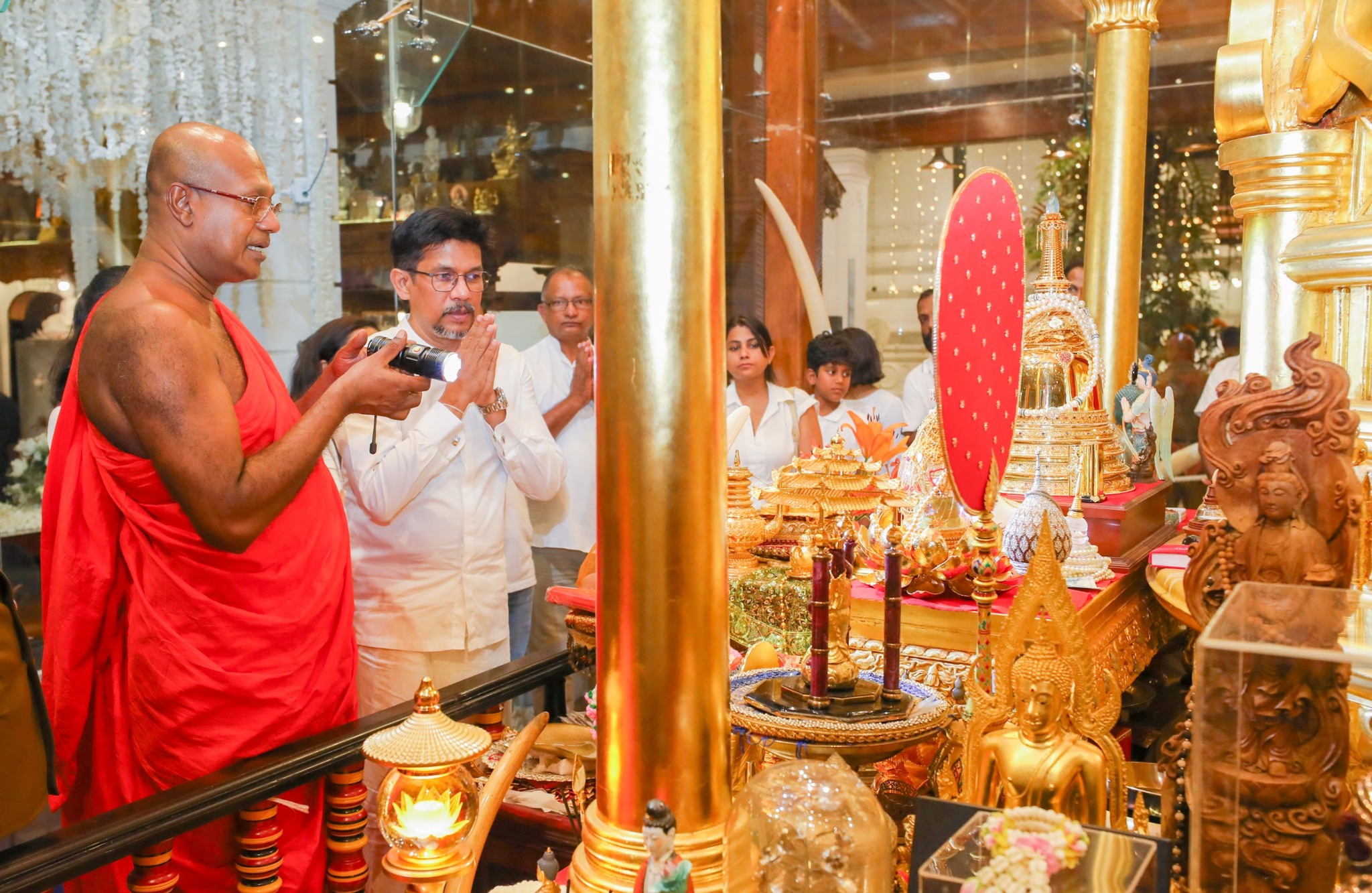
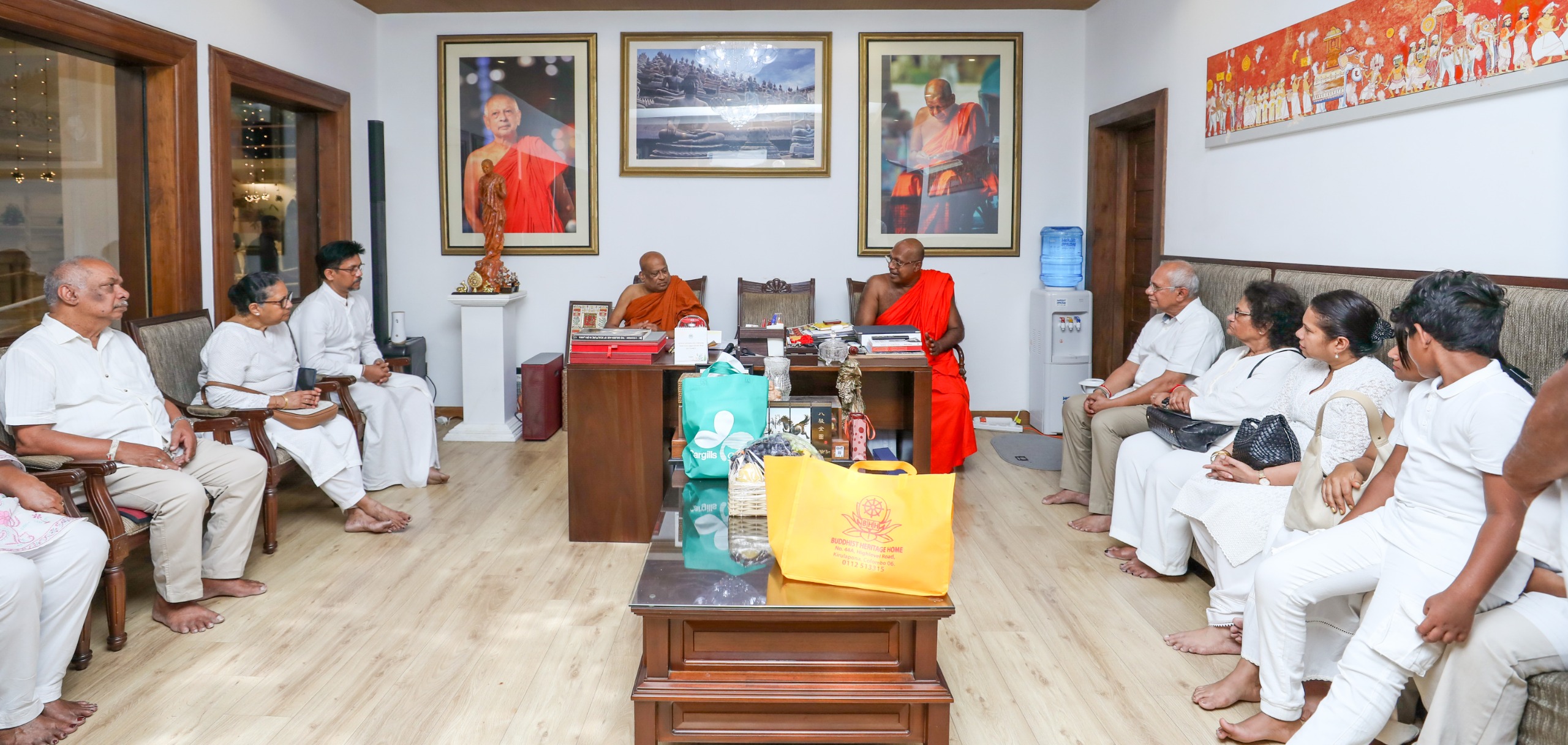
The historically significant Devani Mauri Sacred Relics of the Omniscient Buddha (Sarvagna Dhathu), which have been kept under the highest security at the Baroda Museum in India and have never before been taken outside India, are being exhibited for the first time for the veneration of the Sri Lankan public at the Gangaramaya Temple in Hunupitiya, Colombo.

Highlighting this special occasion, Deputy Minister of Digital Economy Eng. Eranga Weeraratne, who visited the Gangaramaya Temple yesterday (07), made these remarks to the media after paying homage to the Sacred Relics.

The Deputy Minister stated that the Sacred Relics will be on public display continuously for 24 hours a day over a period of seven days, from February 5 to February 11. He further noted that this is an extremely rare opportunity for the Buddhist community of Sri Lanka, one that may occur only once in a lifetime and that all necessary arrangements have been made to ensure its success.

Anticipating a very large number of devotees, he added that maximum facilities and organizational measures have been arranged, centered around the temple premises, to accommodate those coming to pay their respects. The Deputy Minister respectfully invited the entire population of the country to take this opportunity to witness and venerate the Sacred Relics in person. He also stated that the government, together with the temple’s lay committee, has taken steps to provide necessary security and guidance for both local and foreign devotees, and urged the public not to miss this rare and precious occasion.

image 01image 02image 03image 05image 04image 06

ICT Division

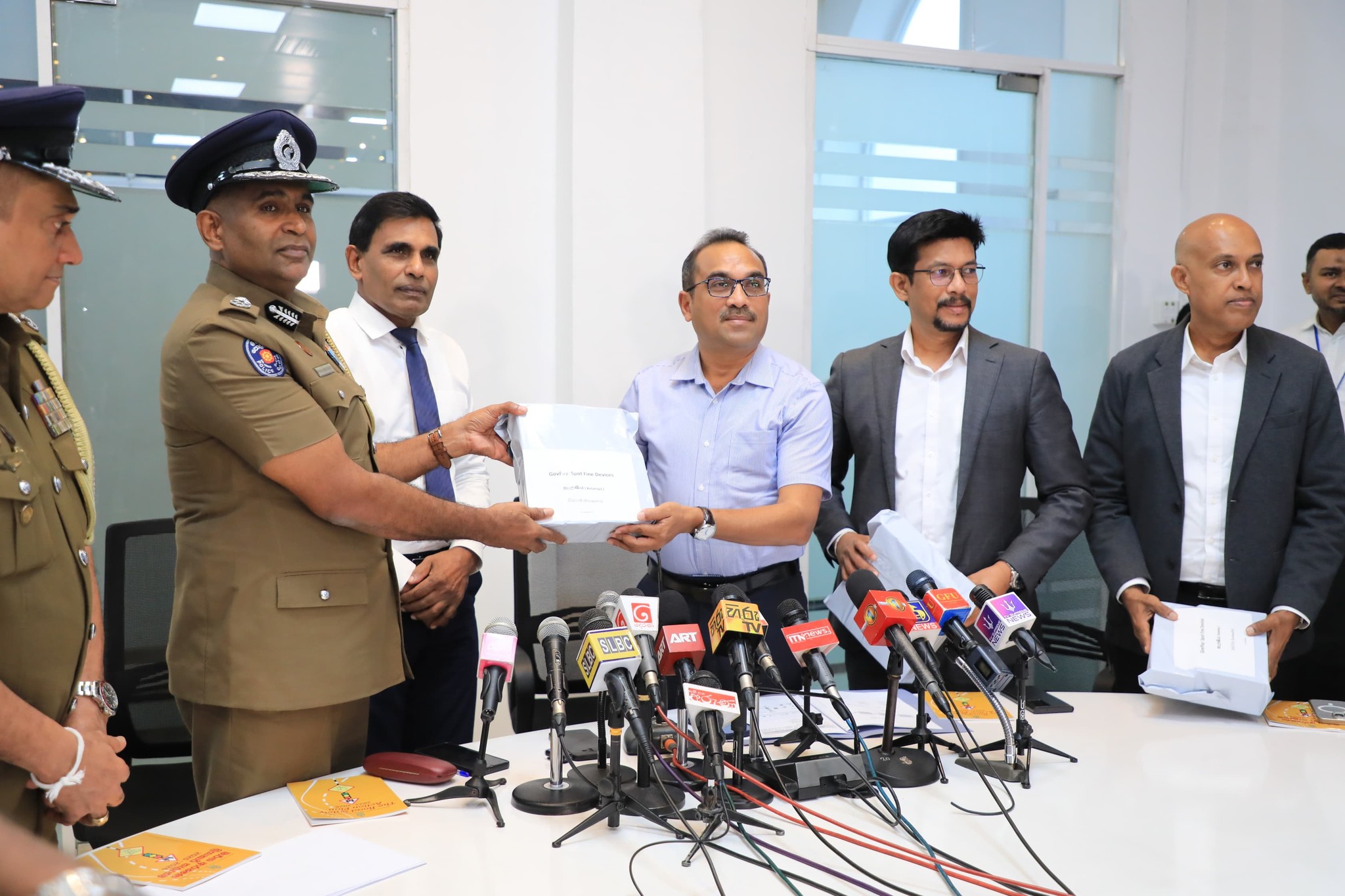
Elevating Sri Lanka’s digital governance framework to a new level, the nationwide implementation of the ‘GovPay’ digital traffic fine payment system was successfully completed on 3rd February 2026. Launched initially as a pilot project in April 2025 across 11 police stations, the initiative has now been systematically expanded to cover all nine provinces of the country. More than just a technological solution, this marks a significant step towards delivering a more efficient, transparent, and citizen-centric public service.

Since its inception, the project has enabled the government to collect over LKR 115 million in traffic fines through digital channels, with the number of successful digital transactions exceeding 86,000. Payments can be made via all leading banks and fintech applications in the country. A key highlight is that, from this week onwards, the public can also pay traffic fines in cash through over 55,000 Dialog eZ Cash agents islandwide, greatly enhancing accessibility and convenience.

This major achievement is the result of the collective commitment and collaboration of multiple stakeholders, including the Ministries of Digital Economy, Transport, and Public Security, along with the Sri Lanka Police, Information Communication Technology Agency of Sri Lanka (ICTA), LankaPay, and Sri Lanka Telecom (SLT). Initiated in November 2024, the project has reached national-scale success through continuous training programmes and coordinated operational processes. Going forward, drivers will be able to pay fines instantly (on-the-spot) from anywhere and promptly retrieve their driving licences, offering a significant and tangible benefit to the wider Sri Lankan public.

image 01image 02image 03image 05image 04image 06

ICT Division

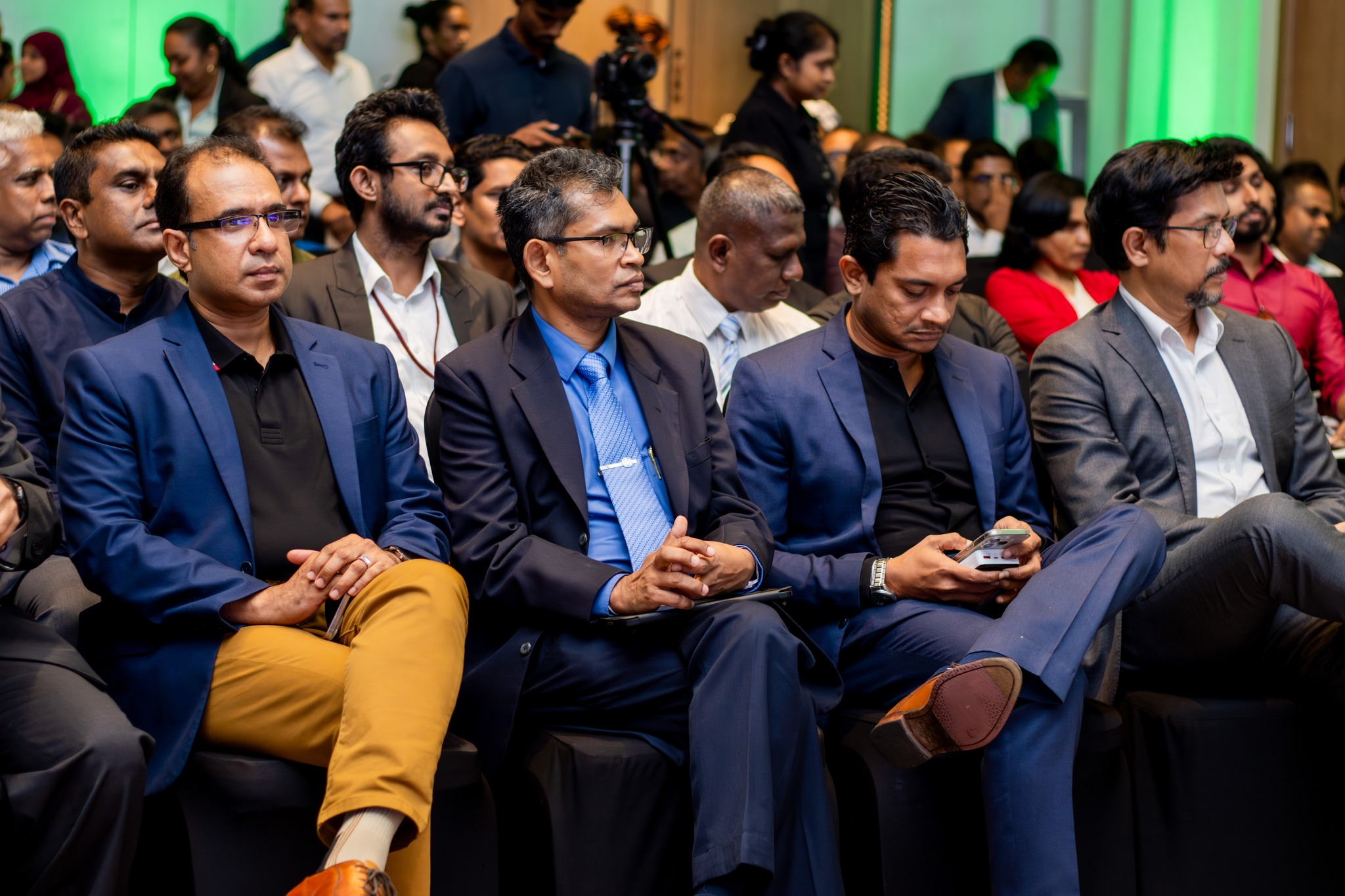
The “Tech Leaders Connect ‘26” conference, organized by the BCS Sri Lanka Section (BCS The Chartered Institute for IT (Sri Lanka Section) , the country’s leading professional body in the field of information technology, was successfully held recently at the Courtyard by Marriott, Colombo. The primary objective of the event was to raise awareness among industry experts and policymakers about the next decade of Sri Lanka’s digital economy, along with the challenges and opportunities that lie ahead.
The Chief Guest at the event, Eng. Eranga Weeraratne, Hon. Deputy Minister of the Digital Economy, shared his views on Sri Lanka’s future digital vision and the process of transforming that vision into reality.

In his address, Deputy Minister Weeraratne emphasized that Sri Lanka’s national digital vision for the coming decade should go beyond the mere use of technology, and instead focus on building a fully integrated digital ecosystem that is closely connected with citizens’ daily lives and the national economy.

Highlighting several key priorities required to realize this vision, he stressed the importance of establishing secure digital infrastructure that is easily accessible to every citizen.

He further stated that enhancing transparency and efficiency through a data-driven system of governance, as well as fostering a culture of innovation capable of competing in global markets, are among the government’s core objectives.

The Deputy Minister also elaborated on the steps already taken by the government to turn this vision into reality. In particular, he noted that the government has given priority to accelerating digital transformation through key initiatives such as the digitalization of public services and the fast-tracking of the digital identity system.

However, he also provided an analysis of the major implementation challenges faced in this journey. He pointed out that updating outdated legal frameworks, managing required financial allocations effectively, and retaining skilled professionals within the country remain some of the most significant obstacles to successful implementation.

The keynote address of the event was delivered by Mr. Tushera Kawdawatta, Managing Director of Sysco LABS Sri Lanka.

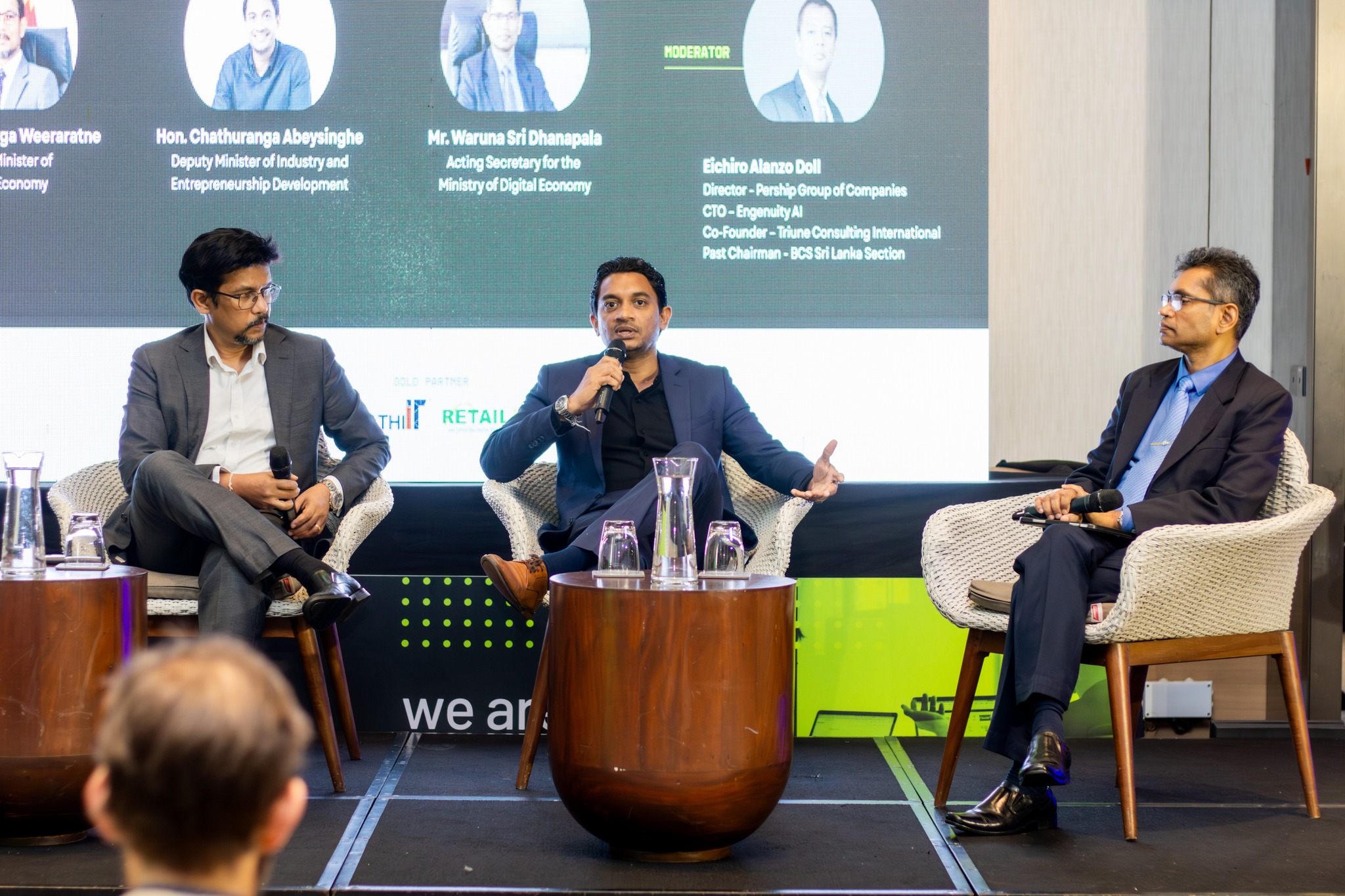
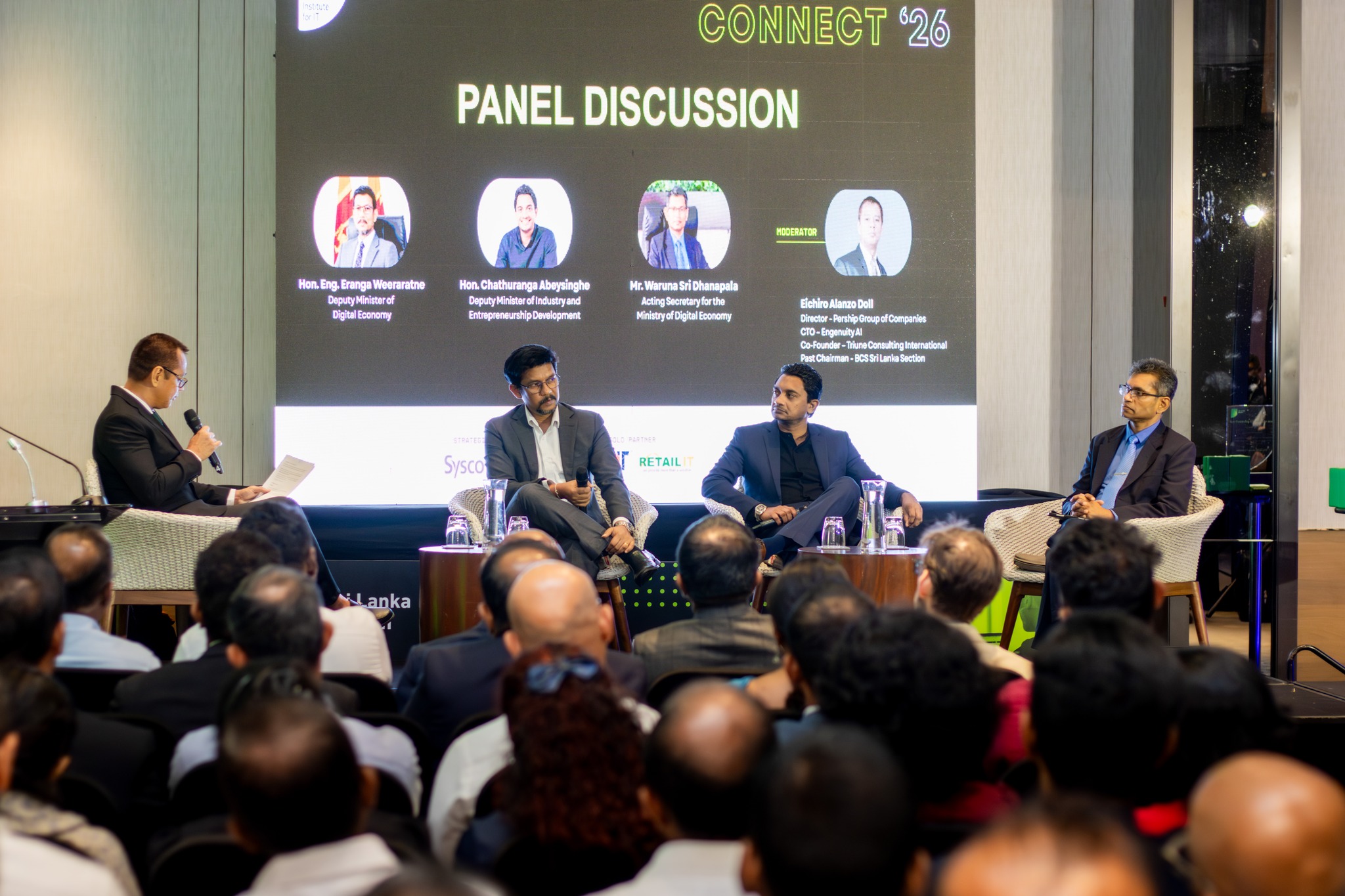
This was followed by a special panel discussion featuring Hon. Chathuranga Abeysinghe, Deputy Minister of Industry and Entrepreneurship Development, and Mr. Waruna Sri Dhanapala, Acting Secretary to the Ministry of the Digital Economy. Under the moderation of Mr. Alanzo Doll, the discussion covered a range of important topics, including industry readiness, capacity building, and the responsibilities of professional institutions.

image 01image 02image 03