ICT Division

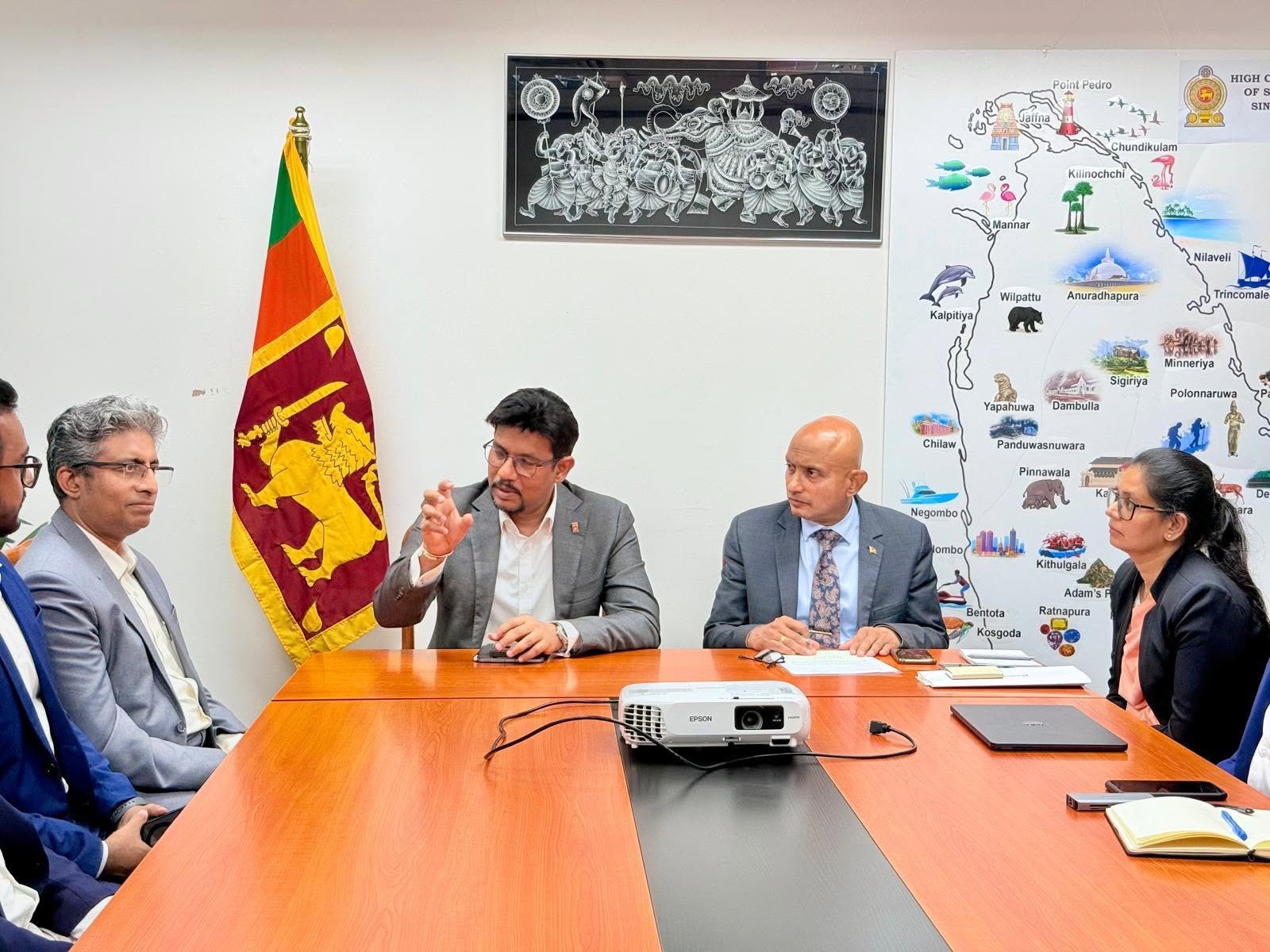
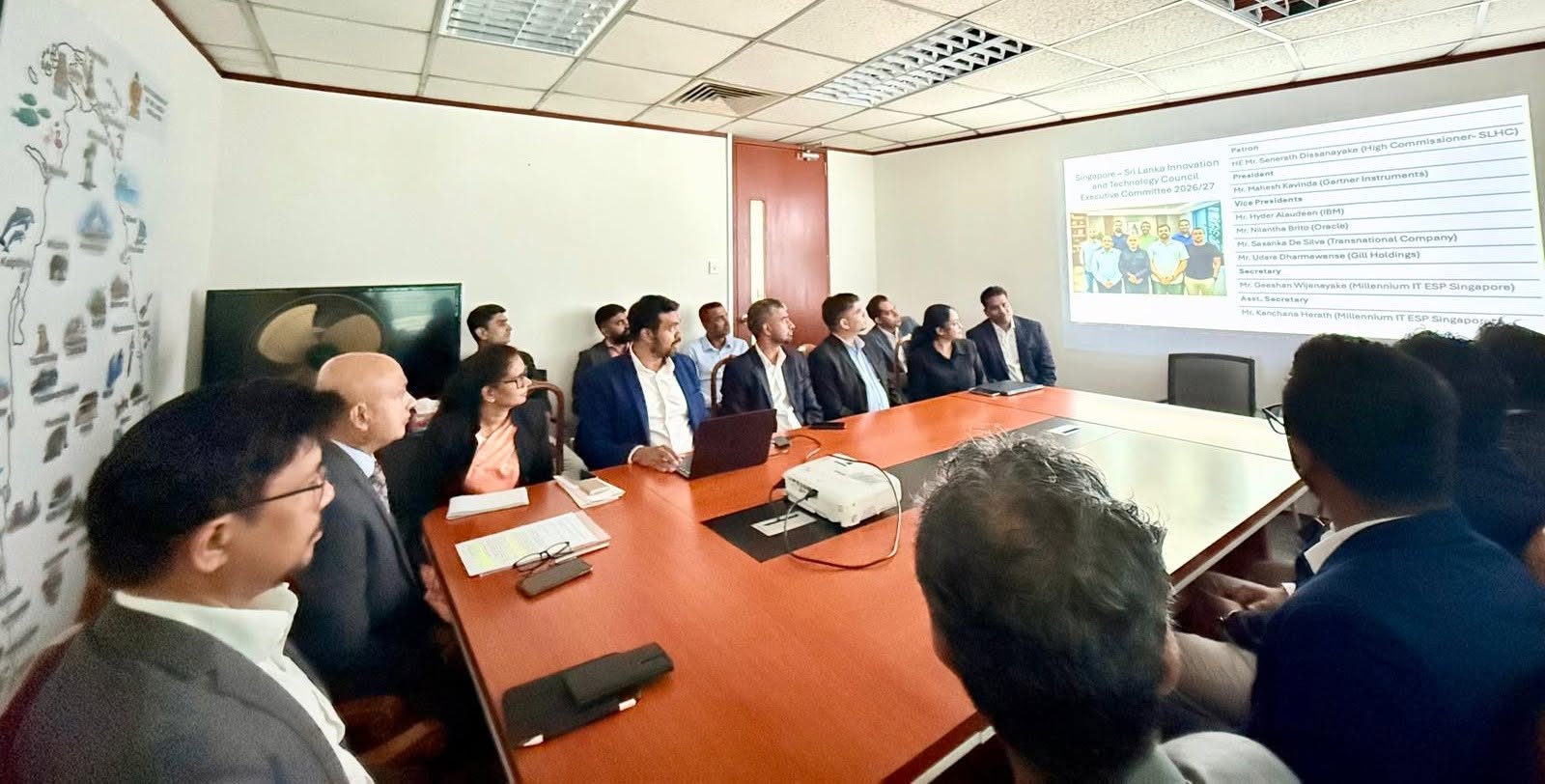
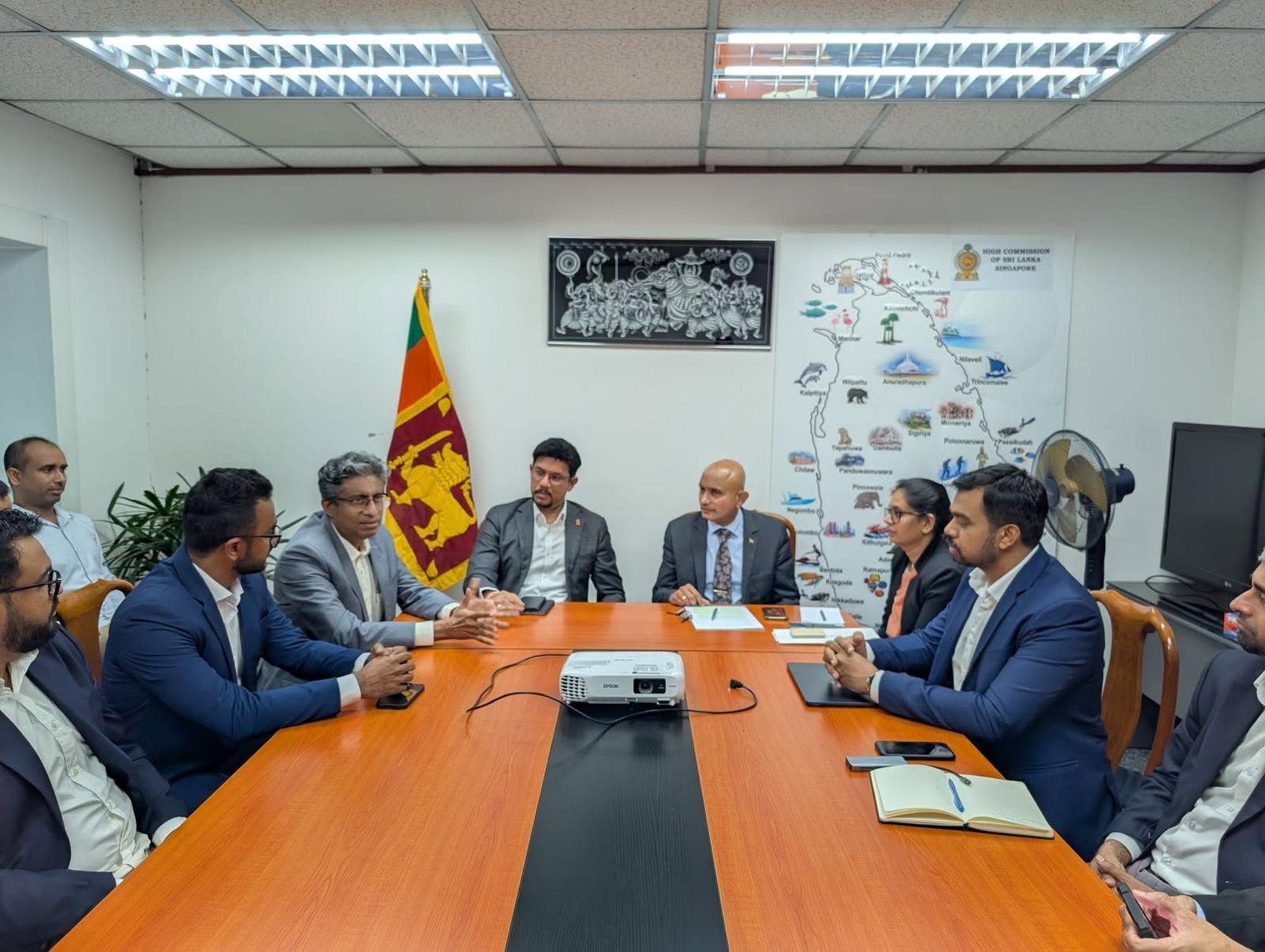
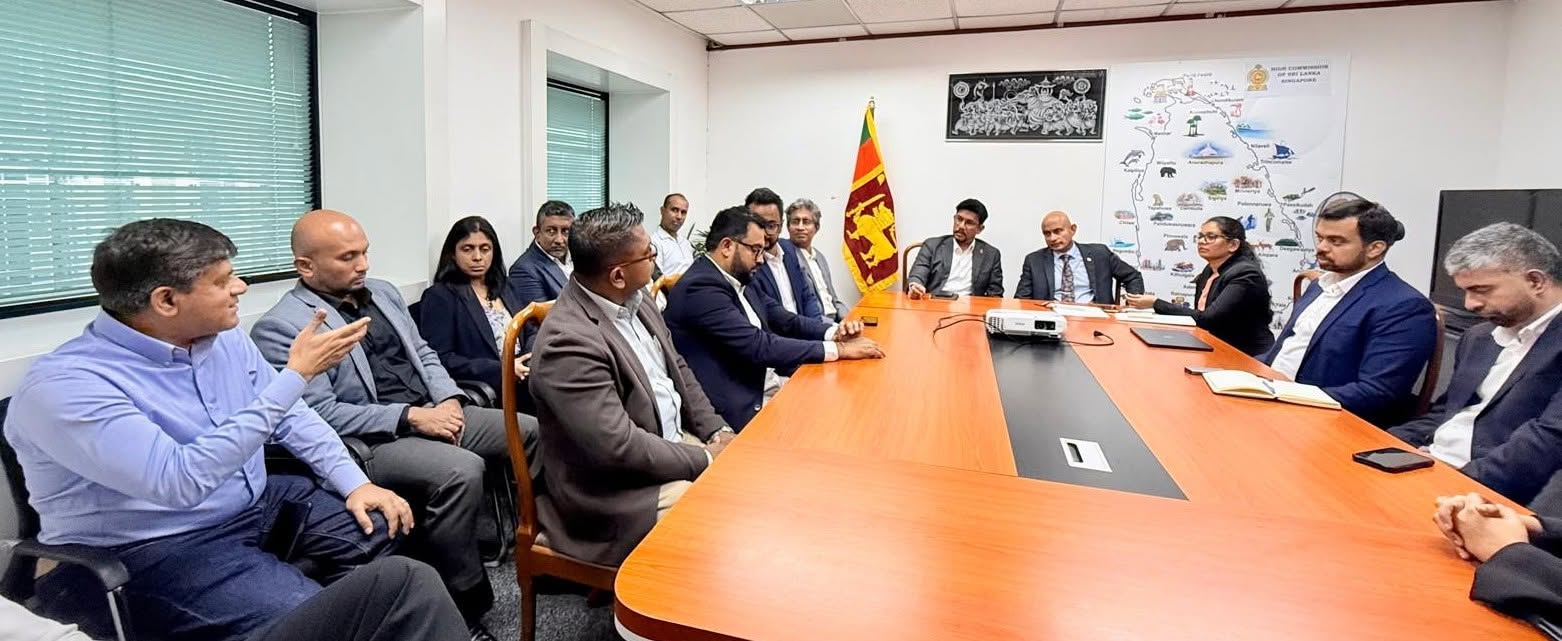
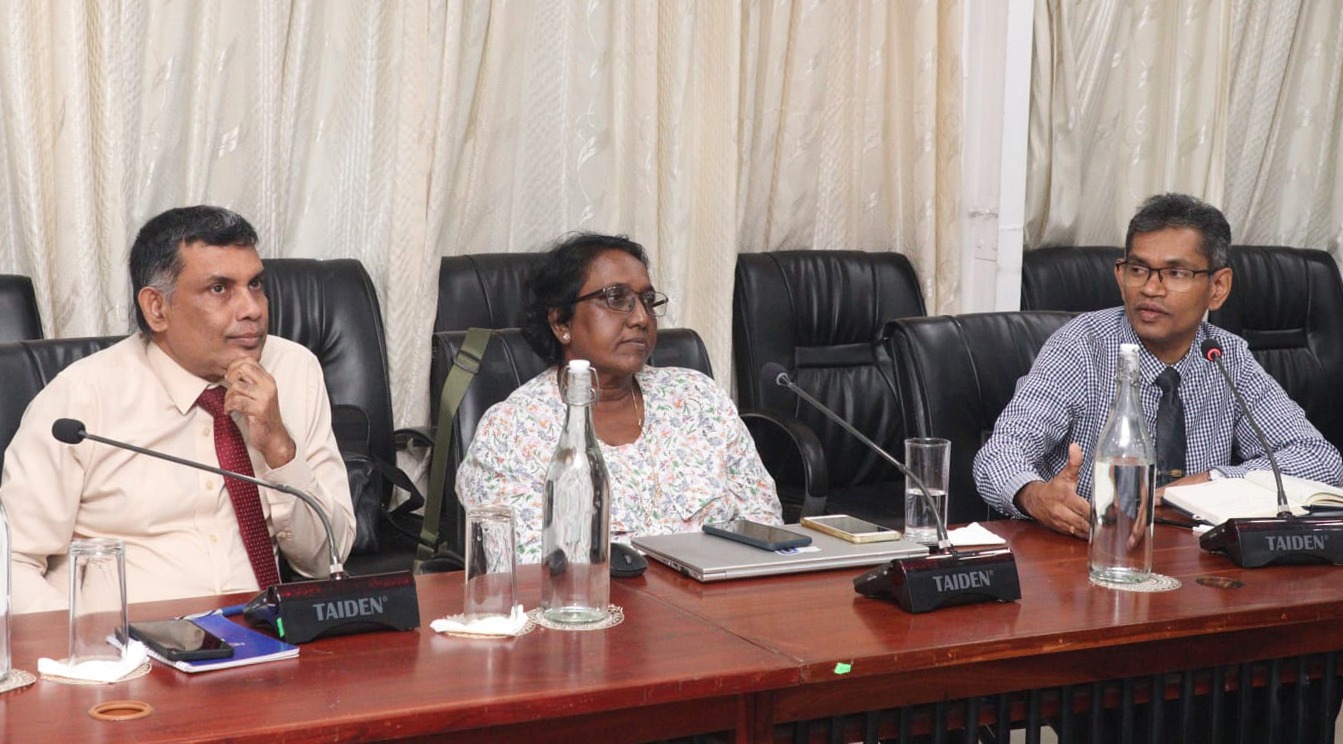
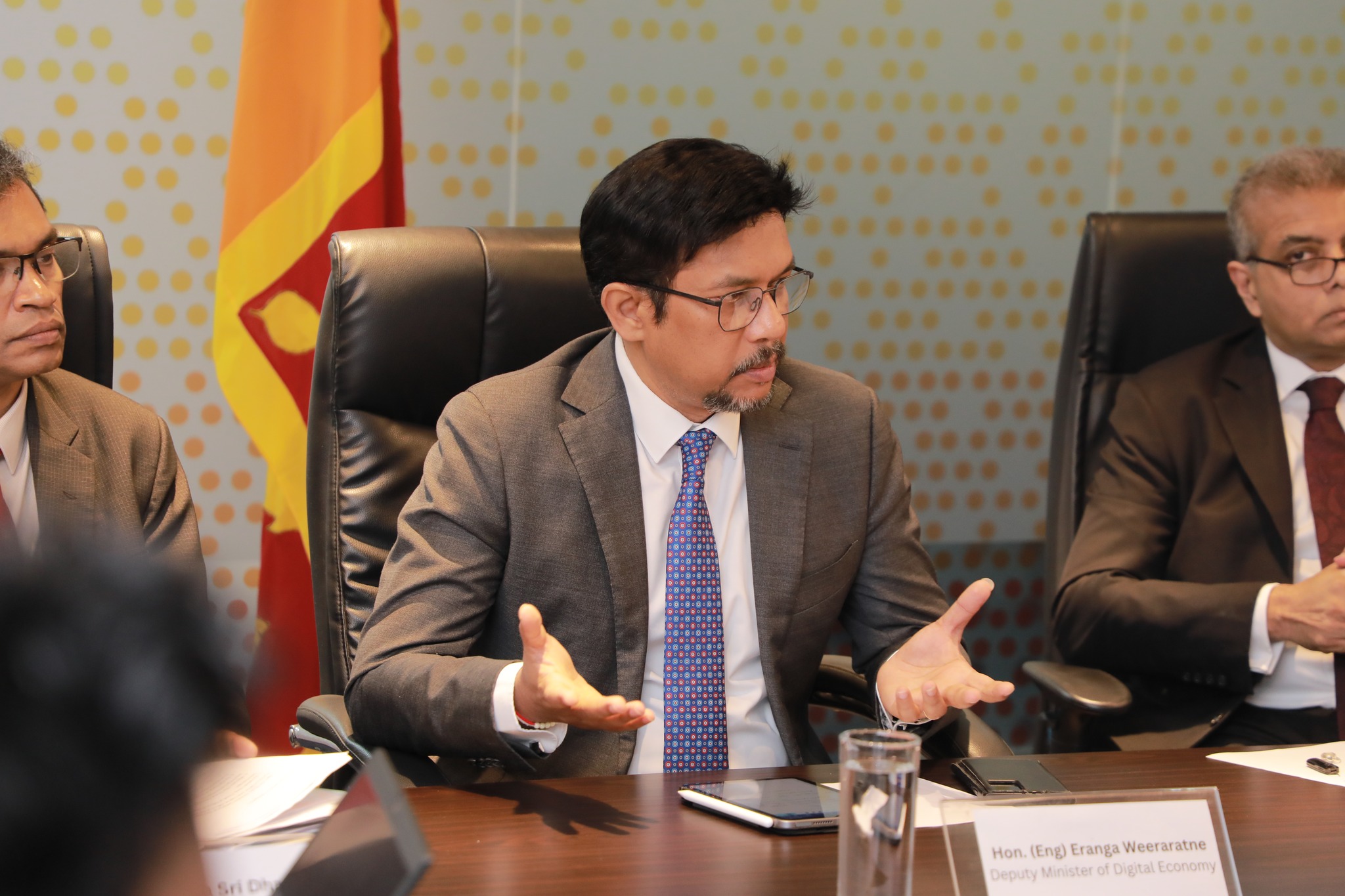
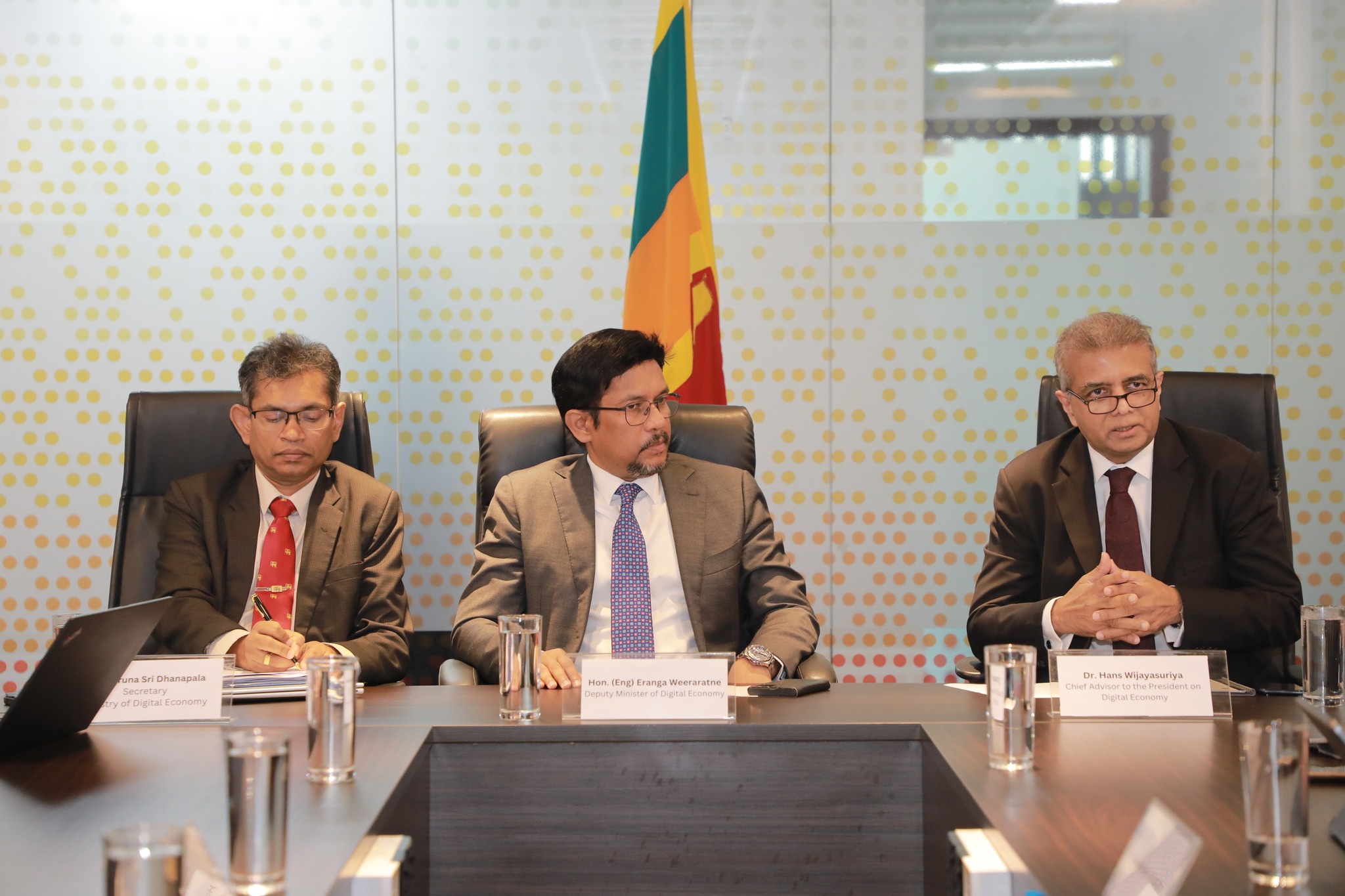
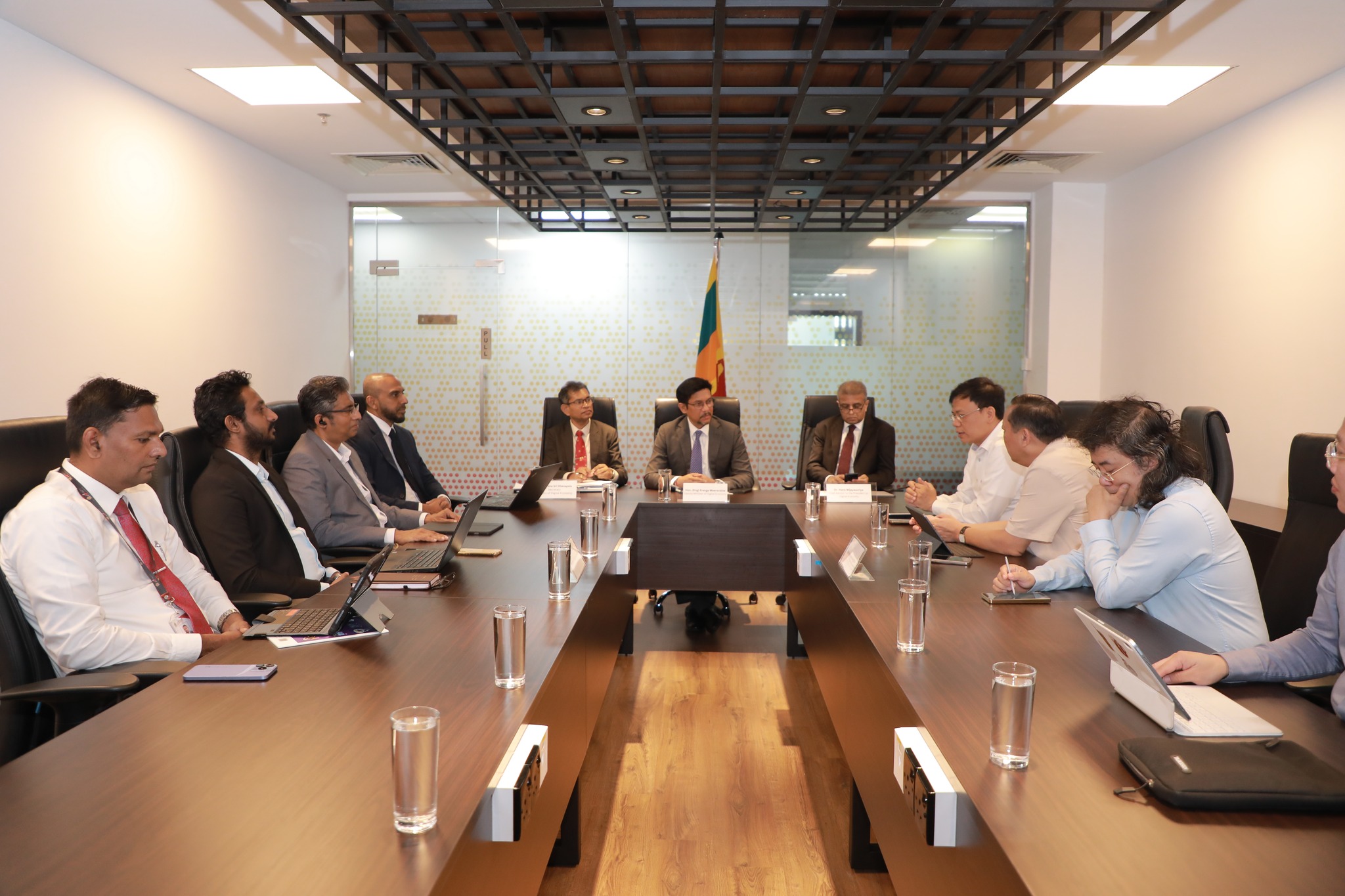
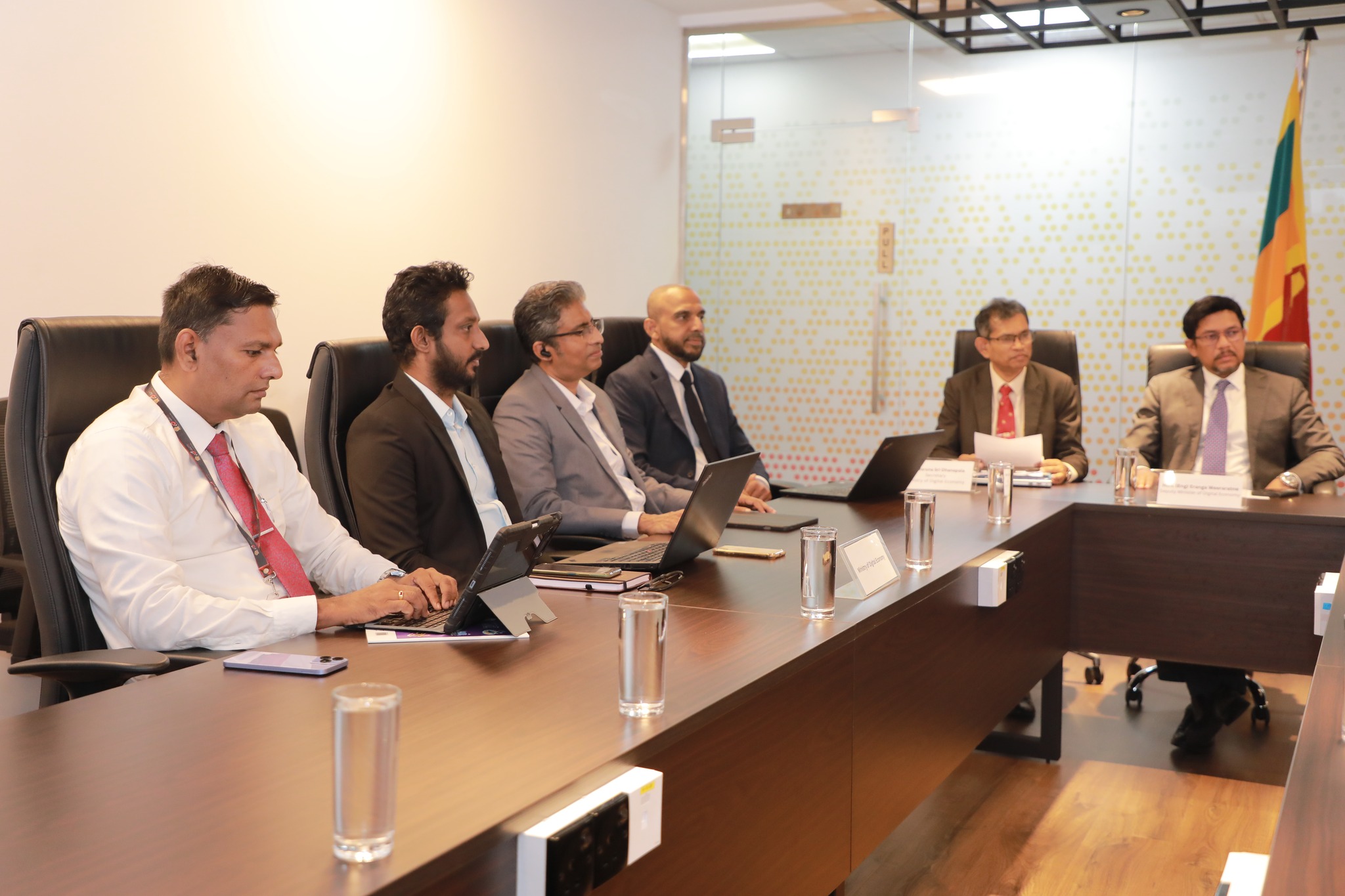
In conjunction with the recent official visit of the Hon. Deputy Minister of Digital Economy, Eng. Eranga Weeraratne, to the Asia Tech x Singapore (ATxSG) 2026 summit, the High Commission of Sri Lanka in Singapore organized a dedicated networking session with members of the Sri Lanka-Singapore Innovation and Technology Council (SSITC) on May 20, 2026.

Welcoming the delegates, High Commissioner Senerath Dissanayake highlighted the immense potential for expanding bilateral cooperation in the fields of the digital economy, innovation, and artificial intelligence (AI). The High Commissioner specifically recalled the landmark signing of the Memorandum of Understanding (MoU) on Artificial Intelligence Cooperation between Sri Lanka’s Ministry of Digital Economy and AI Singapore in July 2025. Characterizing the establishment of the SSITC as a critical milestone in bridging the technology ecosystems of both nations, he briefed the participants on ongoing initiatives undertaken by the High Commission to facilitate seamless engagement between tech stakeholders in Sri Lanka and Singapore.

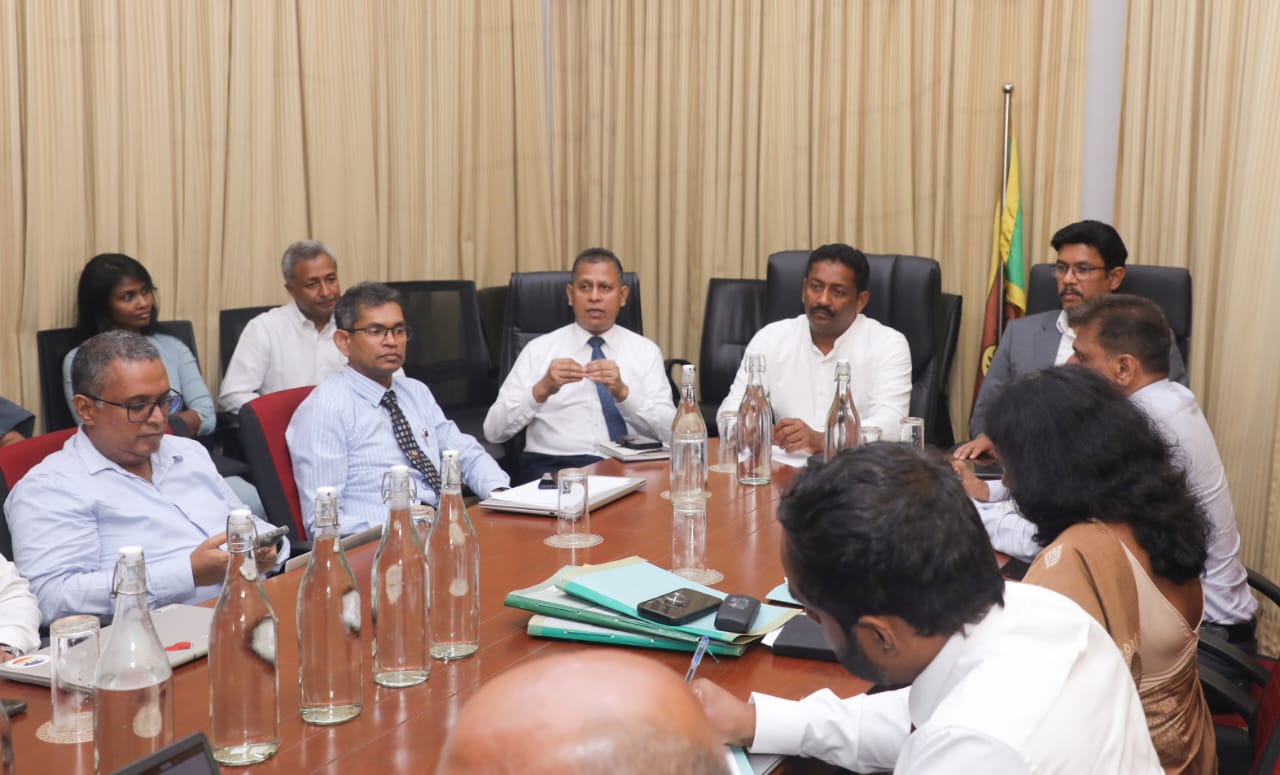
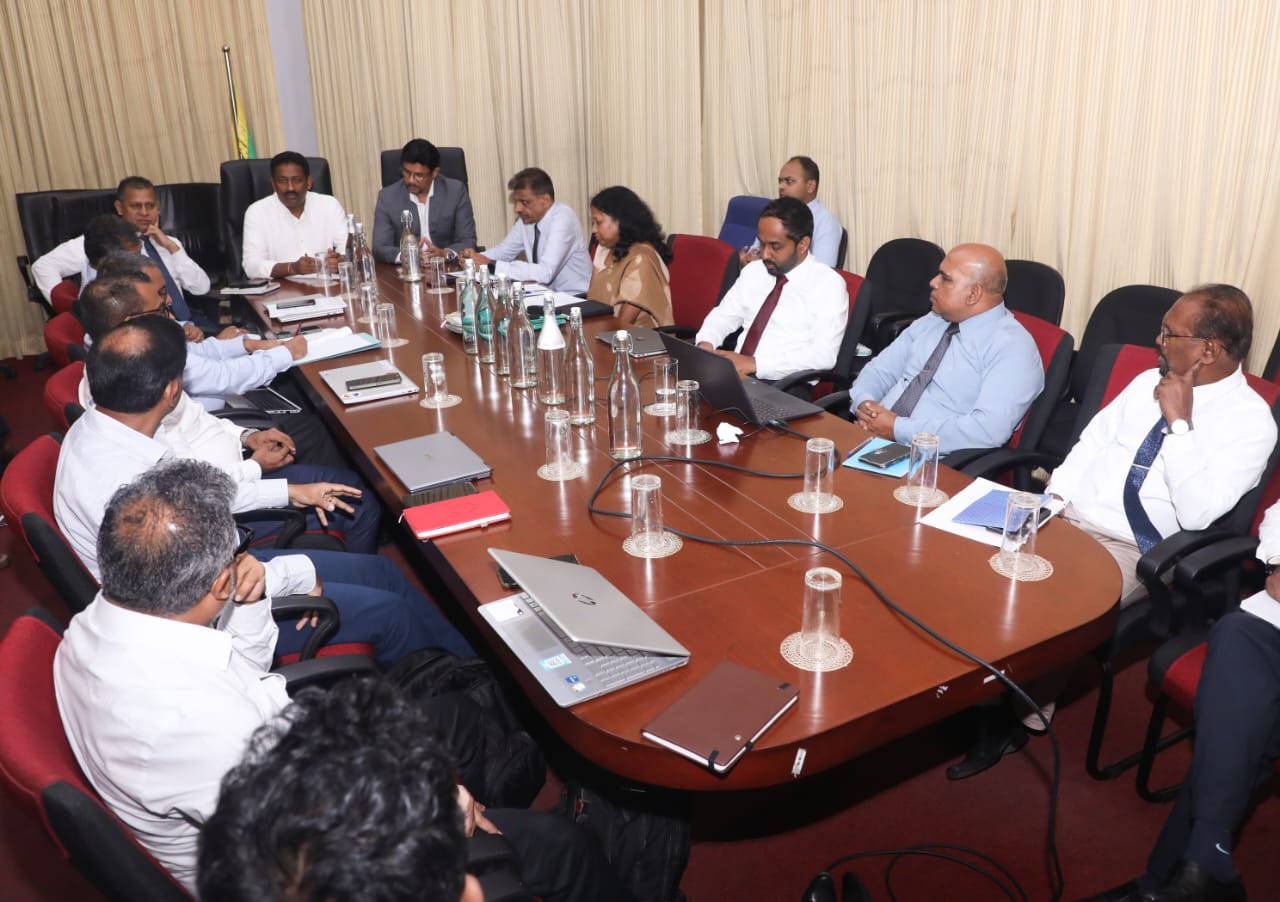
During the session, the President of the SSITC, Mr. Mahesh Kavinda, alongside the Secretary of the Council, Mr. Geeshan Wijenayake, delivered a comprehensive presentation outlining the Council’s vision and a series of strategic proposals aimed at advancing Sri Lanka’s digital transformation agenda. The submitted proposals focused primarily on strengthening cooperation across key high-priority sectors, including cybersecurity, data center development, and public sector capacity building.

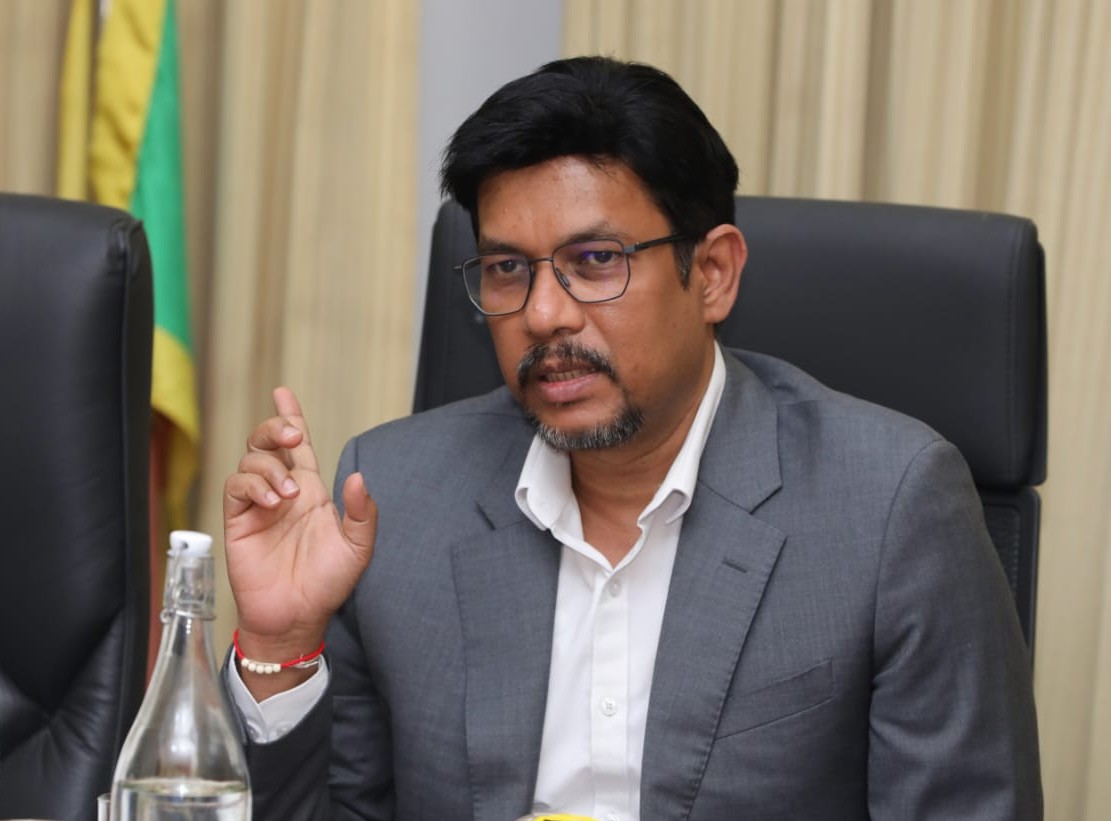
Hon. Eranga Weeraratne engaged in an interactive discussion with Council members regarding the presented blueprints and shared the Government’s core structural priorities for driving Sri Lanka’s digital economy forward. Participants exchanged insights on leveraging international expertise, cutting-edge technology, and strategic partnerships to effectively support Sri Lanka’s digital transformation and broader innovation ecosystem.

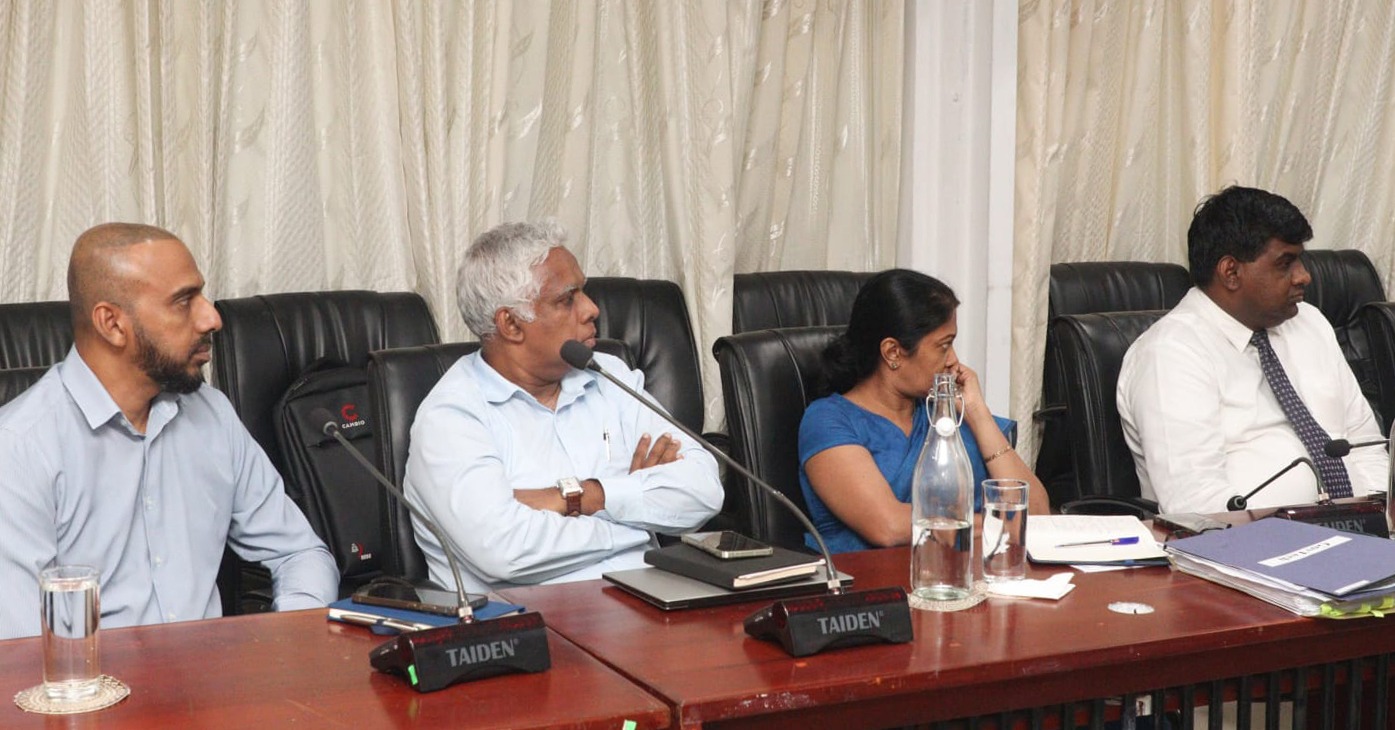
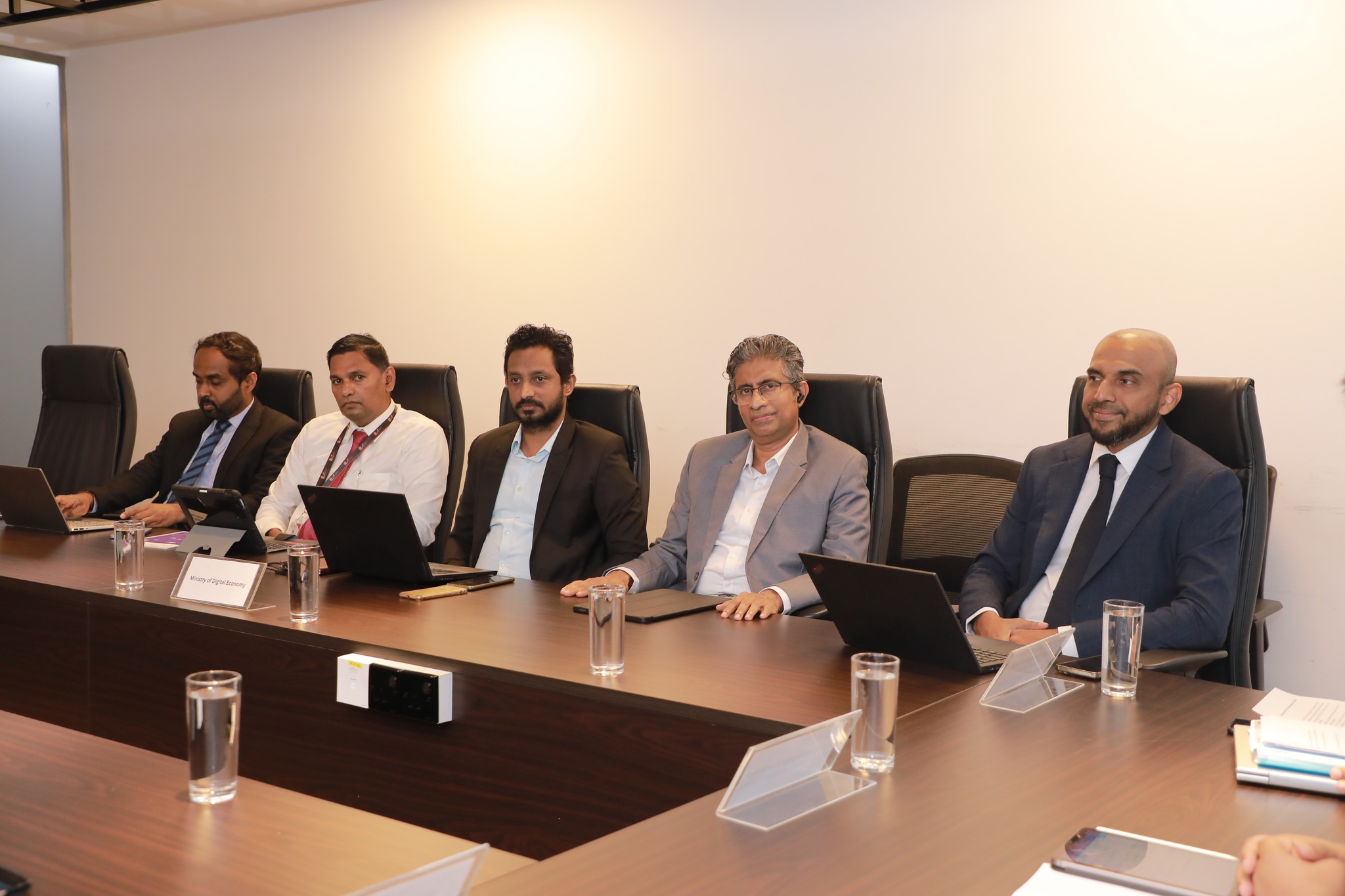
The event was attended by executive members of the SSITC, prominent representatives from Singapore’s technology sector, senior officials from the Ministry of Digital Economy of Sri Lanka, and the diplomatic staff of the High Commission of Sri Lanka in Singapore.
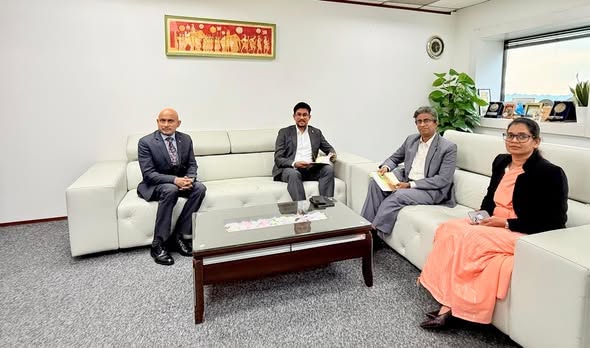
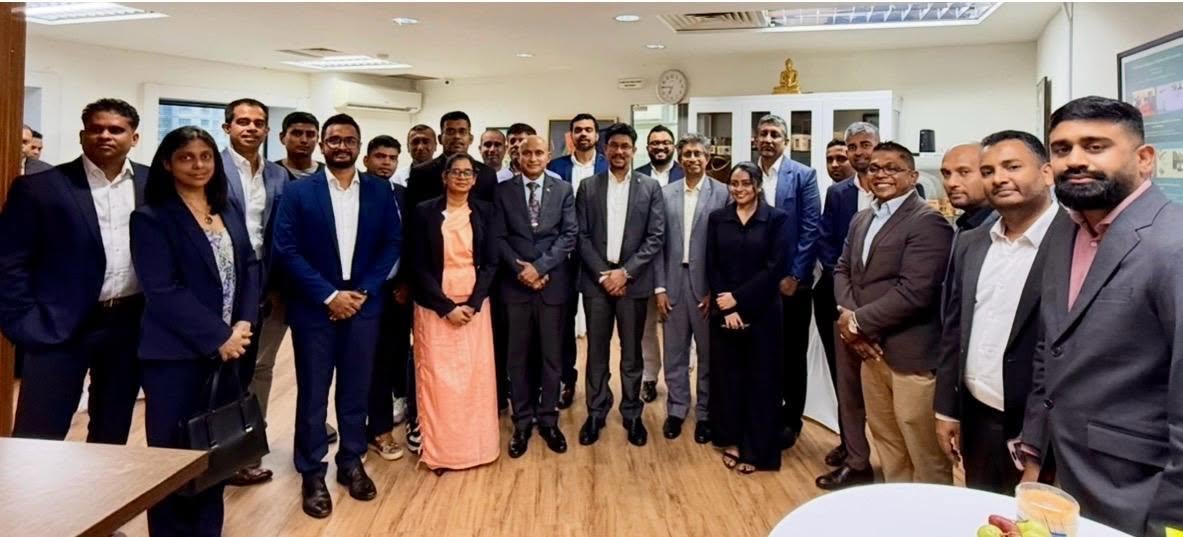
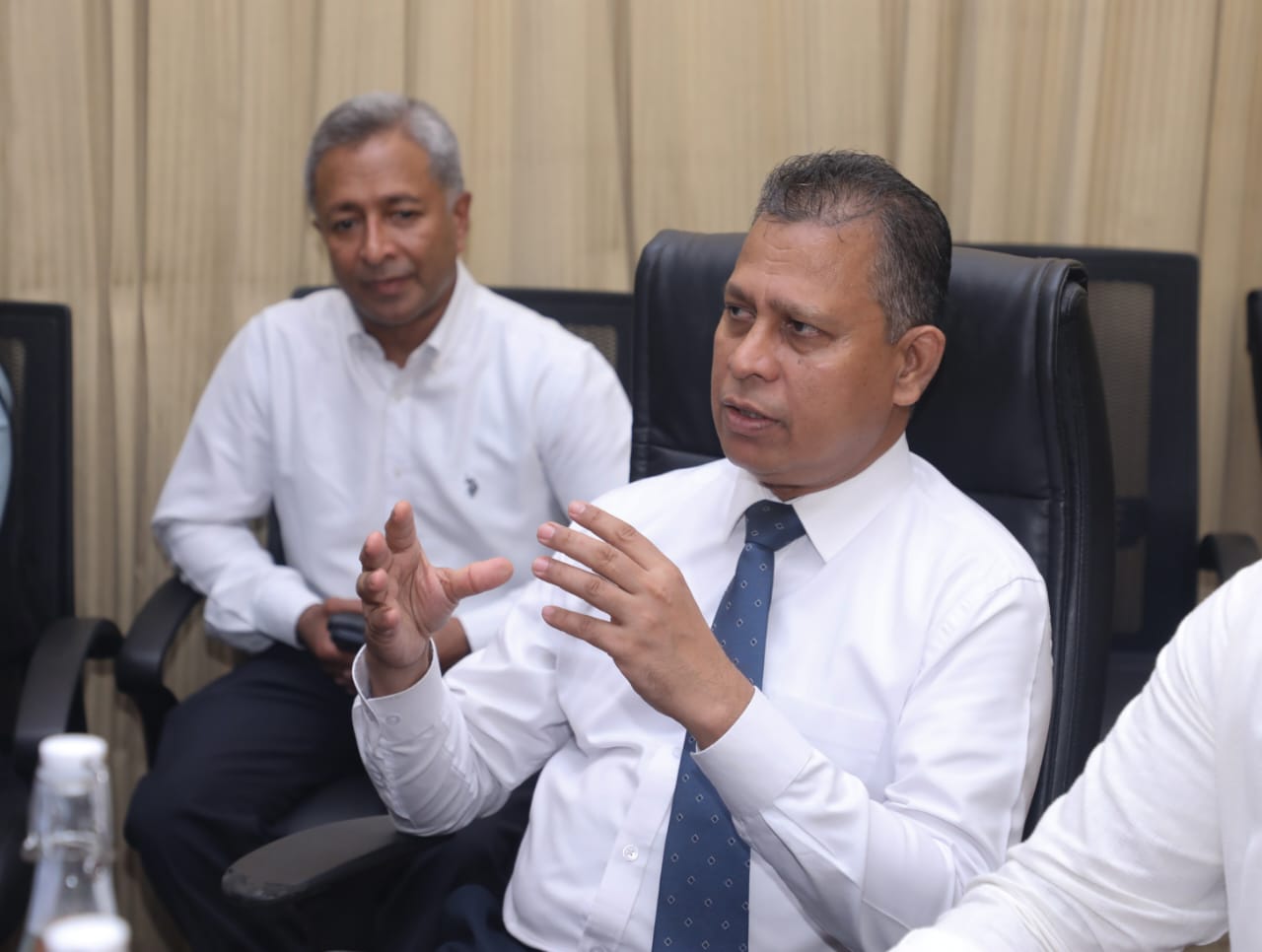
Deputy Minister Eranga Weeraratne engaging with SSITC members during the networking session.
image 01image 02image 03image 05image 04image 06

ICT Division

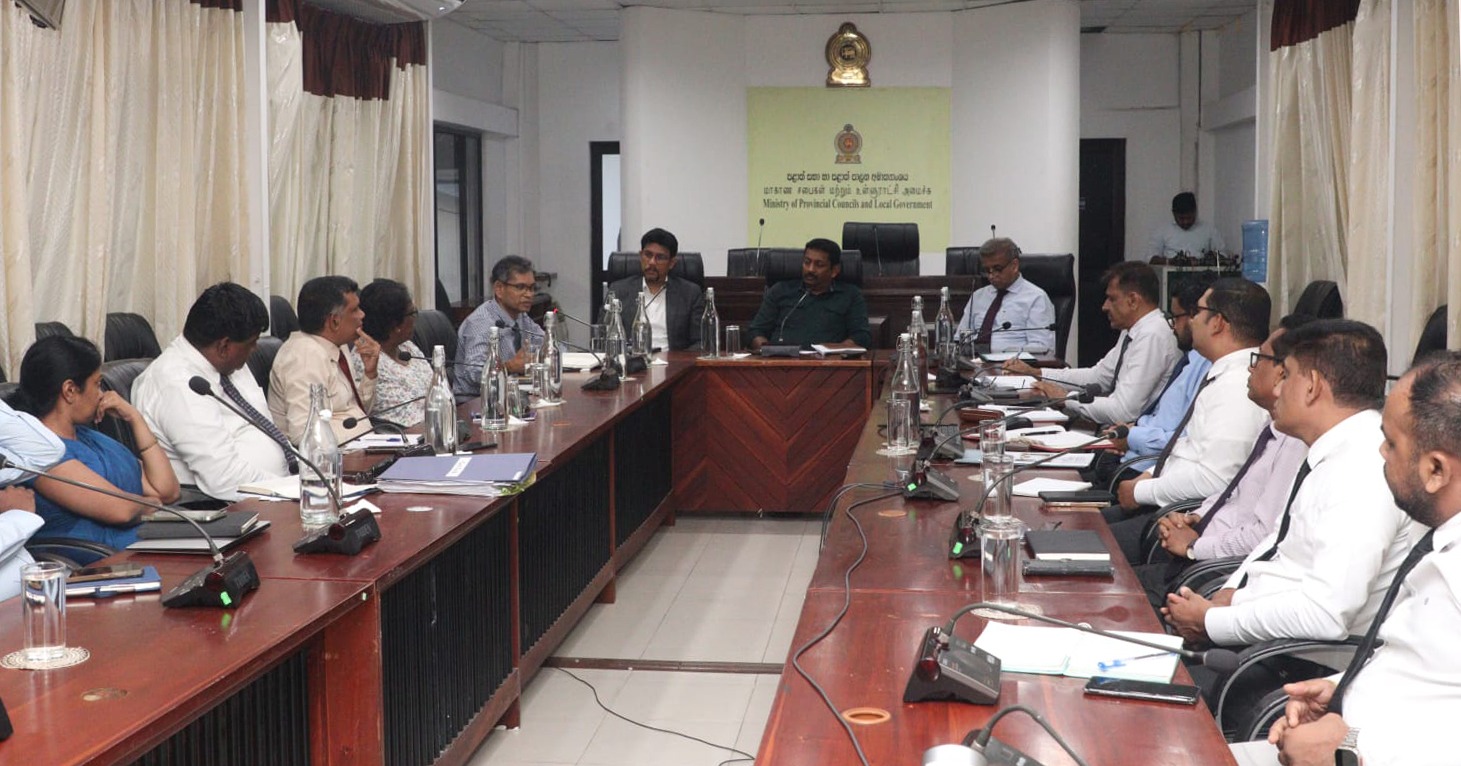
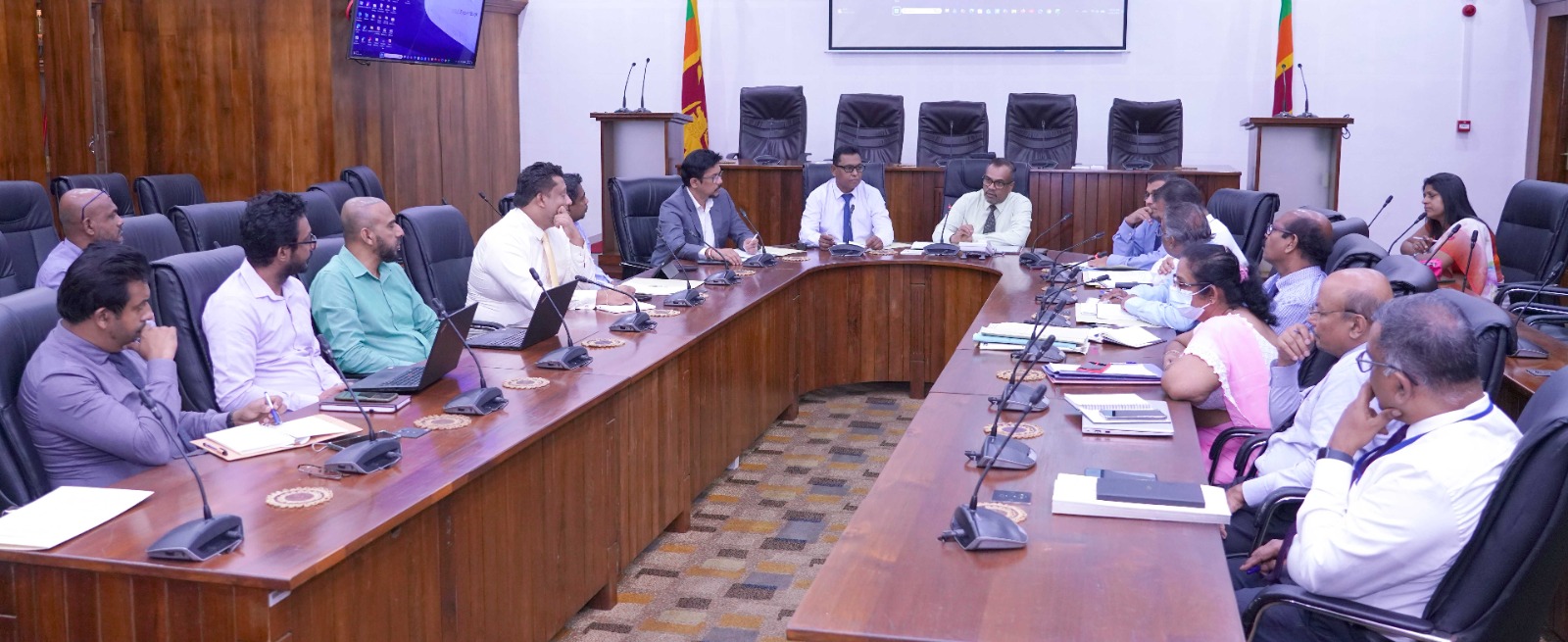
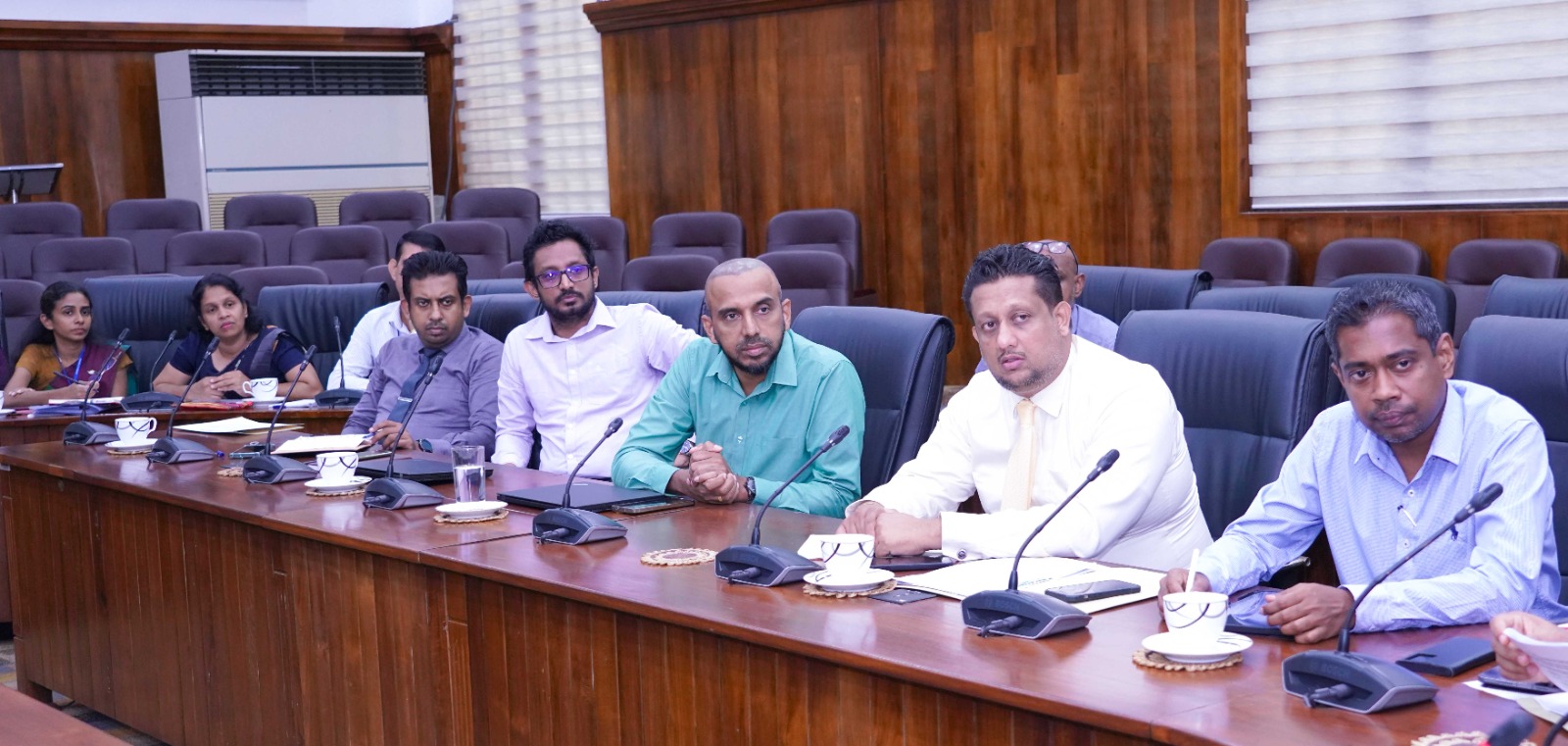
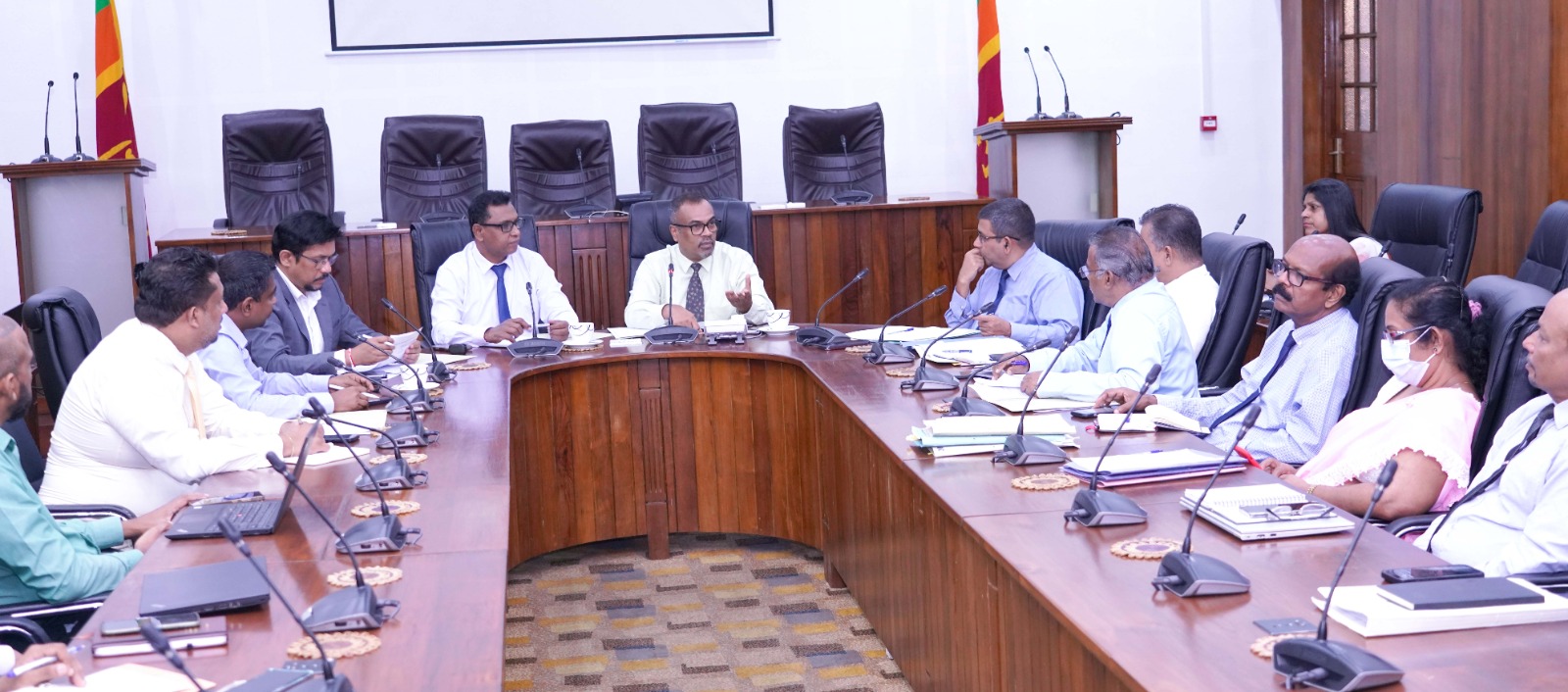
Marking a significant milestone in Sri Lanka's journey toward a robust digital economy, a high-level national discussion was successfully convened on June 3, 2026.

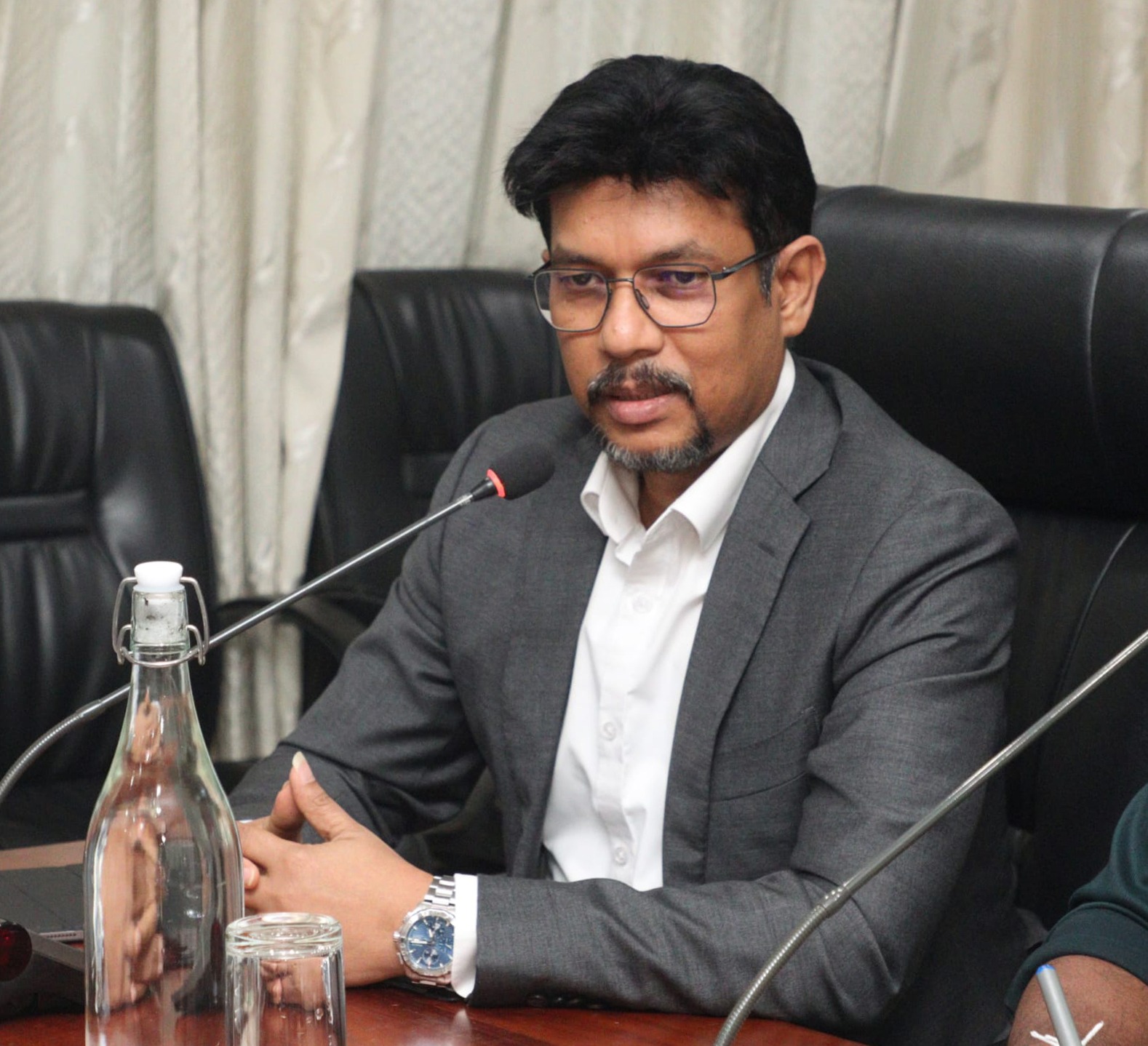
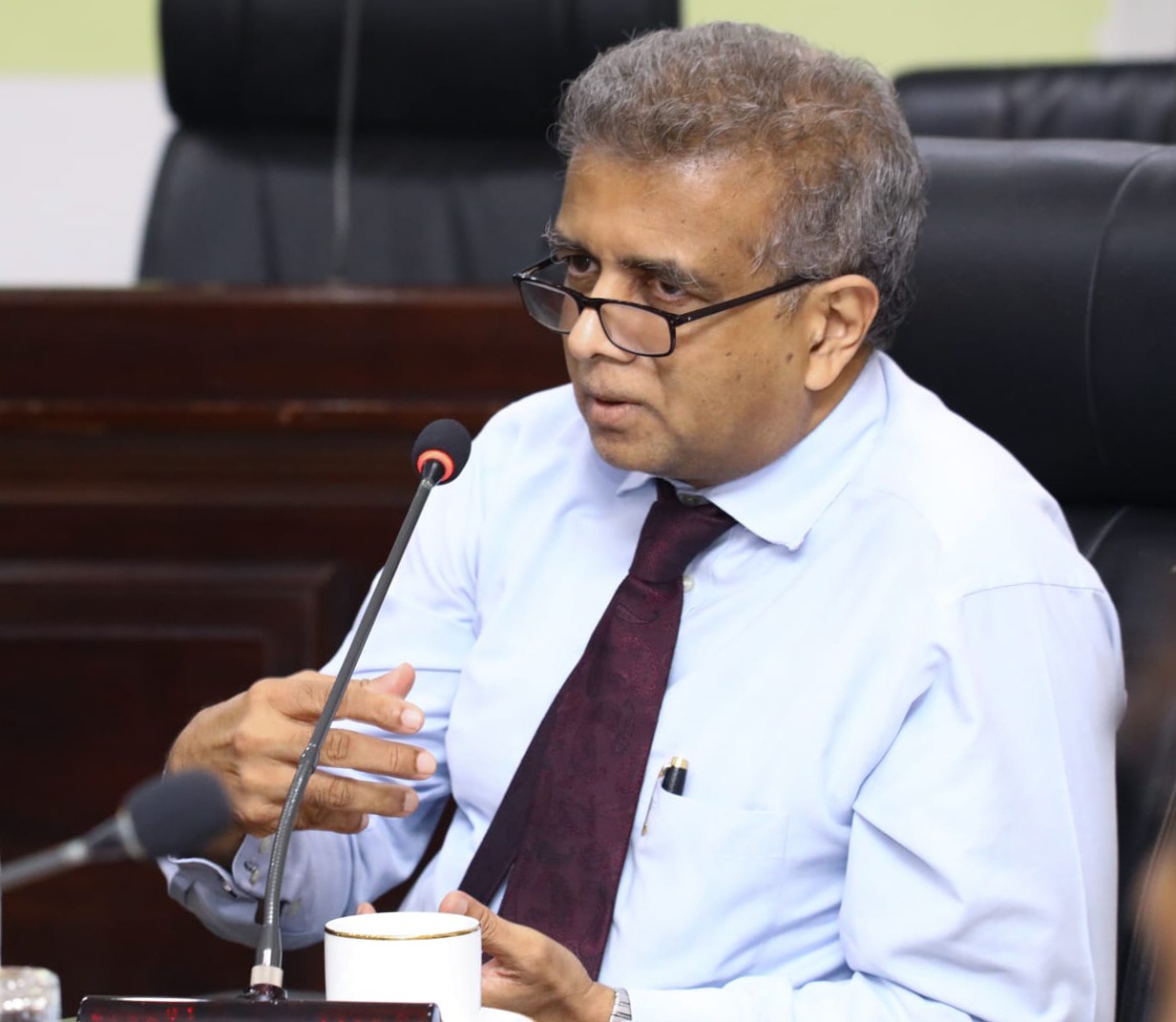
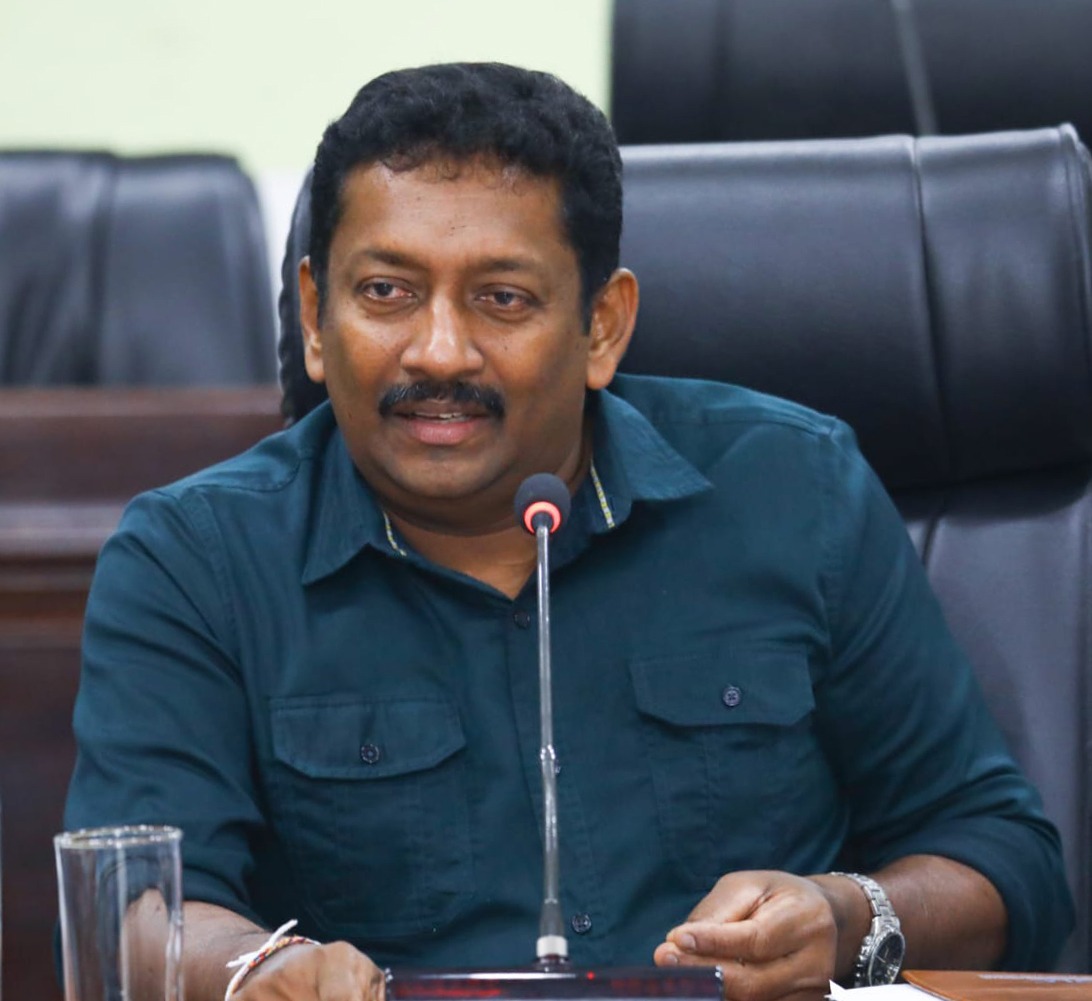
The meeting was co-chaired by the Hon. Deputy Minister of Digital Economy, Eng. Eranga Weeraratne, and the Hon. Deputy Minister of Provincial Councils and Local Government, Ruwan Senarath, focusing on a comprehensive framework to digitalize the public sector and systematically upgrade the technological skills of public officials.

The primary objective of this initiative is to enhance operational efficiency and eliminate service delays within the public service, aligning it with rapidly evolving global technology. During the session, the critical need to transition the public service from a traditional, "person-dependent" framework to a modern, "system-dependent" model was heavily emphasized.

Key priorities discussed included dispelling technological apprehension among senior officials to foster a strong sense of digital ownership, alongside delivering essential cybersecurity training to mitigate data risks and potential cyber threats stemming from a lack of technical awareness.

Recognizing the importance of building the capacity of government servants in key emerging areas such as cybersecurity, AI, and new government services and other subject matters, as well as the logistical challenges of training hundreds of thousands of public servants simultaneously, a meeting was conducted to develop a strategy for an online e-learning platform. The entire rollout is structured under a comprehensive three-tiered plan targeting the current workforce, new recruits, and the future generation. For the current workforce, the government will deliver tailored training based on specific professional tiers spanning executive, middle management, and non-staff levels. New recruits will face enforced digital certification as a mandatory requirement either prior to or immediately upon their entry into public service, while the future generation will benefit from school and university curricula aligned directly with the evolving demands of the digital economy.

As an immediate first step, officials will undergo a 10-minute foundational cybersecurity awareness module and practical training on utilizing official government emails and digital collaboration tools correctly, moving away from unsecured public platforms like WhatsApp and Viber.

It was discussed that this initiative should be implemented collaboratively, involving not only the Ministry of Digital Economy but also the Ministry of Public Administration and the Ministry of Provincial Councils and Local Government, among other relevant institutions. Officials were instructed to engage with the relevant stakeholders, identify requirements, and develop a comprehensive project proposal based on the findings.

The strategic session was attended by a distinguished panel of experts and senior state officials, including the Hon. Deputy Minister of Digital Economy, Eng. Eranga Weeraratne; the Hon. Deputy Minister of Provincial Councils and Local Government, Ruwan Senarath; Chief Advisor to the President on Digital Economy, Dr. Hans Wijayasuriya; Secretary to the Ministry of Digital Economy, Mr. Waruna Sri Dhanapala; Secretary to the Ministry of Provincial Councils and Local Government, Mr. S. Alokabandara; Ministry Advisor, Mr. Upul Abeysiriwardana; and Ms. Vishaka Nanayakkara representing the Centre for Open and Distance Learning (CODL) at the University of Moratuwa

image 01image 02image 03image 05image 04image 06

ICT Division

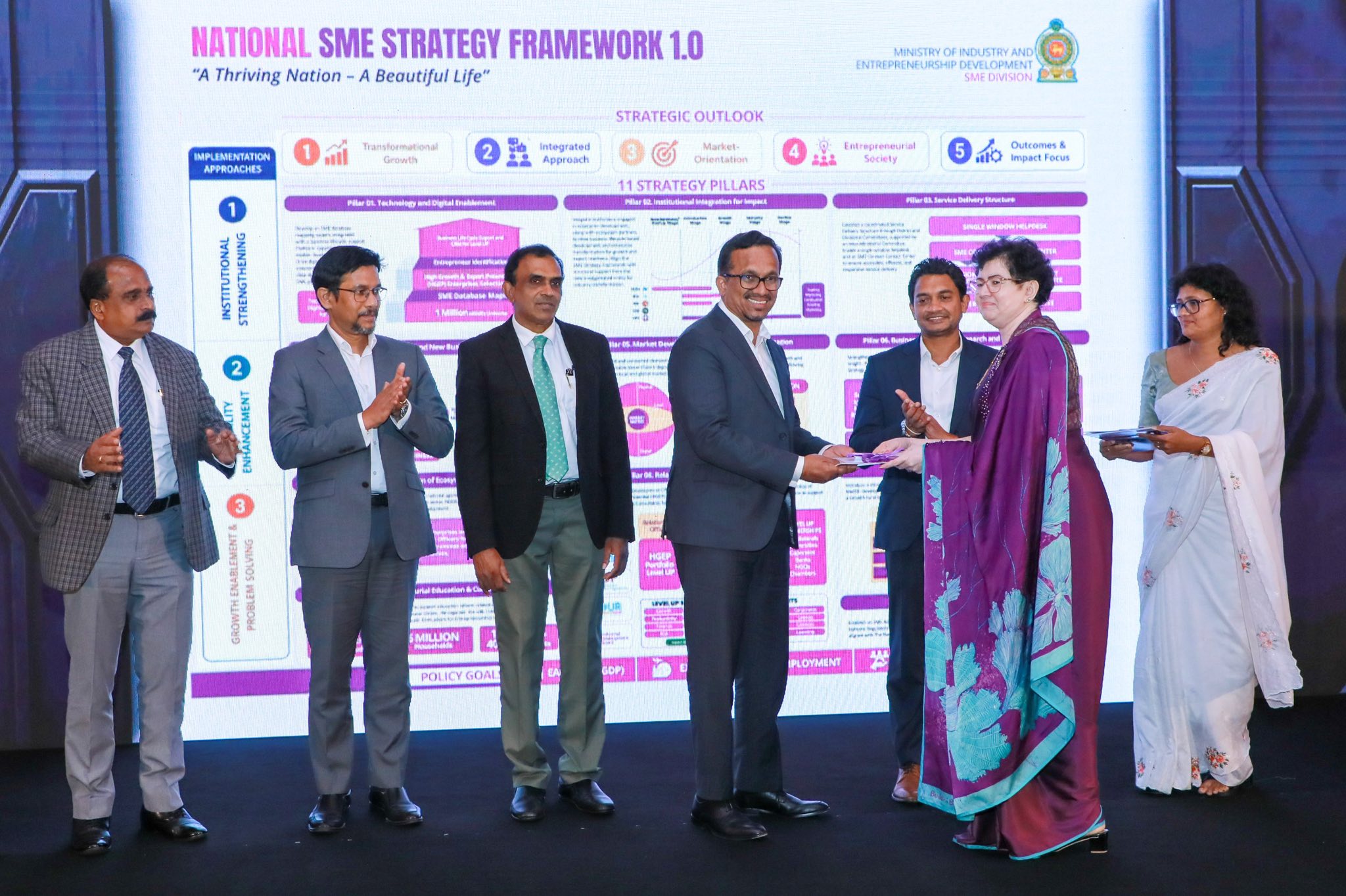
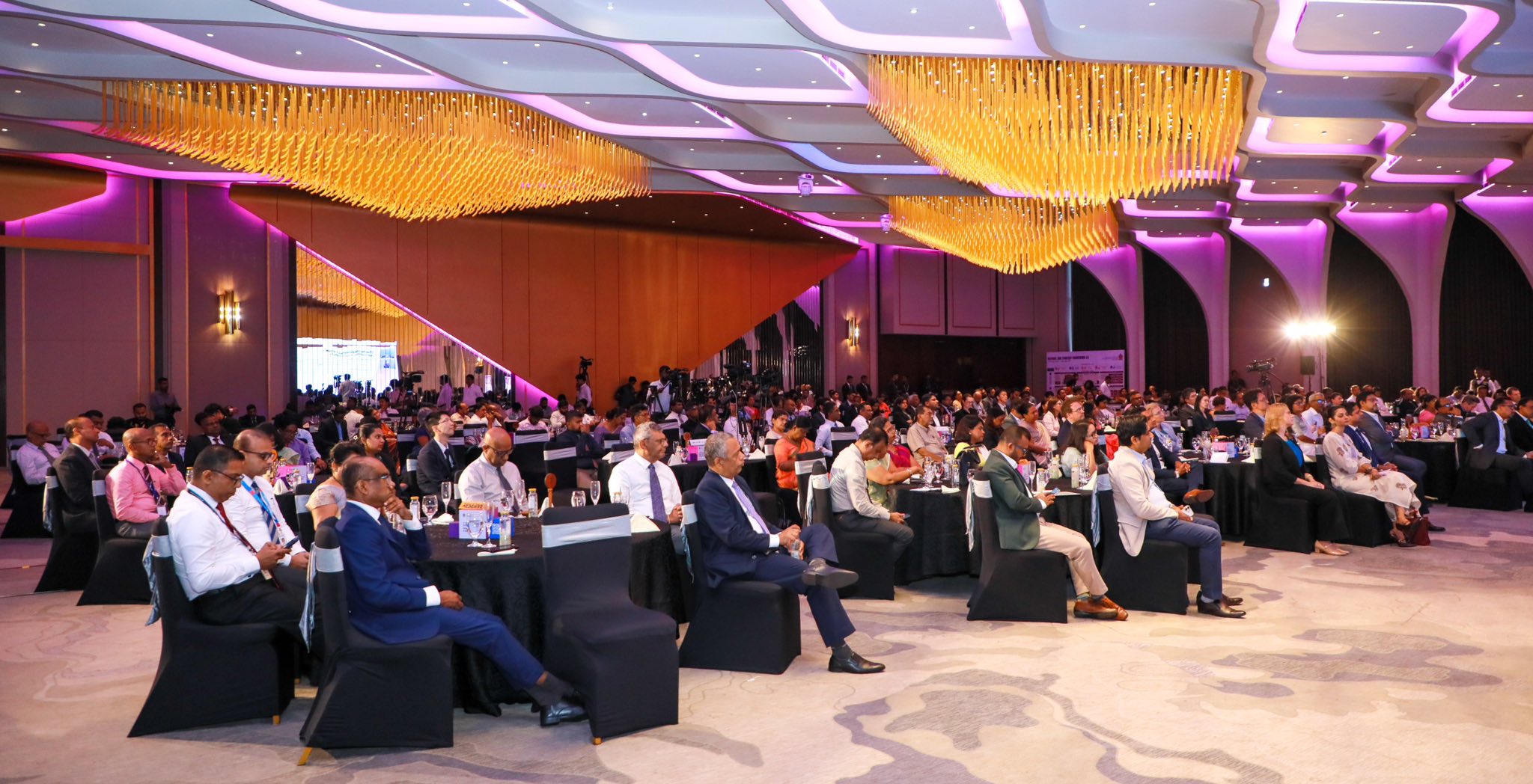
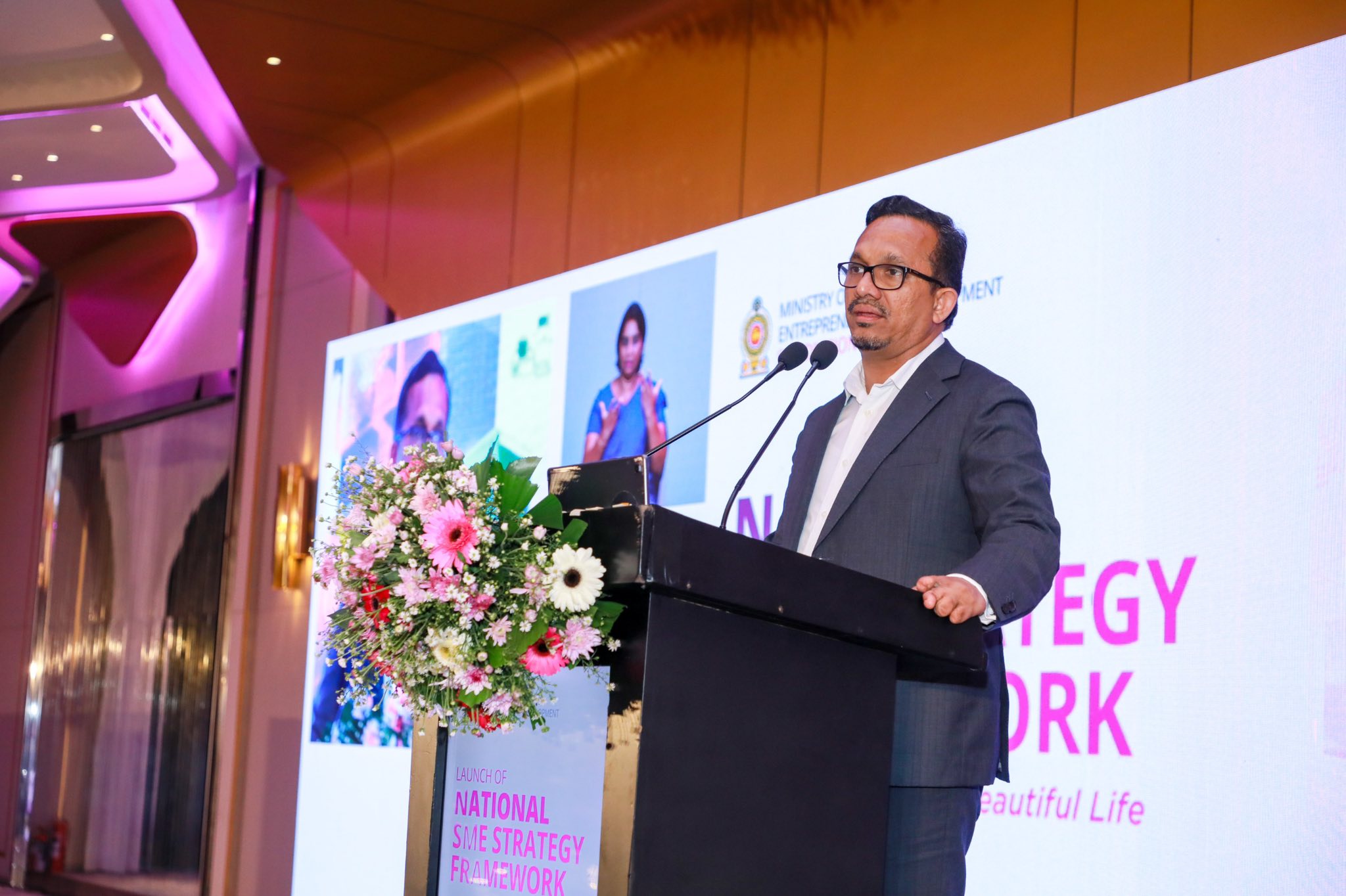
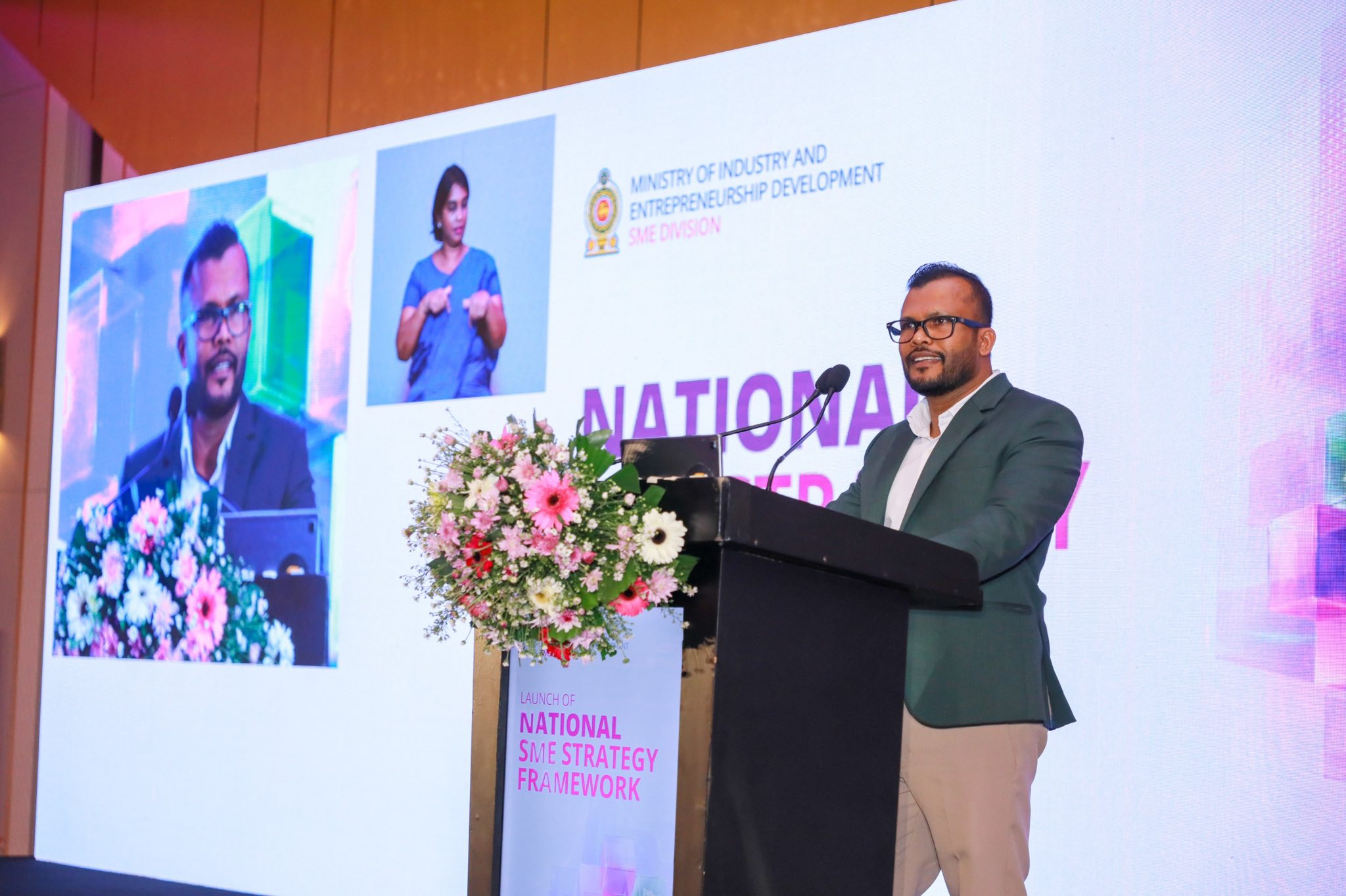
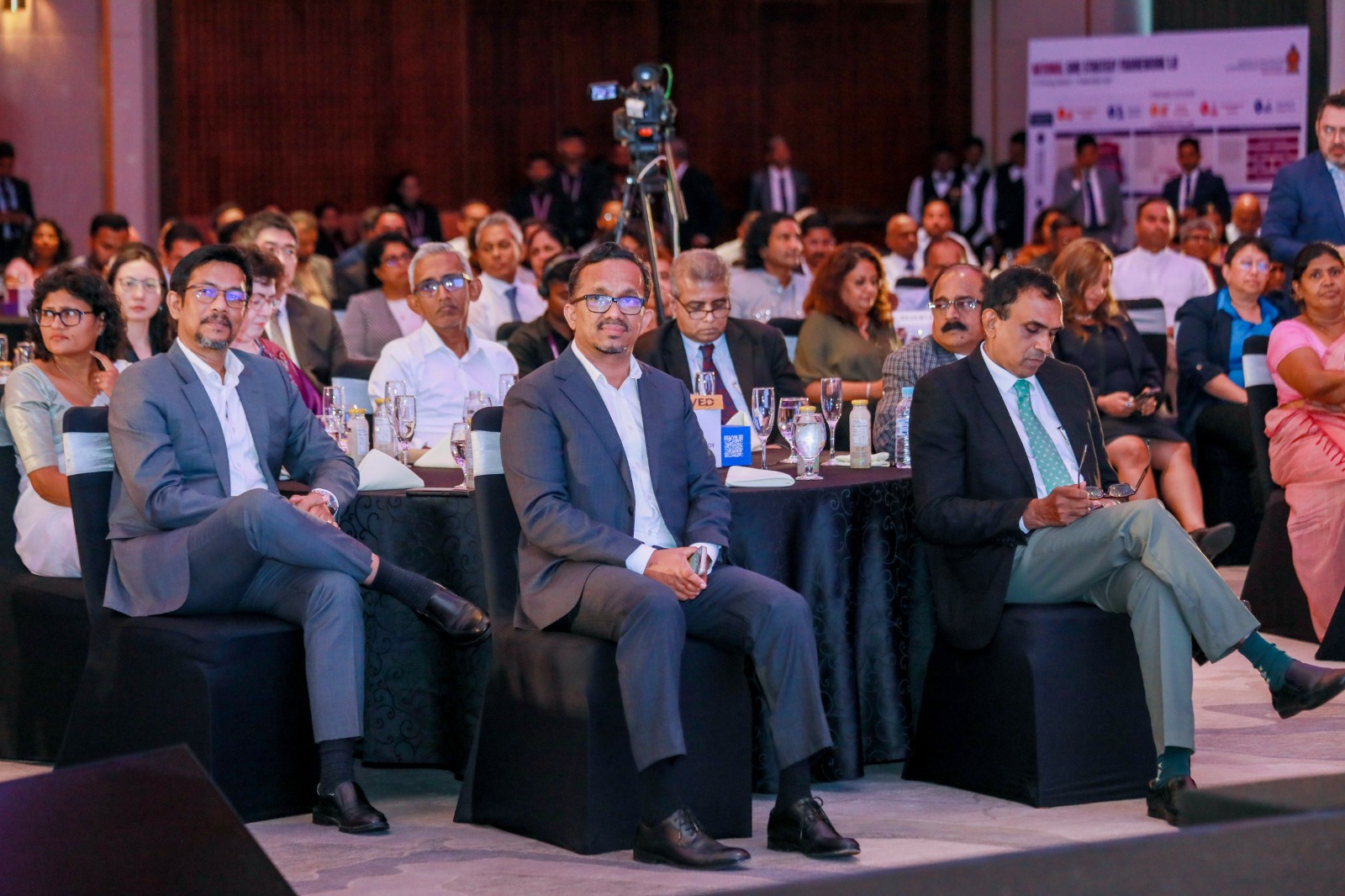
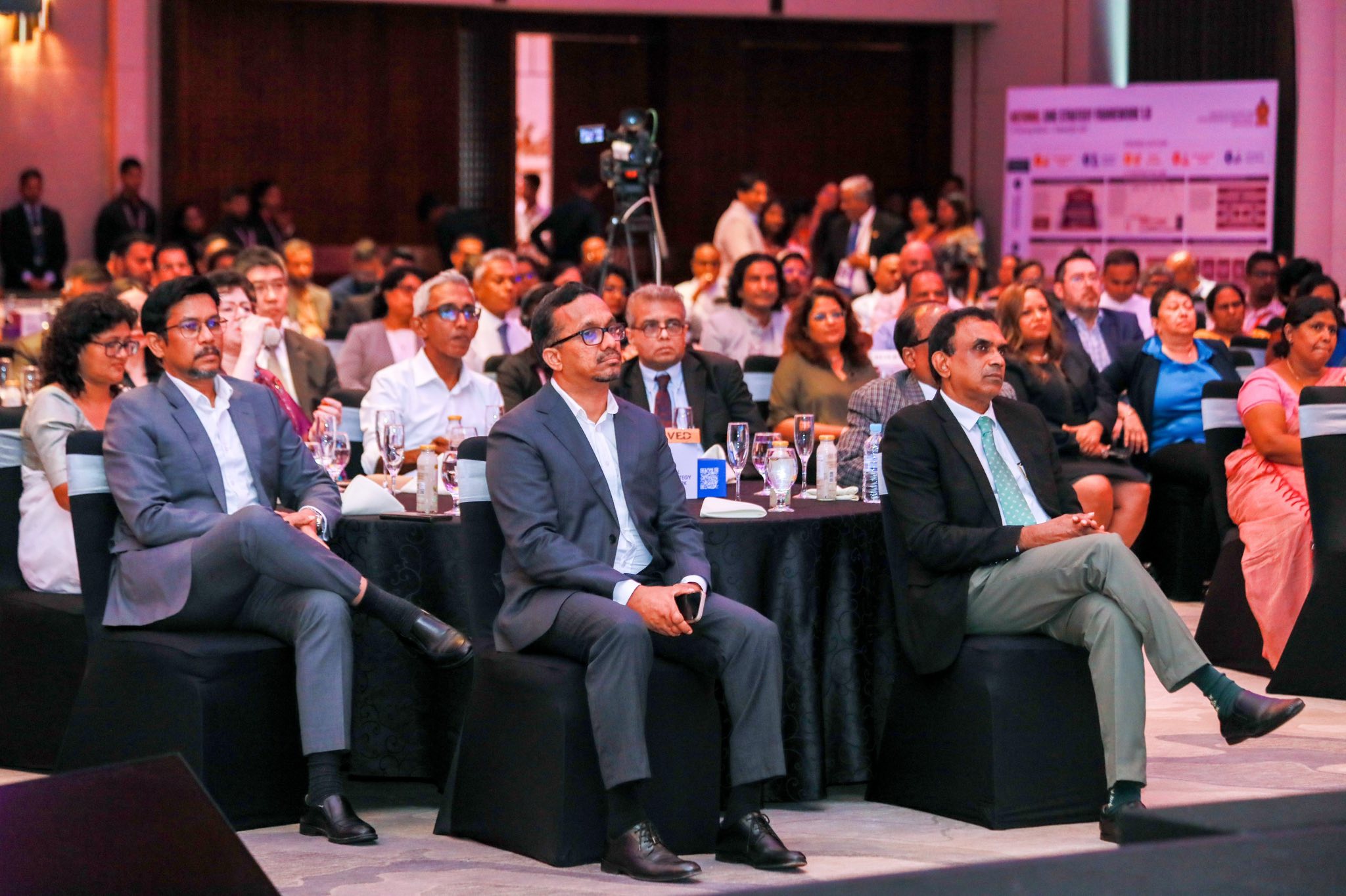
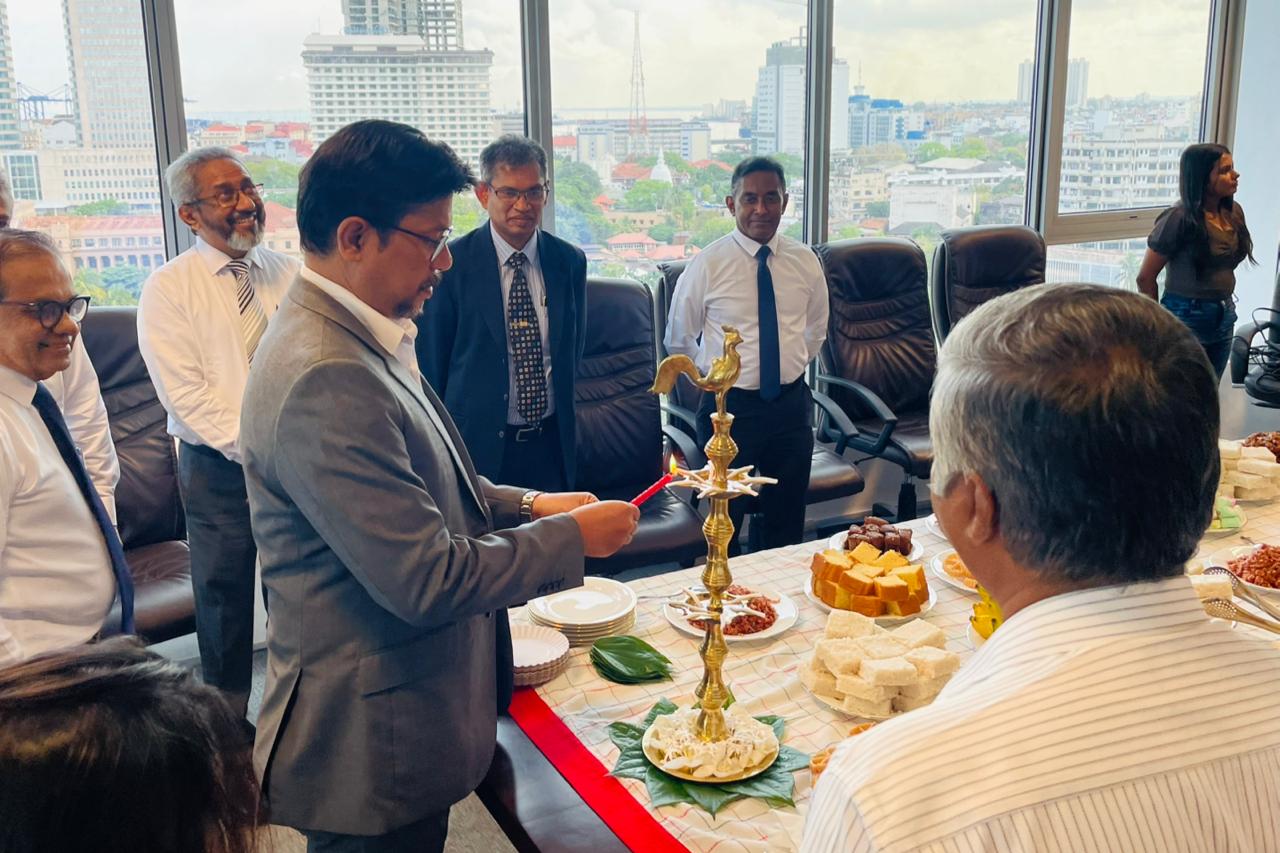
The “SME Nexus” 2026 National Strategic Framework, aimed at empowering Small and Medium Enterprises (SMEs), considered the backbone of Sri Lanka’s economy, both locally and globally, was ceremoniously launched on May 13 at The Grand Maitland Hotel in Colombo. Representing over 75% of registered businesses in the country and contributing a significant 52% to the Gross Domestic Product (GDP), the initiative primarily seeks to remove the structural barriers faced by the SME sector and strengthen entrepreneurs as genuine drivers of economic growth.

Aligned with the government’s vision of “A Prosperous Nation – A Beautiful Life,” the strategic framework is designed around 11 key pillars. Under its technology and digital empowerment agenda, plans are underway to introduce an integrated data system and digital business tools.

Steps have also been taken to provide entrepreneurs with more efficient access to services through single-window service platforms and the “SME Connect” call centre. Furthermore, special attention has been given to simplifying the process of starting a business, expanding access to finance through the establishment of a “Growth Fund,” and integrating local products into global value chains.
Through this national initiative, “Relationship Officers” will be appointed to provide direct guidance to entrepreneurs beyond conventional systems, while free advisory services will also be made available. By fostering an entrepreneurial culture at school and university level, and enabling data-driven decision-making through the SIBA (Strategic Intelligence for Business Advancement) unit, Sri Lanka aims to increase export revenue and move towards sustainable economic development.
The event was held under the patronage of Minister of Industry and Entrepreneurship Development Sunil Handunnetti and was attended by Minister of Science and Technology Prof. Krishantha Abeysena, Deputy Minister of Digital Economy Eng. Eranga Weeraratne, Deputy Minister of Industry and Entrepreneurship Development Chathuranga Abeysinghe, Deputy Minister of Defence Aruna Jayasekara, along with several distinguished guests.

image 01image 02image 03image 05image 04image 06

ICT Division

Join BestWeb.LK 2026 to gain recognition for your ‘.lk’ website. The competition is open to all ‘.lk’ domain holders. Submit your application within the registration period to be part of this prestigious event.

How to Register

  • Click the “APPLY NOW” button or log in to rs.domains.lk to submit your application.

  • If you’re not listed as the Registrant, Admin, Billing, or Technical contact for the domain, a confirmation email will be sent to the Registrant and Admin for approval.

  • gov.lk, sch.lk, and ac.lk domains require an authorized individual to submit a sealed and signed letter for verification.

  • Letters can be emailed to bestweb@domains.lk or uploaded via the system.

  • A fixed fee of Rs. 6,000 applies to all categories.

  • Review the evaluation criteria outlined in the Terms and Conditions to ensure compliance before submitting your application.

Link : https://bestweb.lk/apply/

ICT Division

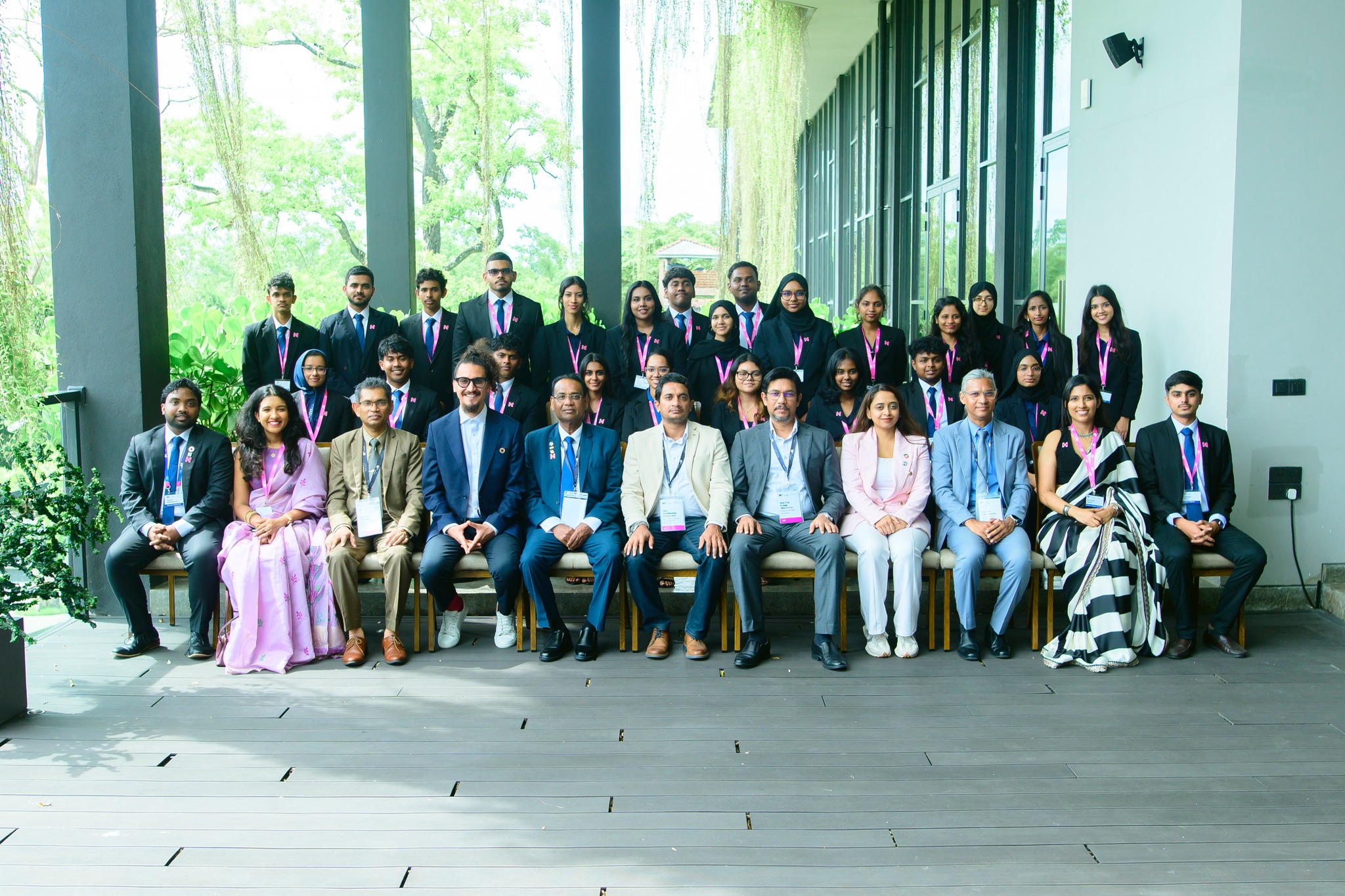
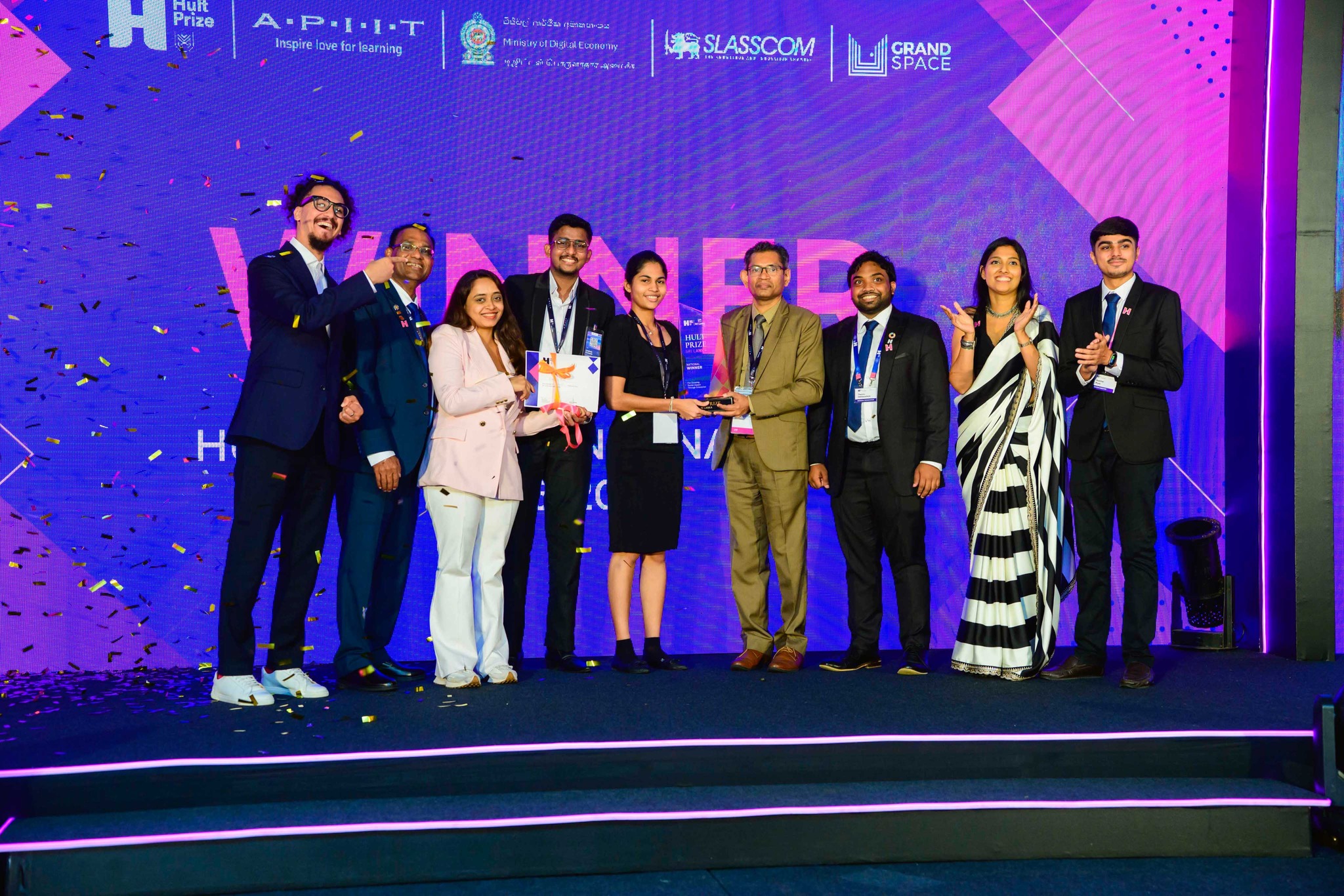
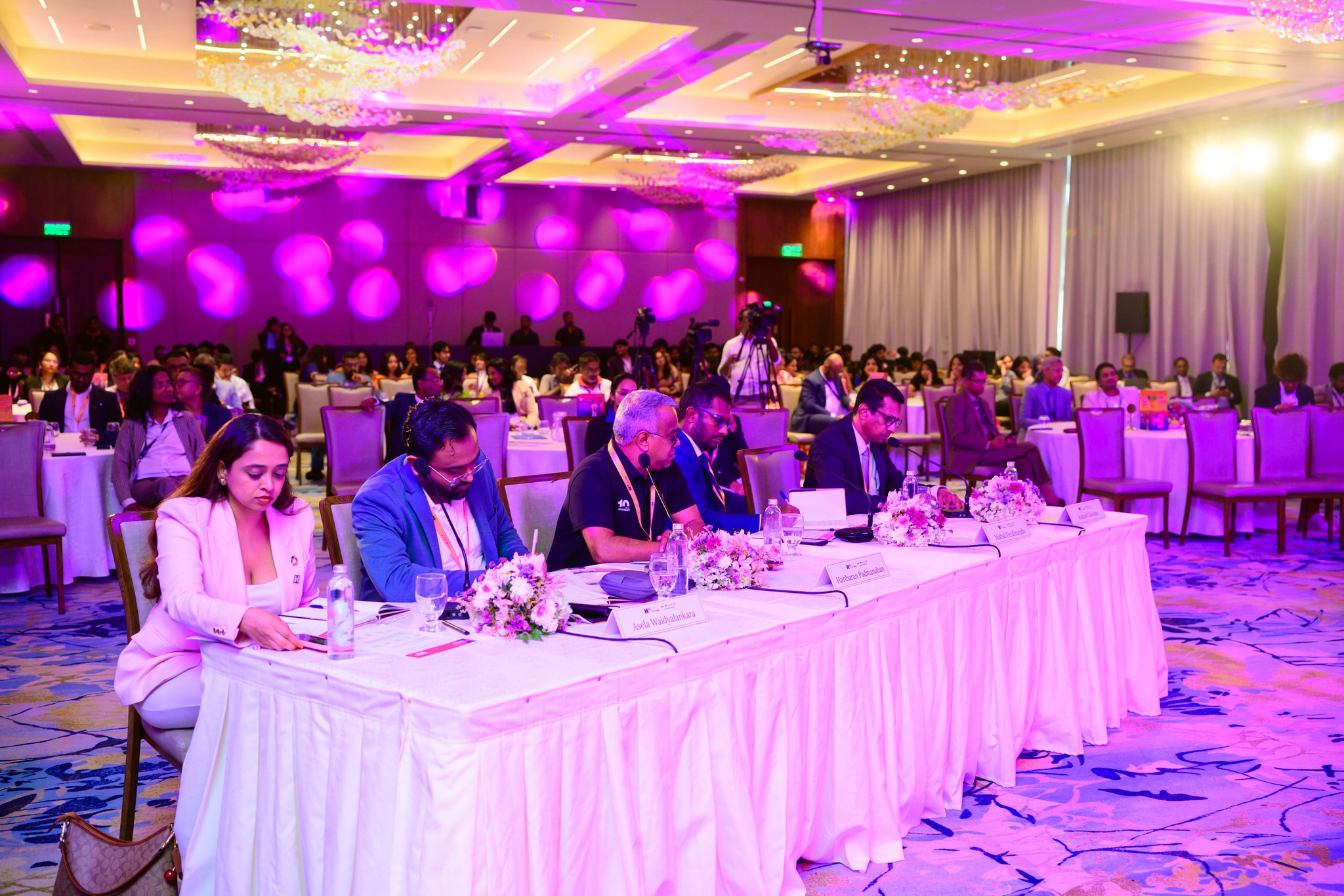
Marking Sri Lanka’s presence in a global youth entrepreneurship movement, the Hult Prize Sri Lanka Nationals 2025/2026 Grand Finale was successfully held on May 10th at the Commercial Credit Training Academy premises in Colombo with the sponsorship of the Ministry of Digital Economy. Hosted locally by APIIT Sri Lanka, the programme served as a platform to showcase the innovation potential and entrepreneurial mindset of Sri Lankan university students on an international stage.

Addressing the gathering as the Chief Guest, Eng. Eranga Weeraratne, Hon. Deputy Minister of Digital Economy emphasized that the responsibility of building Sri Lanka’s future digital economy lies with the country’s young entrepreneurs. He highlighted that technology should not be viewed merely as innovation, but as a tool that must be used responsibly and inclusively. The Deputy Minister further stressed the importance of developing digital solutions that cater to small and medium-scale enterprises, rural communities, and persons with special needs.

He also noted that the government’s continued support for digital infrastructure development and innovation ecosystems is creating an enabling environment for young entrepreneurs to build and grow their ventures within Sri Lanka itself. Encouraging students to think beyond the competition, he urged them to transform their ideas into practical solutions capable of addressing real-world challenges. He further emphasized that the future of Sri Lanka’s digital economy will be shaped not only by large institutions, but also by young innovators who use technology responsibly.

The event was also attended by the Deputy Minister of Industry and Entrepreneurship Development Chathuranga Abeysinghe , Secretary to the Ministry of Digital Economy; Waruna Dhanapala along with several distinguished guests. Senior Director of the Hult Prize Foundation, Hamdi Ben El Elmi, and Regional Manager Supriya Jangre also participated in the event. Chairman of APIIT, Bandula Egodage, Hult Prize National Director Thaviru Hettiarachchi, and representatives of the APIIT Business School were among those present.

image 01image 02image 03

ICT Division

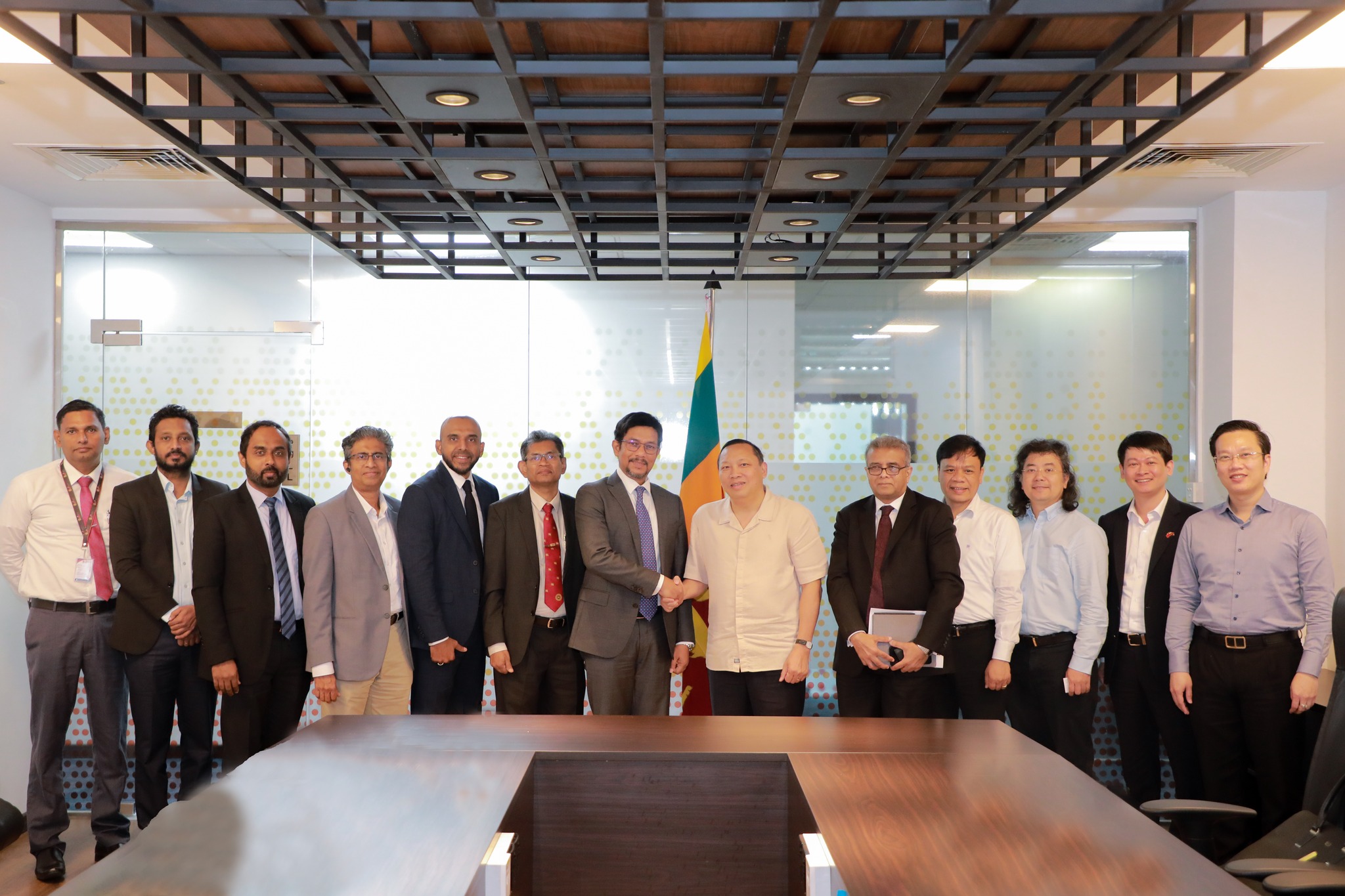
In parallel with the visit of His Excellency Tô Lâm, President of the Socialist Republic of Vietnam, to Sri Lanka, a special discussion was held today at the Ministry of Digital Economy to enhance cooperation in the digital economic sector between the two nations. The meeting took place between Hon. Eranga Weeraratne, Deputy Minister of Digital Economy, and Mr. Nguyen The Trung, Member of the National Advisory Council of the 57th Steering Committee of Vietnam.

The discussions focused extensively on key areas such as public digital infrastructure, cashless payment systems, cybersecurity, data centers, and the provision of necessary infrastructure for Artificial Intelligence (AI). Sri Lanka's national vision to become a regional digital hub by 2030 targeting a $15 billion digital economy and $5 billion in digital exports was a central point of discussion. Vietnam expressed its support for investment opportunities within Sri Lanka’s data center sector.

The delegation commended the existing industry-level relations between the two countries and highlighted the importance of further strengthening the Memorandum of Understanding (MoU) between SLASSCOM in Sri Lanka and the VINASA association in Vietnam. There was a specific emphasis on the desire to collaborate with the technology and innovation ecosystem centered in Hanoi, Vietnam.

The Vietnamese delegation shared their experiences regarding the expansion of digital infrastructure, the digitalization of the public sector, policy reforms, and AI skills development. Both parties agreed on the importance of continuous knowledge exchange and practical partnerships to strengthen the digital transformation journeys of both nations.

The Vietnamese delegation was joined by senior officials from the Ministry of Digital Economy, including Mr. Waruna Sri Dhanapala, Secretary to the Ministry of Digital Economy, and Dr. Hans Wijayasuriya, Chief Advisor to the President on Digital Economy, along with othe ministry officials.

image 01image 02image 03image 05image 04image 06

ICT Division

A special discussion was held recently at the Ministry of Finance to expedite and refine the process of identifying and listing 'Aswesuma' welfare beneficiaries.

The primary objective of the meeting was to provide the necessary facilities to maintain the process with greater speed and accuracy, ensuring that the welfare system operates effectively and reaches the intended citizens.

The discussion focused extensively on how digitalization could be integrated to accurately identify beneficiaries and revise the current criteria within the identification methodology. Both long-term measures, such as amending the relevant Act, and short-term measures to accelerate the process through technical enhancements were identified during the session.

Furthermore, administrative challenges were addressed, including filling existing vacancies and actively involving Grama Niladharis in the Aswesuma process. The meeting also highlighted the refinement of payment mechanisms and the resolution of related technical issues.

By integrating digital technology with the administrative framework, the government aims to ensure transparency and prioritize those most in need of assistance.

The discussion was attended by Dr. Upali Pannilage, Minister of Rural Development, Social Security, and Community Empowerment; Dr. Anil Jayantha Fernando, Minister of Labour and Deputy Minister of Finance and Planning and Eranga Weeraratne, Deputy Minister of Digital Economy.

Additionally, Sampath Manthrinayake, Secretary to the Ministry of Rural Development, Social Security, and Community Empowerment, along with officials from the Welfare Benefits Board, participated in the event.

image 04image 05image 06

ICT Division

In line with the government’s ongoing digitalization initiative, the Ministry of Public Administration, Provincial Councils, and Local Government has launched a comprehensive program to transform all 341 local government institutions in Sri Lanka, including 29 Municipal Councils, 36 Urban Councils, and 276 Pradeshiya Sabhas, into entities capable of delivering services and processing payments through online platforms.

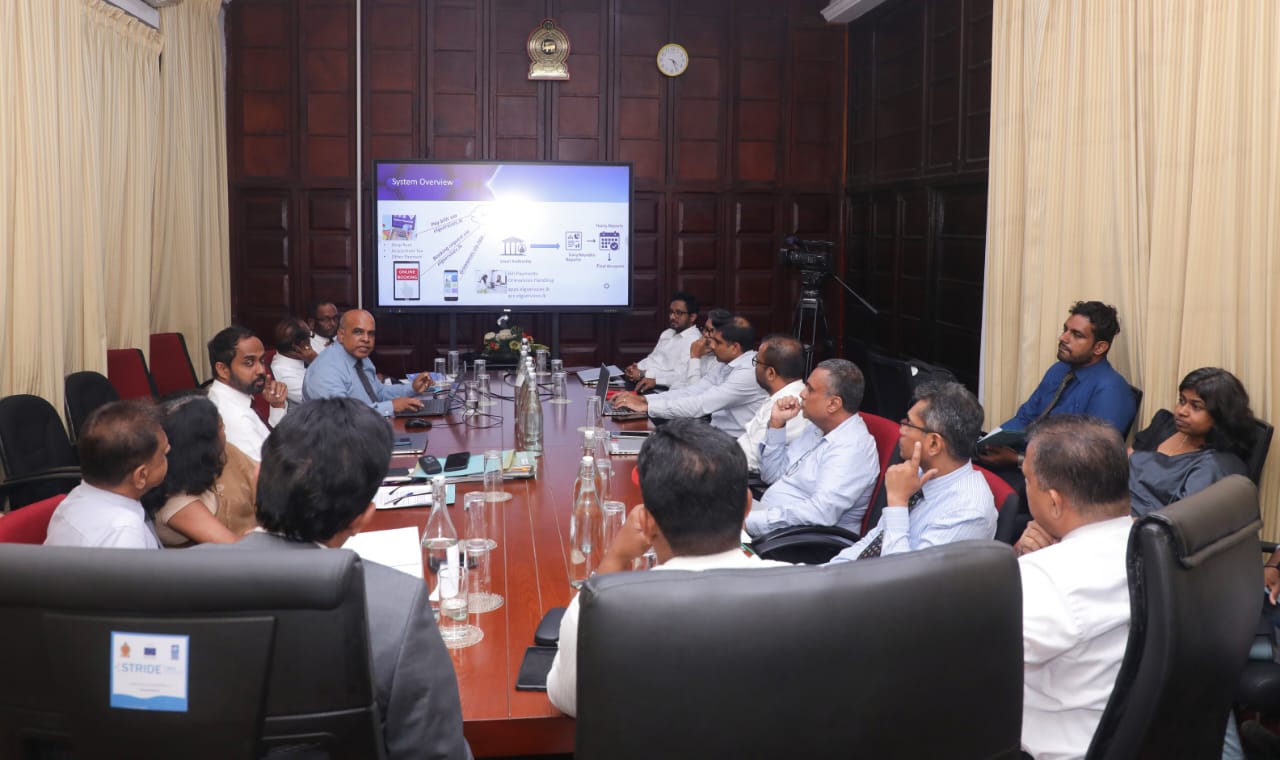
A discussion on the necessary measures to further accelerate this program, and to ensure that these services are delivered to the public in a more efficient, user-friendly, reliable, and cost-effective manner, was held yesterday (20) in Colombo at the office of the Deputy Minister of Provincial Councils and Local Government, located in Union Place. The meeting was jointly chaired by the Deputy Minister of Provincial Councils and Local Government, Ruwan Senarath, and the Deputy Minister of Digital Economy, Engineer Eranga Weeraratne.

This initiative aims to enable the public to access all services and make payments without physically visiting local government offices. These include tax payments, service appointments, water bill payments, obtaining licenses and certificates, streetlight maintenance and management, parking payments, and lodging complaints. In addition, the digitalization program is expected to reduce inefficiencies and corruption within local government institutions while improving overall operational efficiency.

By minimizing the use of cash and promoting digital transactions, the data generated through these systems will allow better monitoring of economic activity. This, in turn, will support more informed national planning and decision-making.

Previously, there was no unified system covering all local government institutions, resulting in individual institutions developing separate technological solutions. However, this new program is being implemented solely using government expertise and resources, without engaging external non-governmental parties. As a result, all local government institutions will be integrated into a centralized and unified system, with these digital services provided at no cost to them.

With the support of the Ministry of Digital Economy, the program is expected to be launched in the near future. Furthermore, a series of promotional initiatives, offering incentives and benefits will be introduced to encourage greater participation from both local government institutions and the public.

The discussion was attended by the Secretary to the Ministry of Public Administration, Provincial Councils and Local Government, S. Aloka Bandara, the Secretary to the Ministry of Digital Economy, Waruna Sri Dhanapala, along with officials from both ministries as well as from GovTech and LankaPay.

image 01image 02image 03image 04image 05image 06

ICT Division

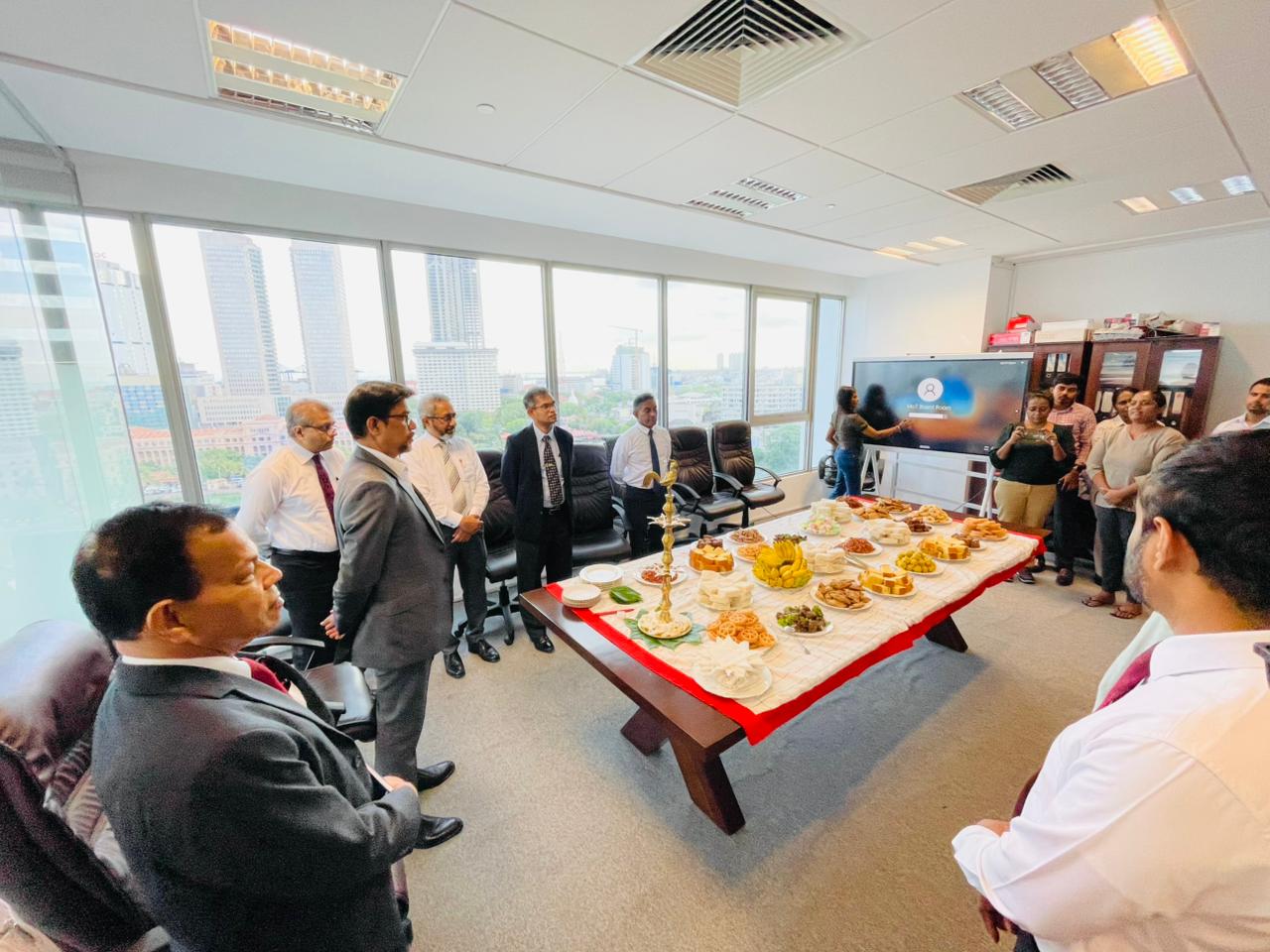
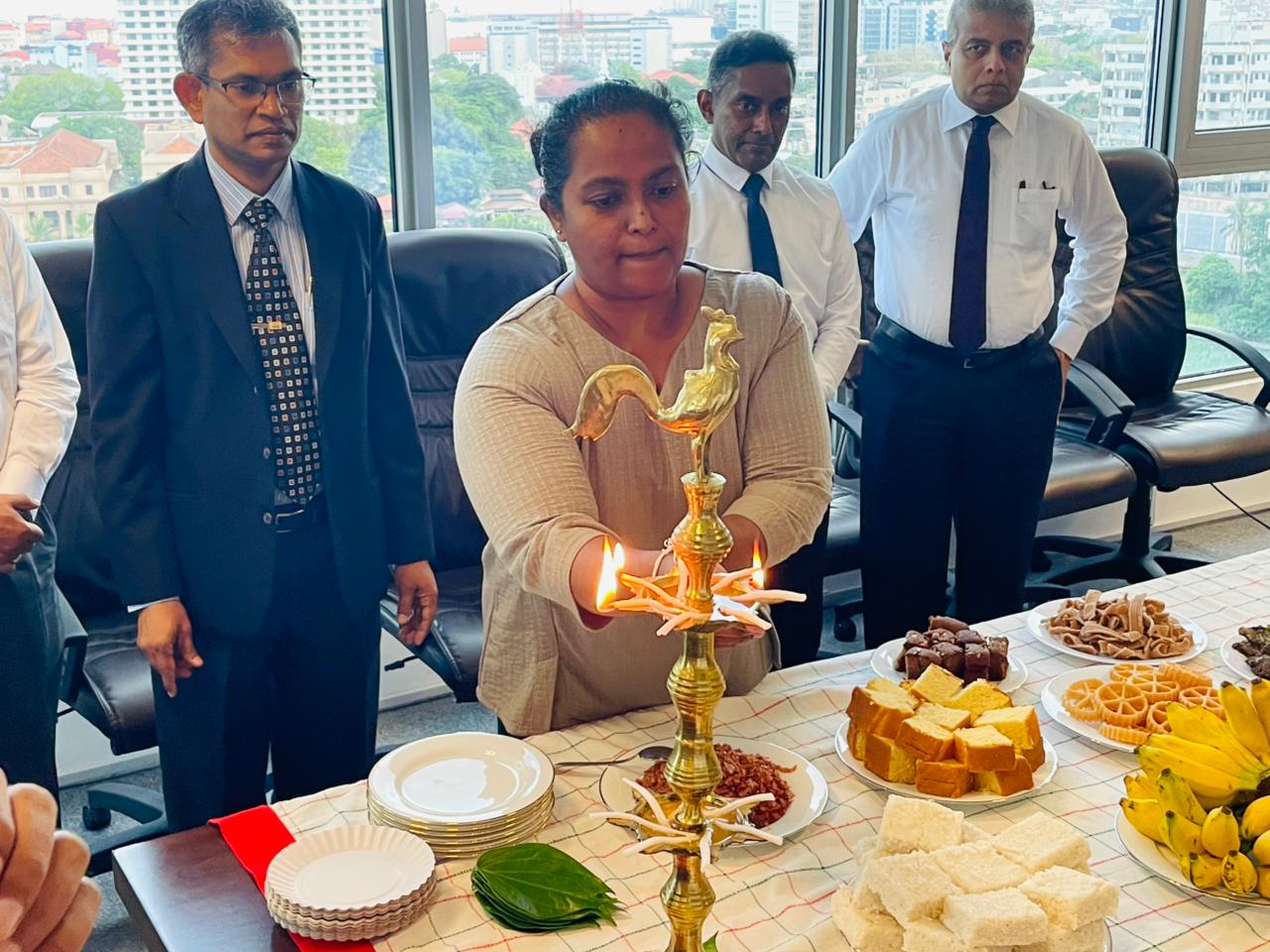
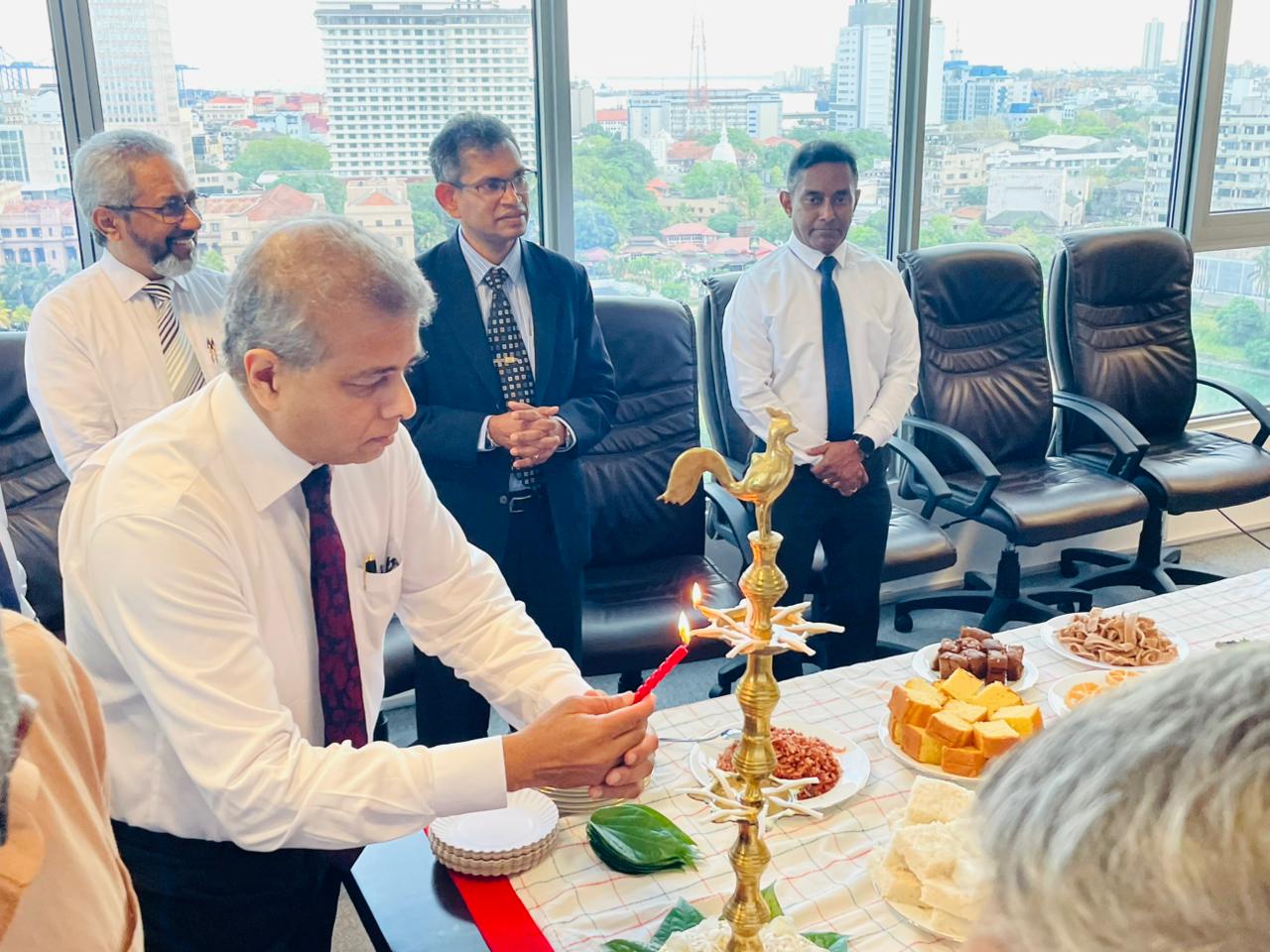
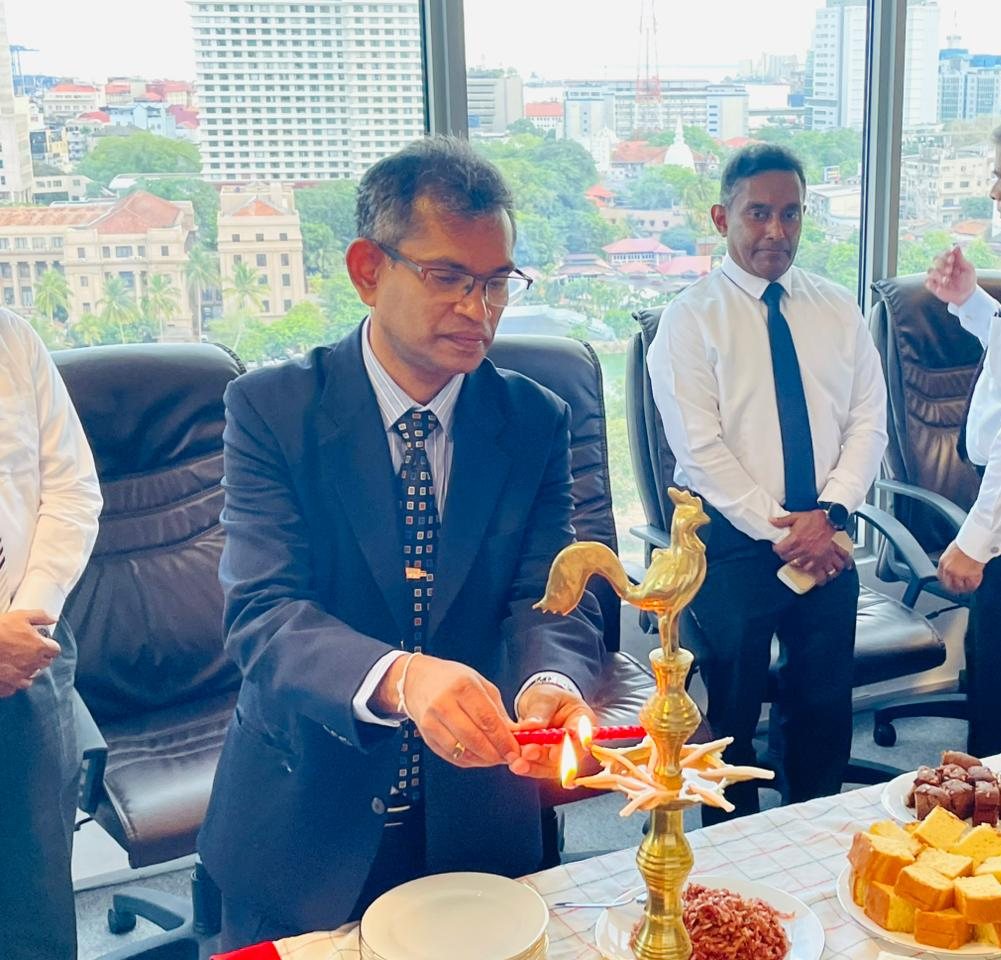
The ceremony was held this morning under the leadership of the Honorable Deputy Minister of Digital Economy, Engineer Eranga Weeraratne. The event commenced in a traditional and respectful manner with the lighting of the oil lamp, symbolizing blessings, unity, and a positive start to the new year.

During the event, the Secretary to the Ministry, Waruna Sri Dhanapala, addressed the gathering. He highlighted that, in response to current global geopolitical conditions, the Ministry will prioritize the use of digital technologies to support remote working. He also emphasized the importance of effectively utilizing the budget allocated to the Ministry for this year.

The ceremony was attended by Chief Presidential Advisor on Digital Economy Dr. Hans Wijayasuriya, Secretary to the Digital Economy Ministry, Waruna Sri Dhanapala, along with heads of affiliated institutions and members of the Ministry’s staff.

image 01image 02image 03image 04image 05

ICT Division

The Government of Sri Lanka has planned to digitize 100% of all government transactions by the year 2030 and to build a massive digital economy worth USD 15 billion within the country.

To achieve this goal, efforts are being made to actively implement the process through the full contribution of the Ministry of Digital Economy and through public-private partnerships.

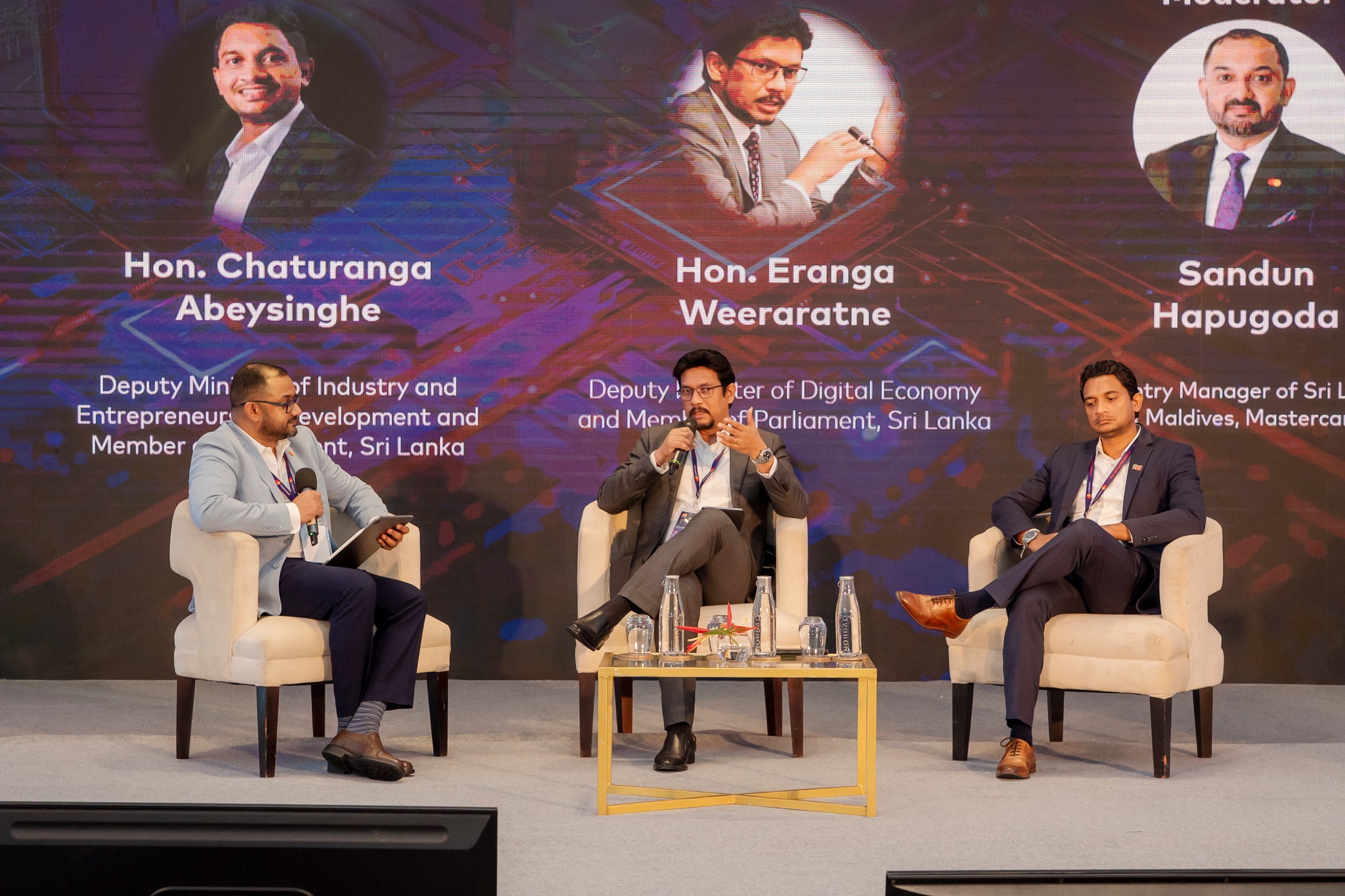
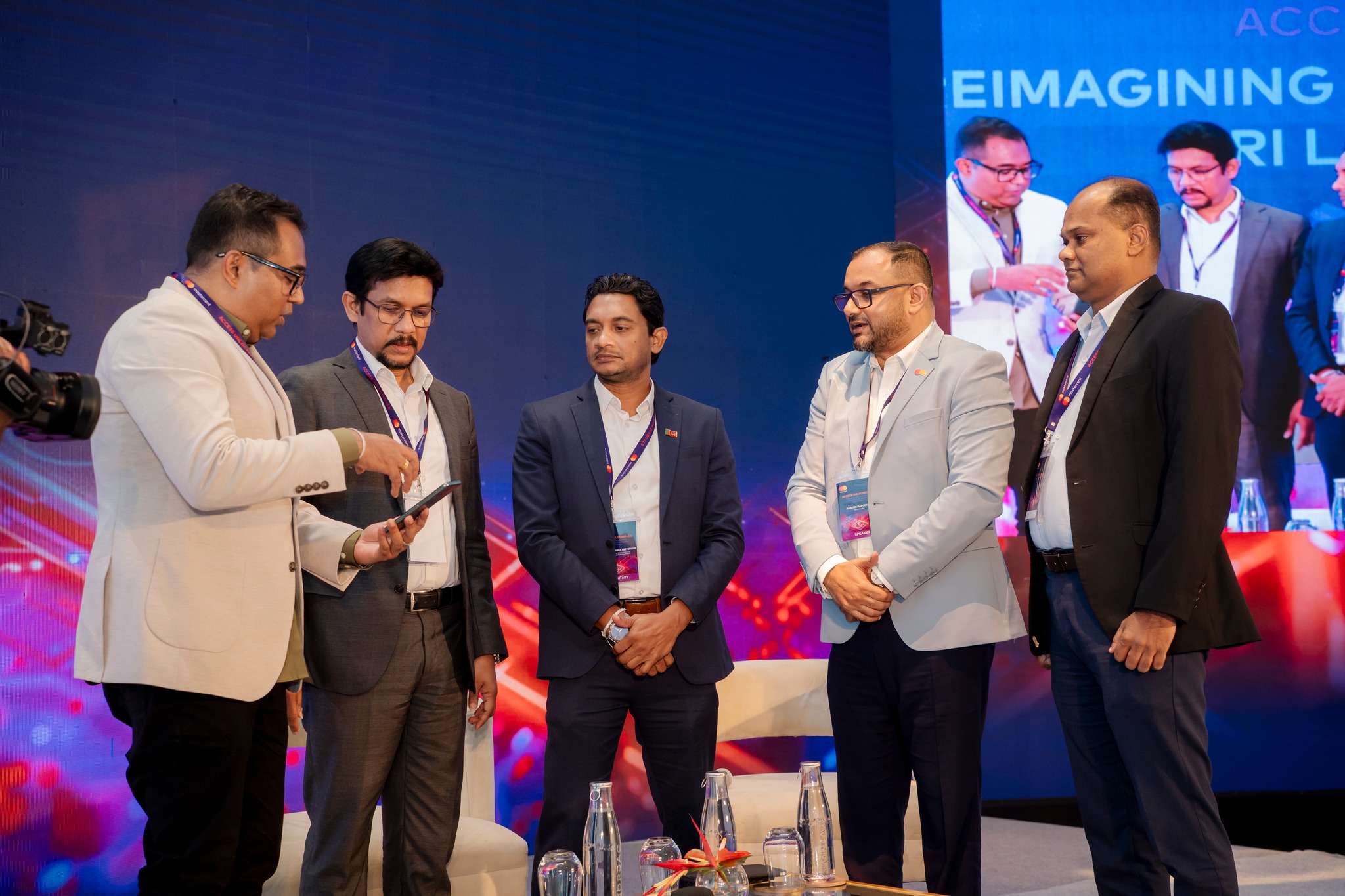
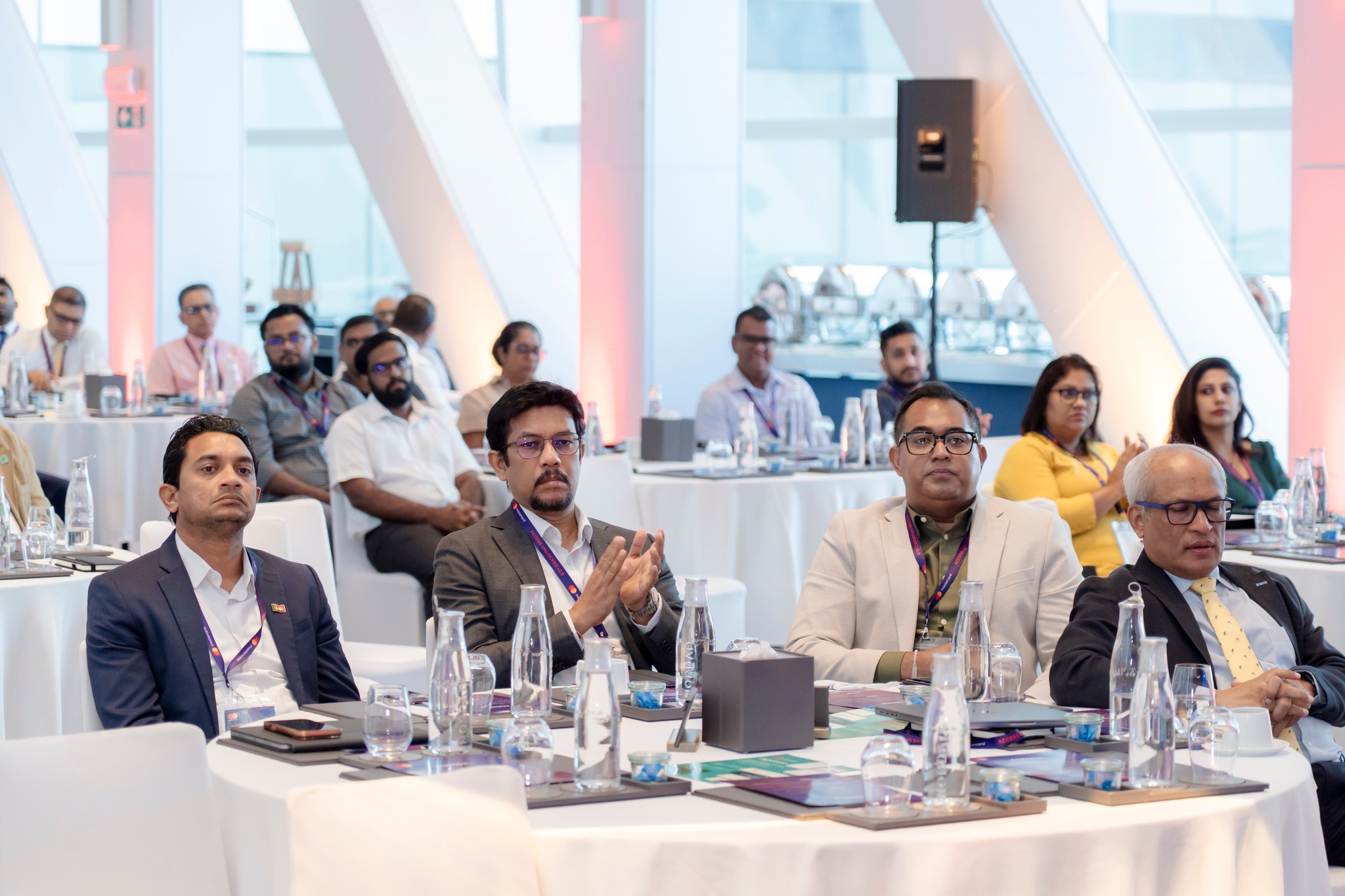
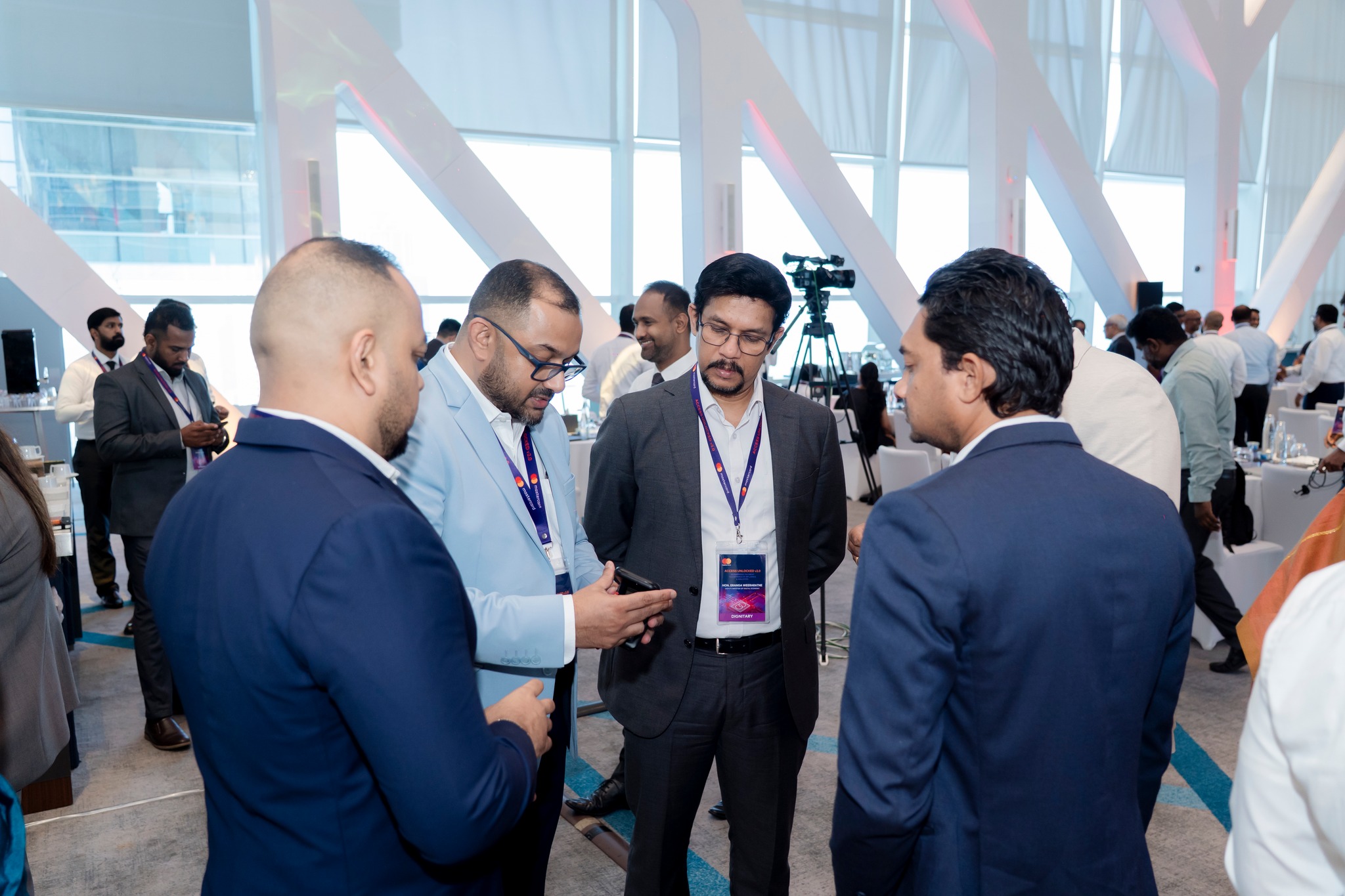
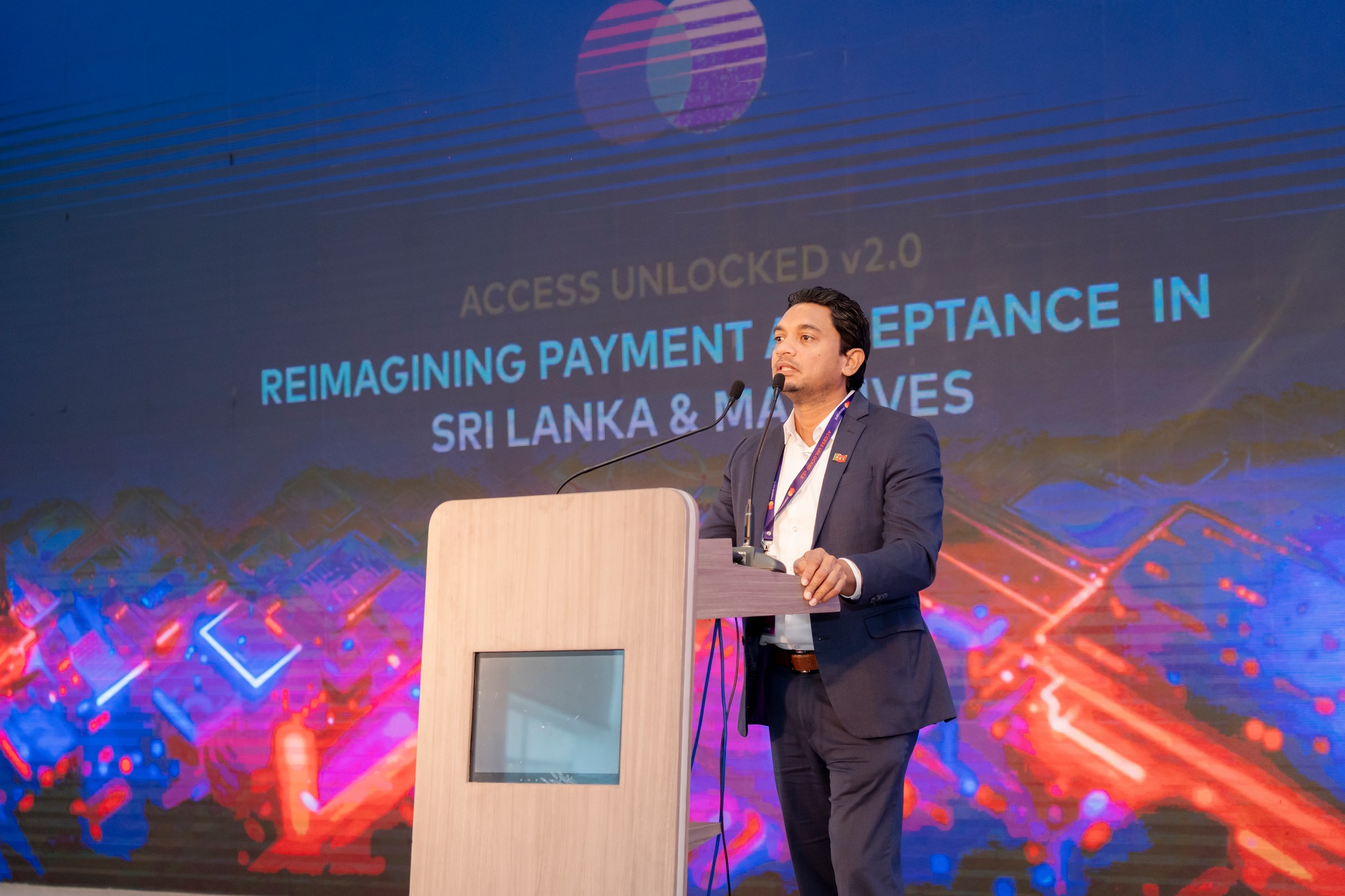
As a key milestone of this initiative, the ‘Access Unlocked V2.0’ digital payments launch program, organized by Mastercard, was held yesterday (25th) at the Cinnamon Life under the patronage of Hon. Deputy Minister of Digital Economy, Eng. Eranga Weeraratne and Hon. Deputy Minister of Industries and Entrepreneurship Development, Chathuranga Abeysinghe.

Speaking at the event, the Deputy Ministers emphasized that introducing low-cost digital payment methods for small and medium-sized enterprises (SMEs) is essential to strengthening financial inclusion.

It is also encouraging that innovative technological solutions such as Mastercard SoundBox and SoftPOS were introduced for the first time in South Asia at this forum.

Powered by Mastercard Merchant Cloud, these services enable small business owners to accept digital payments easily and at a low cost, which is expected to accelerate the overall digital transformation of the country’s economic system.

The continued collaboration between the government and the private sector is a key factor in empowering businesses and achieving sustainable economic growth in the country. The government remains committed to increasing transparency through the adoption of digital technology and integrating Sri Lanka with the global market.

Promoting innovative financial solutions aims to ensure that every entrepreneur can benefit from the digital economy.

image 01image 02image 03image 05image 04image 06